Seeking to save Gen Z from foreign influence, China has quietly banned K-Pop for a full decade
Published April 10, 2026 · ASIA
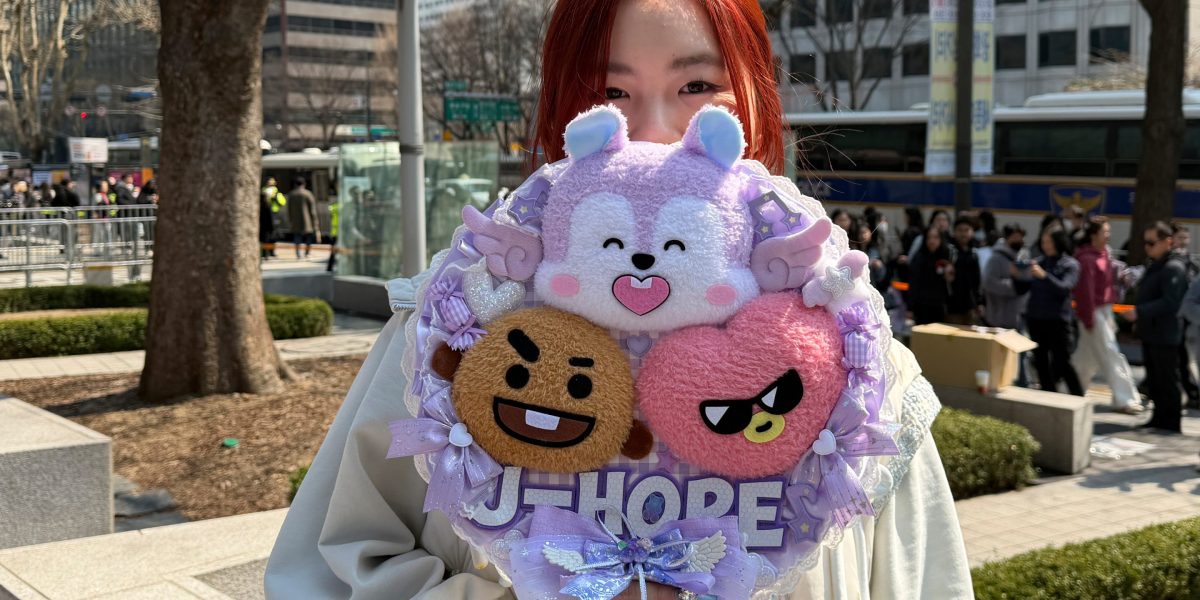
The government banned effeminate-looking men from TV in 2021, a look that Chinese pop stars likely picked up from South Korean and Japanese performers.
In a decisive move reflecting broader cultural and political priorities, China has implemented a comprehensive ban on Korean pop music, commonly known as K-Pop, extending over a full decade. This development underscores the government's efforts to regulate foreign cultural influences that it perceives as incompatible with domestic values and social norms.
The ban aligns with a wider crackdown on certain appearances and performances in Chinese media, specifically targeting effeminate male idols. This aesthetic, popularized and widely embraced in South Korean and Japanese pop culture, has been viewed with increasing scrutiny within China’s entertainment industry. The government’s restrictions, initiated in 2021, have curtailed the visibility of such styles on television and other official platforms.
Related stories
Jay Weinberg on “seeking therapy” after Slipknot firing: “It finally felt like an unlocking of a door”
 How alternative music platforms are seeking solutions to streaming: curation, compensation, cooperation (guest column)
Chinese pop stars and entertainment producers have historically drawn inspiration from East Asian neighbors, particularly South Korea and Japan, whose music and fashion have significantly shaped trends across Asia. However, the recent policy shift signals a deliberate effort to reassert national cultural identity and limit foreign cultural penetration perceived as excessive or misaligned with governmental ideals.
Details about the enforcement mechanisms and full scope of the ban remain limited, but it is clear that the policy extends beyond mere content censorship to influence the broader cultural zeitgeist. By restricting K-Pop’s reach, Chinese authorities are aiming to foster a media environment that promotes domestic artists and traditional values while reducing the appeal and impact of foreign entertainment.
The decade-long timeframe of the ban marks one of the most prolonged cultural restrictions on entertainment imports in recent years. It suggests a strategic long-term vision directed at shaping generational tastes and cultural consumption patterns within China.
This policy also reflects wider geopolitical tensions and competition between China and South Korea’s cultural industries. K-Pop’s global success and its role in soft power diplomacy have positioned it as a high-profile cultural export, making it a focal point in China's regulatory approach to foreign influences.
The move has significant implications for the music and entertainment sectors, both domestically and internationally. South Korean agencies that have invested heavily in penetrating the Chinese market face new barriers, while Chinese artists and producers may experience increased pressure to conform to prescribed aesthetics and thematic content.
While the precise impact on fan communities and the underground music scene is yet to be fully documented, the ban represents a clear assertion by the Chinese government of its cultural sovereignty. This approach highlights an ongoing trend of prioritizing ideological control in tandem with nationalistic cultural promotion.
Ultimately, China's decade-long prohibition on K-Pop illustrates the complex interplay between cultural exchange, political authority, and identity construction in contemporary media landscapes. It serves as a revealing case study of how governments may harness cultural policies to influence societal values and international cultural flows.
Full story & global impact
This article was synthesized and rewritten by MusicTop Editorial from reporting published by NewsAPI (original source unavailable). Read the publisher's report for the complete source context.
Original source link unavailable · Source: NewsAPI (original source unavailable)