Chow Yun Fat says BigBang's team is so strict, he couldn't use his own phone to take selfie with them after concert
Published November 25, 2026 · ASIA
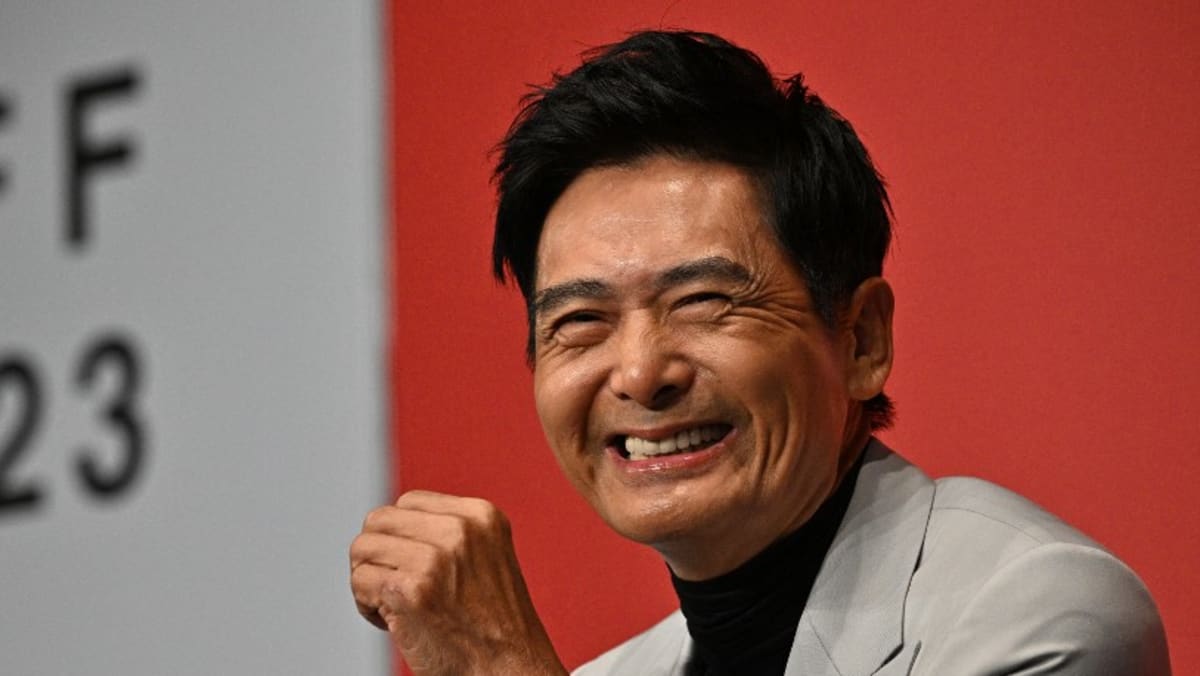
The Hong Kong film legend, who was invited to the show, was only allowed to use a phone provided by the organiser.
Chow Yun Fat, the venerable Hong Kong actor, attended BigBang's recent concert at Hong Kong's Kai Tak Stadium but was subject to strict backstage protocols that limited his personal phone use. Despite being a distinguished guest, the actor was not permitted to use his own phone to capture moments with the K-pop group, following the management’s stringent rules.
During the concert, 38-year-old G-Dragon acknowledged Chow Yun Fat by calling him a "forever young super star," highlighting the respect between the generation-defining artist and the legendary actor. Chow later confirmed his presence at the event in an interview, expressing admiration for the show and the performers.
Related stories

However, the backstage regulations prohibited Chow from holding his personal phone, requiring him to rely exclusively on a phone provided by the event organisers. The actor jokingly noted that his wife, Mrs Chow, has the photos taken on the organiser's device, adding a lighthearted note about her equal fondness for all members of BigBang, unlike himself.

This incident marks one of Chow’s rare public interactions with BigBang, following his presentation of the Artist of the Year award to G-Dragon at the MAMA Awards in November 2022. Chow's interaction with the group remains mostly unseen by the public, as no selfies or photos from that evening had surfaced by the time of reporting.
The decision to restrict phone use during the concert reflects broader trends in K-pop event management, where artist image control and privacy measures often dictate fan and media interactions. While such policies may protect the artists and their brands, they can also limit spontaneous moments between celebrities and audiences.
Chow Yun Fat’s compliance with these rules, despite his stature, underscores the discipline maintained by BigBang’s management even in the presence of high-profile guests. This control may contribute to BigBang’s consistent image and commercial success, especially in large-scale performances such as those at venues like Kai Tak Stadium, a major location in Hong Kong.

The concert itself further consolidated BigBang’s status in the Hong Kong market, with the group performing to a massive enthusiastic crowd. The management’s focus on strict backstage policies might have played a role in preserving the concert’s smooth execution and minimizing distractions.
Chow's presence also highlighted a unique cultural crossover, bridging the film and music industries in Asia. His attendance and interaction with G-Dragon could signal a growing recognition of K-pop within broader entertainment circles, potentially opening doors for future collaborations or mutual appreciation moments.
Although Chow was not able to use his own device, the arrangement with the organiser’s phone ensured that official photos were taken, which might be released through sanctioned channels. This method challenges typical expectations about celebrity access and personal media use during high-profile live events.
The ongoing enforcement of such backstage restrictions raises questions about the balance between artist security and fan engagement. While these rules protect celebrities like BigBang members from unauthorized recording and potential leaks, they also limit organic interactions that fans and fellow artists cherish.
As the music industry continues to globalize, the example set by BigBang and their management regarding backstage protocols might influence similar practices worldwide, especially in markets where K-pop is expanding rapidly. The nuances of these policies could affect touring cycles, media strategies, and fan relations.
For Chow Yun Fat, this experience adds a distinctive chapter to his storied career, illustrating his connection to contemporary pop culture despite generational differences. It also demonstrates the evolving landscape of celebrity protocols at major entertainment events, where even legendary figures must adhere to modern security and image management standards.
Full story & global impact
This article was synthesized and rewritten by MusicTop Editorial from reporting published by cnalifestyle.channelnewsasia.com. Read the publisher's report for the complete source context.
Read original source: cnalifestyle.channelnewsasia.com