Allegations against HN Bhaskar spark calls for safer spaces in classical arts
Published November 25, 2026 · ASIA
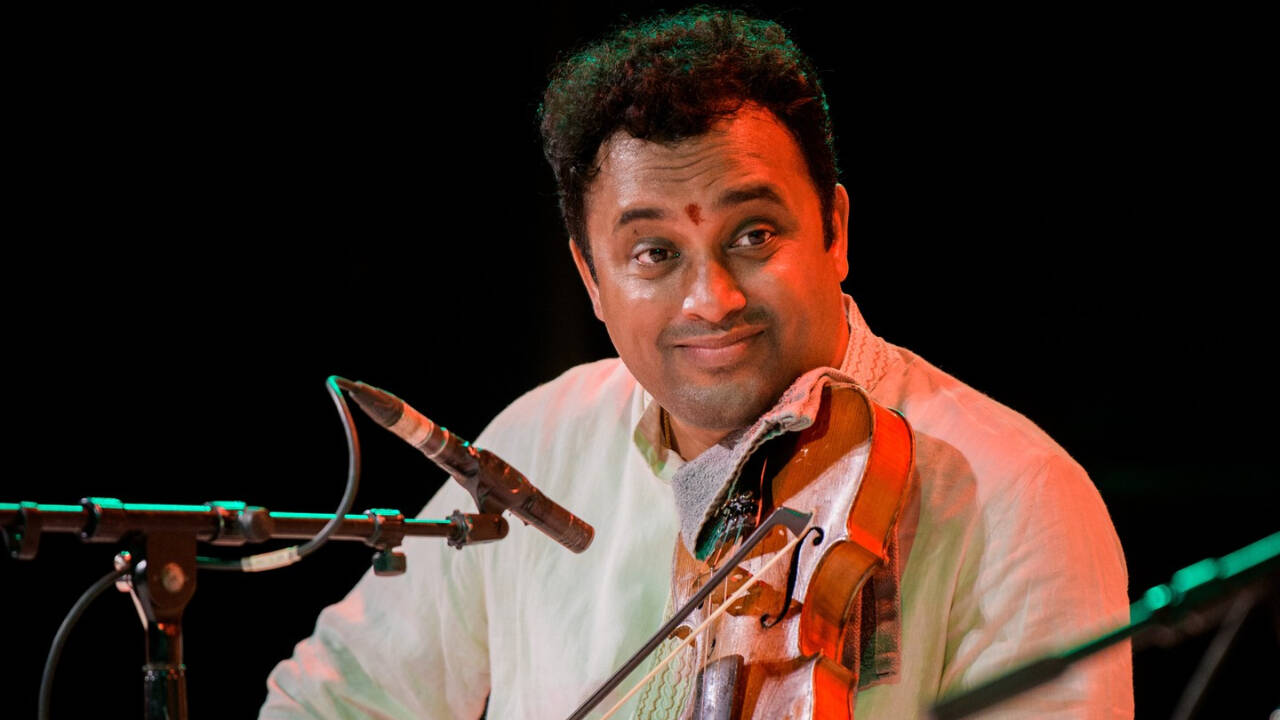
Reacting to the developments, the Global Carnatic Musicians’ Association (GCMA), a body of Carnatic musicians, issued a statement reiterating its “zero tolerance towards abuse, harassment and exploitation”.
The recent allegations directed at Carnatic vocalist HN Bhaskar have prompted a vocal response from the community, emphasizing the need for a safer environment within the classical music sphere. The controversy has intensified calls from several quarters seeking stronger protective measures for artists involved in classical traditions.
Among the most notable reactions, the Global Carnatic Musicians’ Association (GCMA), an organization representing practitioners of Carnatic music worldwide, released a statement underscoring its strict stance against any form of abuse, harassment, or exploitation in the field. This public declaration reflects an increasing urgency to address misconduct allegations seriously and foster a culture of respect.
Related stories

The situation surrounding HN Bhaskar remains subject to ongoing scrutiny. Specific details about the accusations, including their nature and scope, have not been fully disclosed in the public domain, leaving critical aspects unresolved. This ambiguity maintains a level of uncertainty regarding the broader implications for Bhaskar’s career and reputation.
Carnatic music, a genre deeply rooted in tradition and often characterized by close mentor-student relationships, has historically faced challenges in addressing power imbalances. The current developments highlight persistent concerns about safeguarding artists, especially younger and emerging performers, within the classical arts ecosystem.
The GCMA's unequivocal position reiterates a commitment shared by other cultural bodies to cultivate respectful professional spaces. Their statement signals a shift toward increased transparency and accountability, which could influence future governance and ethical standards in Carnatic music circles.
This controversy arrives at a moment when the classical music community is actively engaging with questions about consent and professional conduct. It reflects a broader societal shift that demands institutions proactively implement protective frameworks against misconduct.
From an industry standpoint, such allegations can disrupt a musician’s performance schedule and impact their engagements at festivals, sabhas, and concert circuits that traditionally celebrate classical arts. For Bhaskar, although unconfirmed, the proceedings may affect upcoming tours and collaborations, pending further investigation or resolution.
The situation also spotlights the potential economic consequences for the genre. Carnatic music relies heavily on community support and patronage; controversies may result in reassessment by event organizers and sponsors, influencing funding and audience participation.
Moreover, unresolved allegations create tensions within the fan base, as supporters and critics navigate conflicting narratives. This dynamic complicates the artist-fan relationship, often resulting in polarized perceptions that challenge the communal harmony treasured in classical music settings.
The GCMA’s response may serve as a precedent for other regional and international arts bodies to adopt similar rigorous policies. Establishing clear guidelines and enforcement mechanisms could be integral to sustaining the genre’s integrity and encouraging victims to come forward without fear.
Looking ahead, how the classical music community addresses these concerns could reshape professional norms. Institutional reforms might include mandatory workplace conduct training, independent grievance redressal mechanisms, and greater involvement of artists in policy development.
Despite the gravity of the current accusations, several key questions remain open: the veracity of claims, the outcomes of any formal inquiries, and the potential for reconciliation or disciplinary action against Bhaskar have yet to be determined.
As the investigation progresses, stakeholders across the classical music domain—artists, institutions, audiences—are likely to engage in broader conversations about safeguarding creativity while upholding ethical standards. The unfolding developments underscore a pivotal moment for Carnatic music, balancing heritage with contemporary accountability.
Full story & global impact
This article was synthesized and rewritten by MusicTop Editorial from reporting published by timesofindia.indiatimes.com. Read the publisher's report for the complete source context.
Read original source: timesofindia.indiatimes.com