Leipzig Bach festival: Encouraging dialog
Published June 16, 2026 · CLASSICAL
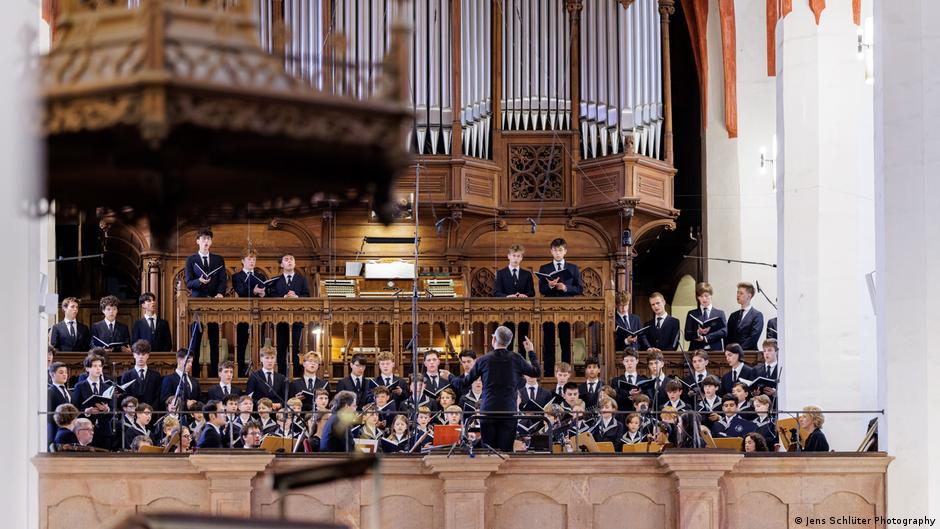
Talking, debating and listening are skills we can all learn, particularly in the light of current global conflicts. The Leipzig Bachfest shows how Johann Sebastian Bach's music can serve as a model here. Can the music of Johann Sebastian Bach encourage dialog…
The Leipzig Bach Festival continues to draw attention not only for its celebration of one of history’s most influential composers but also for its commitment to fostering meaningful dialogue through music. In a period marked by geopolitical unrest and societal divisions, the festival presents Johann Sebastian Bach’s works as a catalyst for communication, reflection, and understanding.
Set in Leipzig, the city where Bach spent a significant portion of his career, the festival offers more than just performances of the composer’s masterpieces. It serves as a platform encouraging audiences to engage in conversations that transcend the concert hall. By foregrounding Bach’s intricate compositions, the event suggests that the structure and interplay of his music can model effective listening and exchange — skills crucial in resolving contemporary conflicts.
Related stories

The programming of the festival integrates this vision, inviting participants to move beyond passive reception. Through curated discussions, panel debates, and interactive sessions, attendees explore how Bach’s music exemplifies dialogue both in its construction and emotional depth. This approach positions the festival as a cultural space where artistic expression and social discourse intersect.
Leipzig’s historical association with Bach provides a symbolic backdrop. The festival’s emphasis on dialogue resonates with the city’s long-standing role as a hub for intellectual and artistic exchange. Against this heritage, the event underscores how classical music traditions remain relevant and can contribute to addressing present-day challenges.
While details on specific artists or programs remain limited, the festival’s overarching message is clear: in a world rife with discord, the principles embedded in Bach’s music—balance, counterpoint, and harmony—offer lessons in listening attentively and responding thoughtfully. These qualities are essential to productive communication in any context.
The initiative taps into a broader cultural movement that views music not merely as entertainment but as a tool for social cohesion and education. By spotlighting Bach’s compositions, the festival aligns with efforts to use classical music as a means to inspire empathy and mutual respect among diverse audiences.
This thematic focus distinguishes the Leipzig Bach Festival from other classical music events by explicitly linking artistic performance with civic engagement. The festival thereby champions the idea that music’s value extends beyond aesthetic enjoyment to encompass its potential to encourage dialogue and understanding in complex times.
As global tensions persist, the festival’s approach offers a timely reminder of the enduring power of music to bridge divides. It invites participants and observers alike to consider how listening carefully—to music and to each other—can lay the groundwork for more constructive conversations in society.
Though the full scope of the festival’s activities is not fully disclosed, its conceptual framework illustrates a commitment to exploring the social dimensions of Bach’s legacy. Through this lens, the Leipzig Bach Festival advances a cultural narrative that embraces music as a force for connection and positive change.
Full story & global impact
This article was synthesized and rewritten by MusicTop Editorial from reporting published by NewsAPI (original source unavailable). Read the publisher's report for the complete source context.
Original source link unavailable · Source: NewsAPI (original source unavailable)