One detail in a 248-year-old notebook changed everything for music historians
Published June 26, 2026 · CLASSICAL
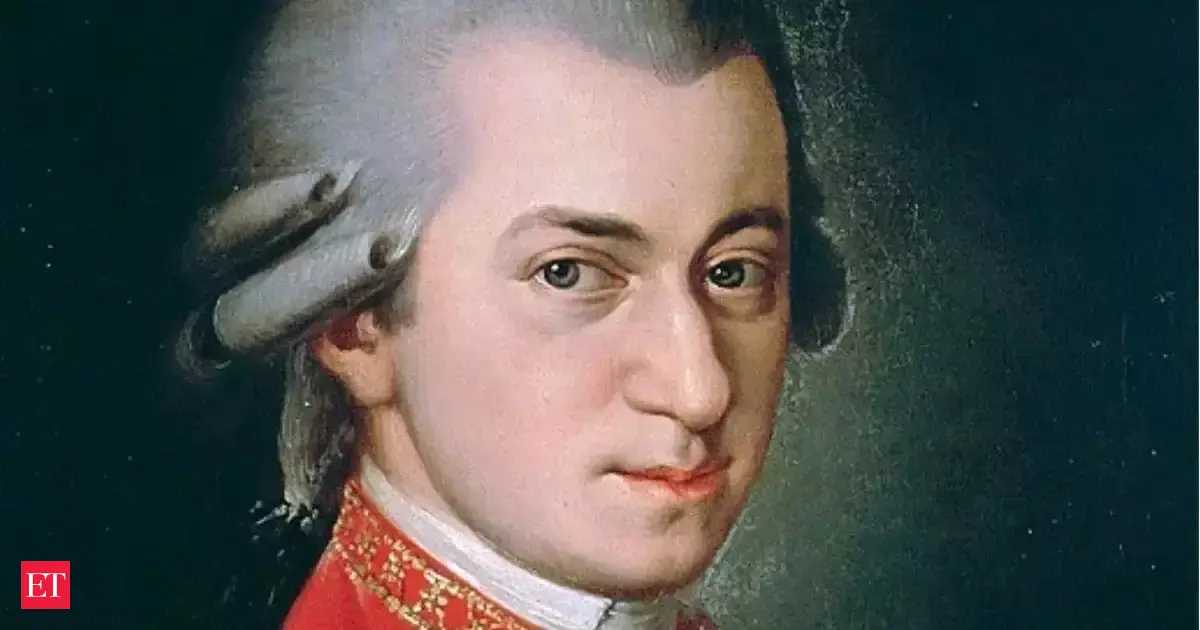
A forgotten Mozart manuscript, containing seven short pieces for flute and harp, has been discovered in a 248-year-old notebook. Curators recognized Mozart's distinctive handwriting, leading musicologists to confirm the find. These collaborative works, crea…
A remarkable discovery has recently emerged from the archives of classical music history, offering fresh insight into Wolfgang Amadeus Mozart’s compositional repertoire. Music historians and curators have identified a manuscript dated back nearly two and a half centuries, containing seven short pieces composed for flute and harp. This manuscript was found tucked within an aged notebook whose provenance traces back 248 years.
The discovery came about when curators, while examining the notebook, noticed handwriting that matched Mozart’s distinctive style. Upon further scrutiny by musicologists, the manuscript’s authenticity was substantiated, confirming its status as a genuine work of the celebrated Austrian composer. This revelation not only expands Mozart’s known body of work but also adds depth to our understanding of his collaborative and chamber music pieces.
Related stories

The compositions, characterized by their brevity and delicate instrumentation, illustrate Mozart’s versatility beyond his more widely recognized symphonies and operas. Flute and harp, instruments often associated with intimacy and refinement, receive special attention here, showcasing Mozart’s ability to write nuanced, elegant music for less conventional pairings.
While the notebook’s full history remains somewhat obscure, its discovery in a European collection provides context for the musical environment of the late 18th century. This period was marked by flourishing patronage and experimentation within the classical tradition, and the manuscript’s existence underscores the importance of chamber music in Mozart’s oeuvre during that era.
The finding invites a re-examination of Mozart’s contributions to the repertoire for wind and string instruments, especially considering the scarcity of original works for flute and harp from this time. Scholars anticipate that these pieces will soon be analyzed and performed, offering audiences and performers new material that enriches the classical canon.
Despite the excitement surrounding the find, many specifics about the circumstances under which these pieces were composed or the intended performers remain unknown. Details concerning the manuscript’s original ownership, distribution, and preservation through the centuries have yet to be fully uncovered.
This discovery exemplifies how archival research and careful preservation continue to yield surprises even centuries after a composer’s death. It also highlights the enduring relevance of Mozart’s music and the ongoing efforts to broaden the available works attributed to him.
As musicologists delve deeper into the manuscript, further insights into Mozart’s creative process and his engagement with chamber music partnerships may emerge. For now, the seven short flute and harp compositions stand as a testament to Mozart’s enduring genius and the rich potential of historical musicology to reshape our understanding of classical music heritage.
Full story & global impact
This article was synthesized and rewritten by MusicTop Editorial from reporting published by NewsAPI (original source unavailable). Read the publisher's report for the complete source context.
Original source link unavailable · Source: NewsAPI (original source unavailable)