The MSO and Lattouf rulings are seemingly at odds. Where does this leave free speech at work?
Published July 14, 2026 · CLASSICAL
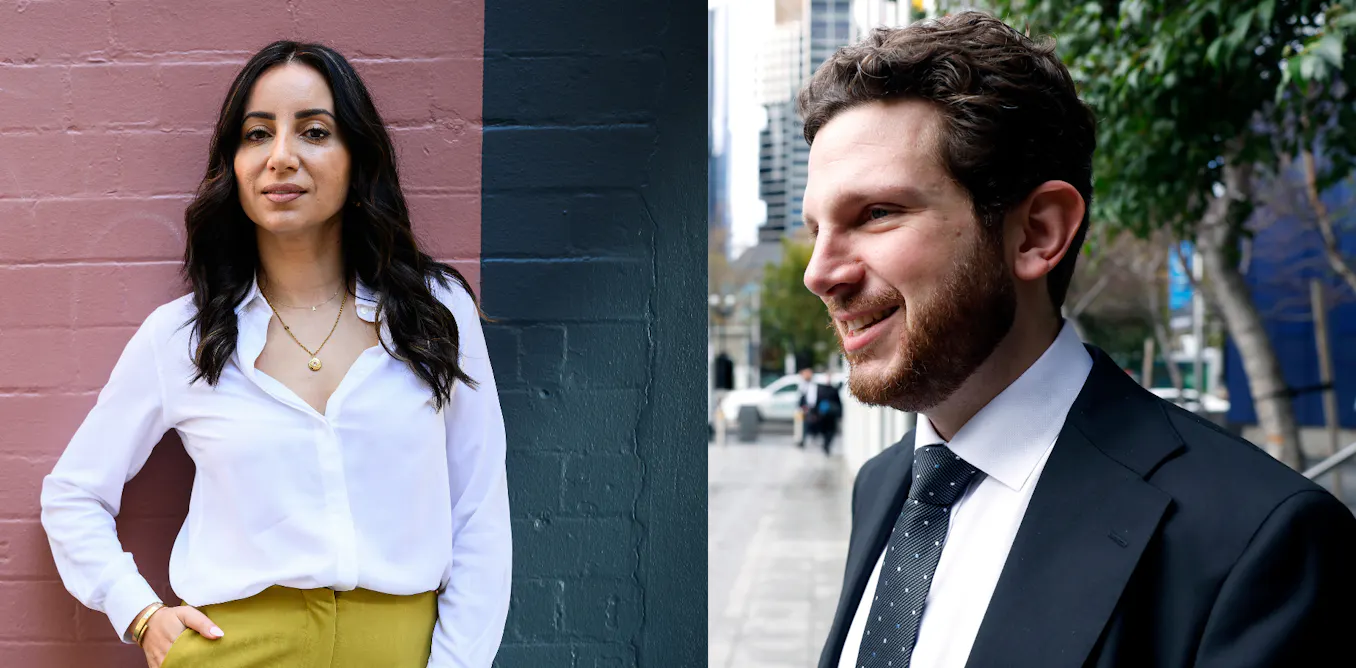
The court has found the cancellation of Jason Gillham’s concert by the Melbourne Symphony Orchestra was not prohibited by Australian workplace laws.
In a recent Federal Court ruling, the Melbourne Symphony Orchestra’s (MSO) decision to cancel a concert featuring pianist Jayson Gillham was upheld, igniting renewed debate over free speech boundaries within Australia’s artistic community. The judgment centered on workplace law, rather than broader principles of expression or artistic freedom.
The controversy originated in August 2024 when Gillham, performing in a recital with the MSO in Melbourne, made statements from the stage accusing Israel of committing war crimes targeting journalists in Gaza. These remarks prompted the MSO to cancel a subsequent concert scheduled just four days later, citing safety concerns and commercial reputation.
Related stories



Following the cancellation, the MSO communicated with ticket holders via email, apologizing for the disruption. They also proposed reinstating the performance on the condition that Gillham refrain from making any political statements during the event, a stipulation Gillham declined. This refusal led to the final decision to cancel the concert.
Gillham responded by pursuing legal action, claiming that the MSO’s move constituted prohibited adverse action based on his political views under Victorian workplace protections. However, the court dismissed his claim, emphasizing that the key issue was not the content or truthfulness of his political statements but rather the application of technical workplace legislation.
A critical distinction in the case was Gillham’s status as an independent contractor, not an employee, which complicated the legal framework. Moreover, the court determined that the Victorian Equal Opportunity Act, cited by Gillham to assert his workplace rights, did not qualify as a workplace law regulating employer-contractor relationships in this context.
The ruling also reflected professional norms within classical music performance, where it is customary for artists to avoid unsanctioned political commentary during concerts. This tacit expectation was interpreted by the court as an implied contractual term, reinforcing the MSO’s authority to manage on-stage content to protect its commercial interests.
This legal outcome contrasts with a previous landmark 2025 case involving journalist Antoinette Lattouf and the Australian Broadcasting Corporation, where the court found unlawful dismissal linked to political expression. The divergence highlights ongoing uncertainty in Australian law about the extent to which political opinions expressed by artists or journalists in their professional roles are protected.
For musicians and performers working as contractors, the Gillham case signals a potential narrowing of protections for political speech in performance settings, emphasizing the commercial prerogatives of arts organizations. It remains unclear which topics might be deemed sensitive enough to warrant restrictions, leaving ambiguity over statements related to Indigenous recognition, environmental issues, or social equity.
Further complexity arises for artists employed rather than contracted by organizations, as the ruling did not explicitly address this distinction. Consequently, the broader ramifications for freedom of expression within Australia’s creative industries await future judicial clarification.
Ultimately, the court’s decision underscores a delicate balance between artists’ rights to political expression and the commercial and reputational concerns of cultural institutions. This unresolved tension may influence how openly musicians and performers engage with controversial issues in public performances, shaping the dynamics of artistic freedom in the country’s cultural landscape.
Full story & global impact
This article was synthesized and rewritten by MusicTop Editorial from reporting published by theconversation.com. Read the publisher's report for the complete source context.
Read original source: theconversation.com