Billy Joel says aging musicians who keep making records past their prime 'dilute their legacy'
Published July 15, 2026 · CLASSICAL
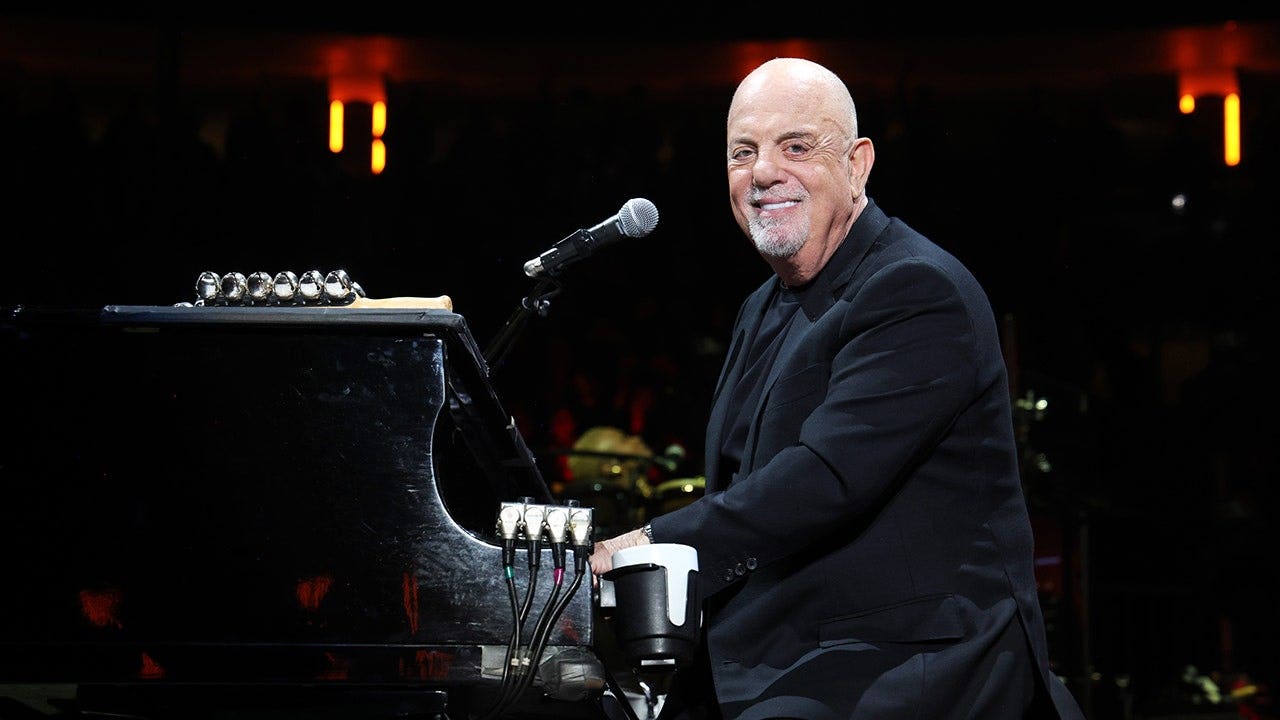
Billy Joel revealed why he stopped writing music after his 1993 album "River of Dreams," saying he didn't want to "dilute" his legacy like others.
Billy Joel, the iconic singer-songwriter known for timeless hits such as "Piano Man" and "Uptown Girl," has offered insight into his decision to cease writing new songs following his 1993 album "River of Dreams." In a recent conversation that surfaced publicly, Joel revealed that his choice was motivated by a desire to protect the integrity of his musical legacy rather than continuing to produce music beyond his prime.
The five-time Grammy Award winner reflected on the extensive creative effort he invested over his career, noting that twelve albums were a satisfying total for him—drawing a parallel with the Beatles’ discography, which he viewed as a natural endpoint for a major artist. Rather than risk diminishing the impact of his earlier work by releasing material that might not meet his own standards, Joel opted to step away from the songwriting process altogether.
Related stories
Billy Joel Shares Health Update as He Prepares to Auction Off His Beloved Motorcycle Collection: ‘I’m Not Allowed to Drive’
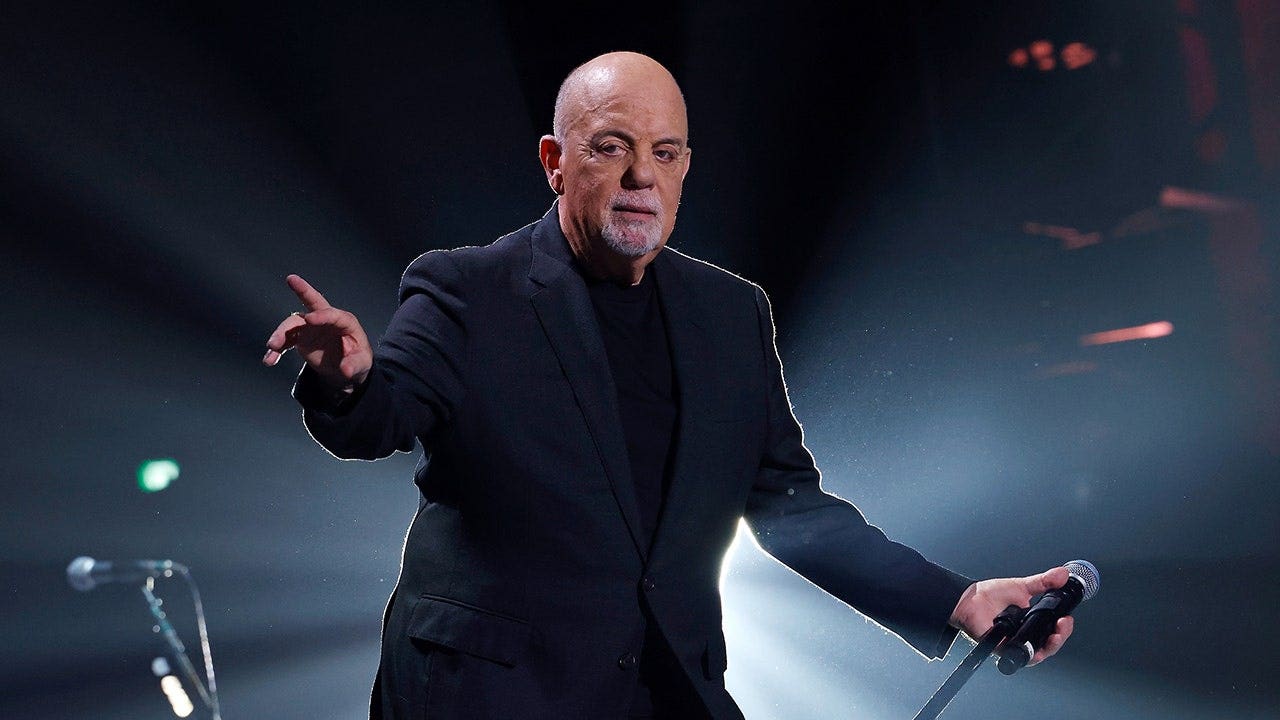 Billy Joel says he can't drive, unsure about touring future after brain disorder diagnosis
Joel explained that after completing "River of Dreams," he recognized that his enthusiasm and motivation for crafting new songs had waned. At the time, his personal life was also evolving; he was married to Christie Brinkley and raising their young daughter. These factors contributed to his decision to shift focus from songwriting to other pursuits.
He acknowledged the challenge inherent in making such a choice, especially for an artist accustomed to continuous creation. Joel expressed respect for those who can recognize when to stop, emphasizing the importance of preserving a reputation for quality rather than risking a gradual decline in artistic output.
Although Joel has stopped releasing new pop or rock albums, he did pursue an album of classical piano compositions, marking a transition to a different musical path that aligned with his evolving interests and skills. This shift highlights Joel’s commitment to artistic authenticity and his unwillingness to produce work purely based on past fame or expectations.
Joel’s comments also touched on a broader phenomenon in the music industry, where some veteran artists continue to release new material despite arguably diminishing creative returns. He suggested that such actions can sometimes dilute the impact of an otherwise stellar career, though he refrained from naming specific examples.
The conversation sheds light on the delicate balance artists face between creative longevity and maintaining the high standards that initially earned them acclaim. Joel’s decision stands as a notable example of an artist consciously choosing to conclude one chapter on a high note rather than extending it into diminishing returns.
While details remain limited about any future songwriting endeavors, Joel’s reflections underline a philosophy that prioritizes quality and legacy over quantity. This perspective resonates strongly in an era where many artists grapple with the pressures of continuous content creation and evolving audience expectations.
Billy Joel remains active as a performer, sharing his vast catalog with fans worldwide. However, his songwriting phase, as he characterizes it, completed over two decades ago, marking a definitive boundary in his prolific career. His approach offers a compelling case study on how artists can manage their creative lifecycle with intention and dignity.
Full story & global impact
This article was synthesized and rewritten by MusicTop Editorial from reporting published by foxnews.com. Read the publisher's report for the complete source context.
Read original source: foxnews.com