Why Are Classical Musicians So Afraid To Take Time Off?
Published July 23, 2026 · CLASSICAL
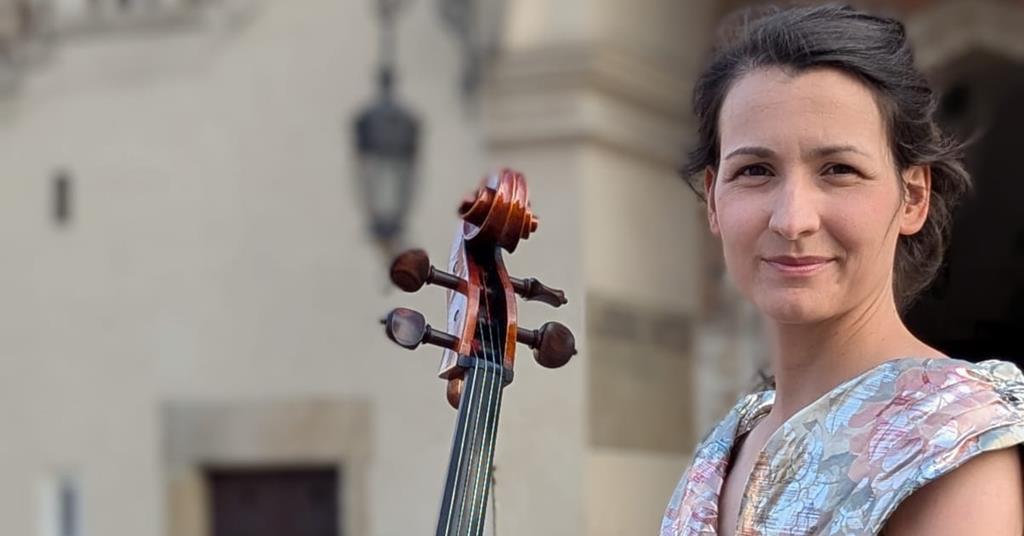
Different careers, different instruments and different stages of life, yet the same quiet anxiety. Perhaps the question is not whether musicians need recovery. Perhaps the real question is why so many of us are afraid of it. – The Strad
In the classical music world, taking extended breaks from practice or performance is frequently viewed as a risk rather than a necessity. This pervasive apprehension toward rest and recovery has been illuminated through recent insights shared by thestrad.com, revealing a widespread anxiety among musicians that stepping away from their instrument threatens their progress and professional standing.
The origins of this mindset can be traced back to early musical training, where daily practice is rightly championed as essential for building technical proficiency and discipline. For young learners, consistent contact with their instruments promotes the development of coordination and musical understanding that forms the foundation of their craft. However, many musicians carry these rigid routines into adulthood without adapting to the evolving demands of their careers and lives.
Related stories

Seasoned professionals, whether soloists, orchestral players, or educators, often maintain practice habits developed during their formative years, not necessarily because these methods remain optimal but because familiarity offers psychological comfort. This continuation occurs despite the increased complexities of adult life, such as family responsibilities, frequent travel, and heightened performance pressures, which call for more nuanced approaches to maintenance and improvement.
A notable factor in this reluctance is the fear that any reduction in practice might lead to a loss of technical ability or artistic edge. This anxiety is echoed at every career stage—from conservatory students to internationally recognized soloists. The assumption persists that progress is linear and uninterrupted, making rest appear as a potential setback rather than an investment in long-term excellence.
Contrasting this attitude with elite sports, where recovery is an integral and openly accepted component of performance cycles, highlights a stark difference. Athletes routinely acknowledge the necessity of recuperation, understanding that physical and mental renewal underpin peak performance. Interviews with competitors at events like the Australian Open routinely conclude with an emphasis on rest, framed as part of their professional regimen.
In classical music, however, performers rarely voice the need for recovery immediately following demanding concerts. Instead, they often shift focus quickly to upcoming rehearsals, auditions, or practice goals. This tendency reflects an underappreciation of the physical and mental toll that performing exacts. Although the movements involved may seem minimal to observers, physiological data from concert pianists wearing heart-rate monitors reveal exertion levels comparable to vigorous exercise.
The misconception that musical performance lacks physical intensity contributes to a diminished recognition of the body's need for rest. Moreover, mental fatigue accumulates through the sustained concentration, emotional regulation, and rapid decision-making required throughout rehearsals and live appearances. These cognitive demands are invisible to audiences but profoundly taxing for musicians.
Acknowledging this invisible fatigue is a critical step toward reshaping attitudes about recovery. While physical discomfort such as muscle soreness is easily noticed, the gradual buildup of mental exhaustion often goes unrecognized and unaddressed. Unlike athletes who anticipate feeling depleted post-competition, many musicians expect to resume practice promptly, perpetuating cycles of stress without adequate recuperation.
Experts suggest that redefining performance as a physically and mentally demanding endeavor could help normalize rest as an essential component of artistic development. Embracing recovery not as a weakness but as a strategic element aligns with broader principles seen in training disciplines beyond music. This shift may ultimately enable musicians to sustain higher levels of performance and well-being over the course of their careers.
Further exploration of this topic promises to offer practical strategies for integrating rest into musicians’ routines, potentially transforming how the classical music community understands and approaches the balance between exertion and recovery.
Full story & global impact
This article was synthesized and rewritten by MusicTop Editorial from reporting published by thestrad.com. Read the publisher's report for the complete source context.
Read original source: thestrad.com