10 Best Movie Soundtracks No One Ever Talks About
Published July 25, 2026 · CLASSICAL
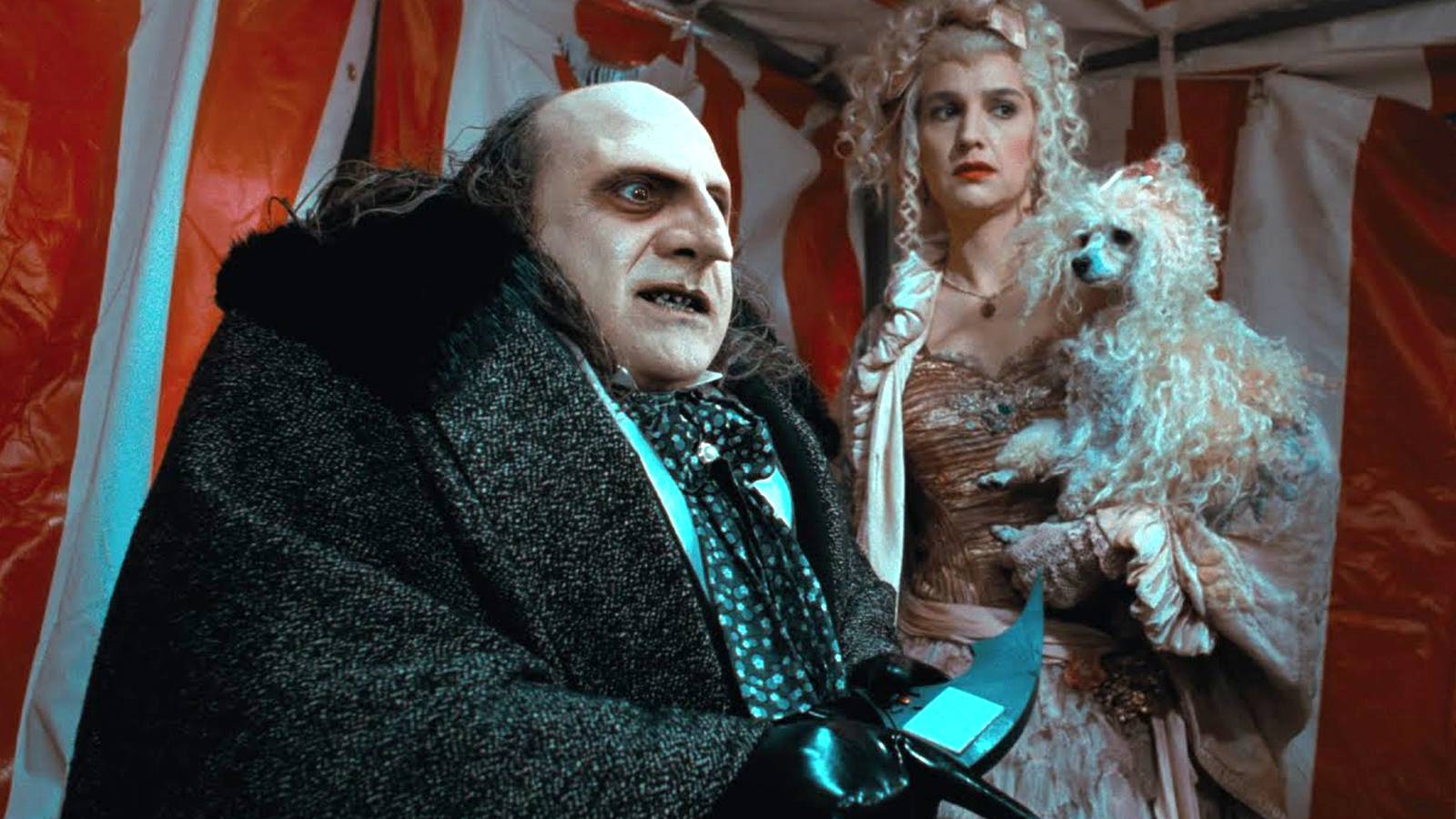
Everyone knows Star Wars and Jaws, but these overlooked film scores quietly elevate their movies and deserve a place among cinema's best.
While some film scores like those from Star Wars and The Lord of the Rings consistently dominate discussions on cinematic music, numerous exceptional compositions remain largely unrecognized. These soundtracks often enhance their films subtly or belong to movies that didn’t achieve widespread popularity, resulting in their music being taken for granted or overlooked.
Danny Elfman’s work on Batman Returns exemplifies a deeply layered score that surpasses the impact of the original Batman soundtrack. Rather than reiterating familiar motifs, Elfman expands thematic material to intricately connect the film’s main characters. The score’s treatment of Catwoman interweaves elegance and menace, complementing Michelle Pfeiffer’s portrayal with a tragic musical narrative. Similarly, the Penguin’s theme merges whimsical circus elements with poignant undertones, contributing to an overall gothic yet emotionally nuanced atmosphere.
Related stories

In the realm of animation, the Chicken Run soundtrack by Harry Gregson-Williams and John Powell blends grandeur with humor. By framing the chickens’ prison break with orchestral motifs reminiscent of classic war films, the music elevates the narrative from mere family entertainment to an urgent, epic adventure. The inclusion of playful elements like kazoos adds a layer of lightheartedness without diminishing the score’s earnestness.
Carter Burwell’s score for Gods and Monsters operates with a delicate subtlety, underscoring the film’s exploration of filmmaker James Whale’s later years. The music avoids overt sentimentality, instead employing leitmotifs that evoke Hollywood’s golden era alongside Whale’s personal loneliness and regrets. This understated approach enhances the emotional depth of Ian McKellen’s performance and rewards attentive viewers with its nuanced resonance.
Reinhold Heil’s soundtrack for One Hour Photo creates an atmosphere of simmering unease that mirrors the protagonist’s psychological fragility. The music eschews typical horror cues, opting for a restrained, clinical tone that echoes the sterile settings central to the film. As the narrative progresses, the score subtly intensifies, reflecting the character’s growing obsession and maintaining a persistent tension beneath the surface.
Bobby Krlic’s composition for Midsommar skillfully balances beauty with dread, using choral and folk-inspired sounds to craft an unsettling yet captivating soundscape. Unlike conventional horror scores that rely on sudden scares, this soundtrack gradually builds discomfort through textural layers and ceremonious arrangements. The music’s duality enhances the film’s exploration of ritual and psychological transformation.
Mica Levi’s work on Under the Skin stands out for its alien quality, employing distorted strings and irregular rhythms to place the audience in an outsider’s perspective. This score diverges from traditional science fiction music by focusing on intimacy and unpredictability rather than grandeur. Its haunting melodies persist in evoking the film’s eerie atmosphere and complex emotional undertones.
Wendy Carlos’s pioneering electronic score for the original Tron merges synthesized sounds with orchestral elements, defining an early cinematic interpretation of digital worlds. At the time of its release, this fusion helped establish a believable and futuristic audio environment that many subsequent films have sought to emulate. Despite the prominence of Daft Punk’s Tron: Legacy score, Carlos’s original work remains a significant milestone in film music.
John Williams’s Home Alone soundtrack is often overshadowed by his more celebrated franchises, yet it plays a crucial role in shaping the film’s festive magic and adventurous spirit. By combining Christmas themes with energetic motifs for both heroic and villainous characters, the music transforms slapstick sequences into grand, memorable moments that contribute to the movie’s enduring appeal.
Ennio Morricone’s composition for The Thing exemplifies restraint and psychological tension in horror scoring. The use of repetitive, heartbeat-like motifs quietly builds a pervasive sense of dread, reflecting the film’s themes of paranoia and mistrust. This subtle approach distinguishes the score as a masterful example of how minimalism can intensify suspense.
Finally, Jerry Goldsmith’s soundtrack for The Omen integrates Latin chants and religious motifs to craft a soundtrack that conveys an ominous and apocalyptic atmosphere. The Academy Award-winning piece "Ave Satani" has become emblematic of horror music, reinforcing the film’s portrayal of sinister forces at work beneath a veneer of normality. The score’s ambition elevates the narrative from simple suspense to a grander, more existential terror.
Together, these soundtracks demonstrate that some of the most impactful film music quietly supports and enriches cinema beyond the spotlight of mainstream recognition. Their contributions reveal the power of composition to shape narrative tone and emotional engagement, warranting broader appreciation within film music discourse.
Full story & global impact
This article was synthesized and rewritten by MusicTop Editorial from reporting published by screenrant.com. Read the publisher's report for the complete source context.
Read original source: screenrant.com