10 beautiful baby names inspired by timeless musical instruments
Published July 24, 2026 · CLASSICAL
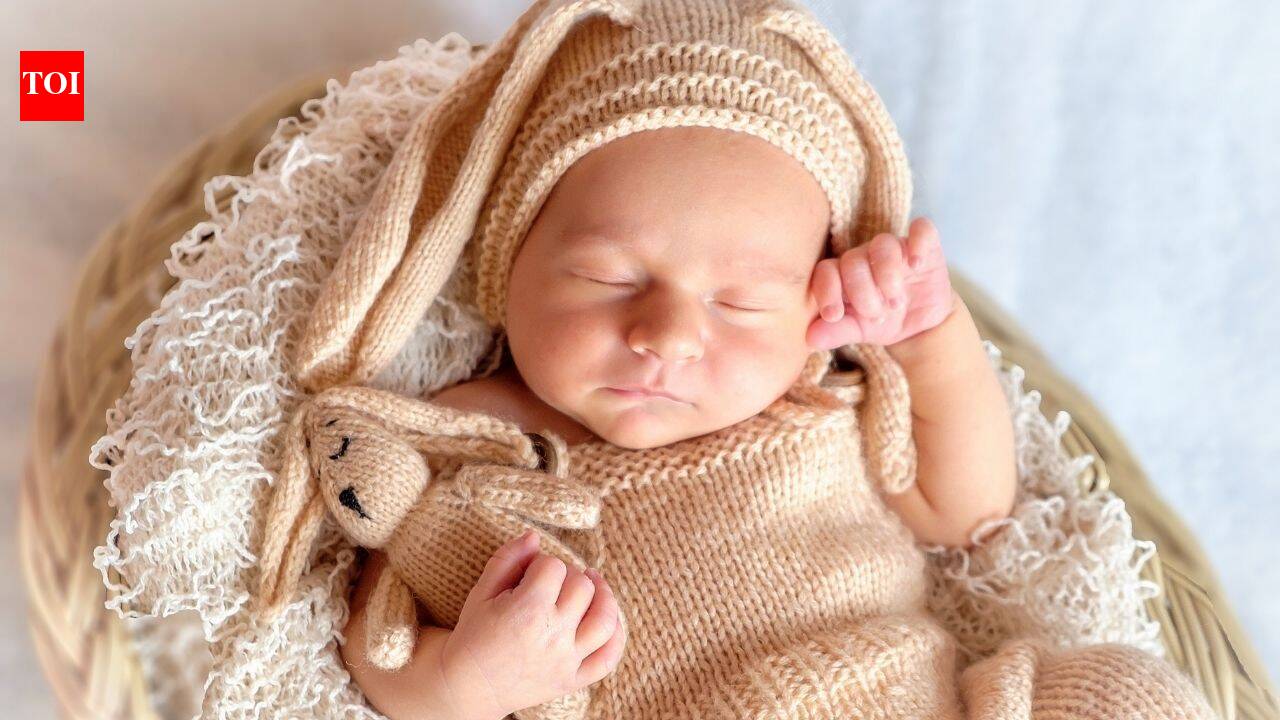
Music has the power to inspire, comfort and bring people together, making it a beautiful source of inspiration for baby names. From ancient string instruments to graceful wind instruments, these instrument-inspired names reflect rich cultural traditions while…
The enduring influence of music extends beyond its aural appeal, inspiring parents to choose baby names that resonate with artistic heritage and cultural significance. A growing trend highlights names derived from classic musical instruments, which symbolize creativity, harmony, and tradition.
This development is rooted in the desire to link new generations to the rich history of music, drawing from instruments that have shaped both cultural identities and emotional expression across centuries. These names serve as a symbolic bridge connecting children with artistic values and ancestral legacies.
Related stories

Among the notable examples are names inspired by Indian classical music, including Veena and Sarangi. Veena, associated with the revered string instrument linked to Goddess Saraswati, conveys wisdom and artistic excellence. Sarangi, a bowed string instrument celebrated for its soulful tones, reflects deep emotion and tradition within Indian music.
Beyond Indian instruments, names influenced by other global musical tools also hold appeal. Viola, with Latin roots and ties to a string instrument larger than the violin, merges floral symbolism with musical elegance. Lyra, drawn from the ancient Greek lyre and also a constellation, carries connotations of poetic beauty and creativity.
More unconventional choices include Santoor and Reed. Santoor, a hammered string instrument prevalent in Indian classical music, offers a unique but less common naming option representing melody and refinement. Reed, referencing the essential part of woodwind instruments like clarinet and saxophone, symbolizes resilience and simplicity, connecting nature and music.
Other names such as Celesta and Piper bring different aspects of musical heritage into focus. Celesta, derived from a keyboard instrument known for its bell-like tones, embodies a heavenly, delicate quality. Piper, meaning one who plays the pipe, emphasizes rhythm and artistic expression while holding popularity as a modern given name.
The Banjo-inspired name adds a playful, energetic dimension, although its usage remains rare. Meanwhile, Shehnai, a traditional Indian wind instrument often associated with joyous occasions, evokes prosperity and auspicious beginnings, highlighting the cultural relevance of music in ritual and ceremony.
This trend reflects broader cultural movements that celebrate diversity and the arts by embedding them into personal identity from birth. Instrument-inspired names are not merely aesthetic choices but carry layered meanings that endure, offering children a lifelong association with creativity and heritage.
The selection of such names may influence how future generations perceive and value musical traditions, potentially encouraging deeper engagement with the arts. However, the extent to which these names gain mainstream acceptance or remain niche remains to be seen.
From an industry perspective, this intertwining of music and naming conventions underscores music's pervasive role in society beyond entertainment. It highlights how musical culture permeates everyday life and personal identity, potentially enriching the narrative around musical heritage in education and media.
Looking forward, the continued popularity of instrument-inspired names could stimulate interest in traditional music forms and instruments themselves, possibly influencing cultural preservation efforts and music education. Further research could explore how such naming trends correlate with cultural pride and artistic participation.
Overall, names drawn from timeless musical instruments create a meaningful legacy that connects families to the universal language of music, reinforcing its significance as a source of inspiration and identity across generations.
Full story & global impact
This article was synthesized and rewritten by MusicTop Editorial from reporting published by timesofindia.indiatimes.com. Read the publisher's report for the complete source context.
Read original source: timesofindia.indiatimes.com