4 Disney Movies Way Too Dark For Kids, Including a Film They Waited Years to Release on VHS
Published July 31, 2026 · CLASSICAL
Over time, Disney established its brand in cinema and created an image that, to this day, the entire world associates with fairy tales, musicals, and stories with a happy ending. However, its history hasn’t always been filled with lighthearted and cheerful th…
Disney has long been synonymous with enchanting fairy tales, memorable musicals, and uplifting narratives that cater to families and children. Yet, beneath this ubiquitous image lies a lesser-known facet of the studio’s history: a selection of animated films that delve into themes far darker and more complex than the typical Disney fare.
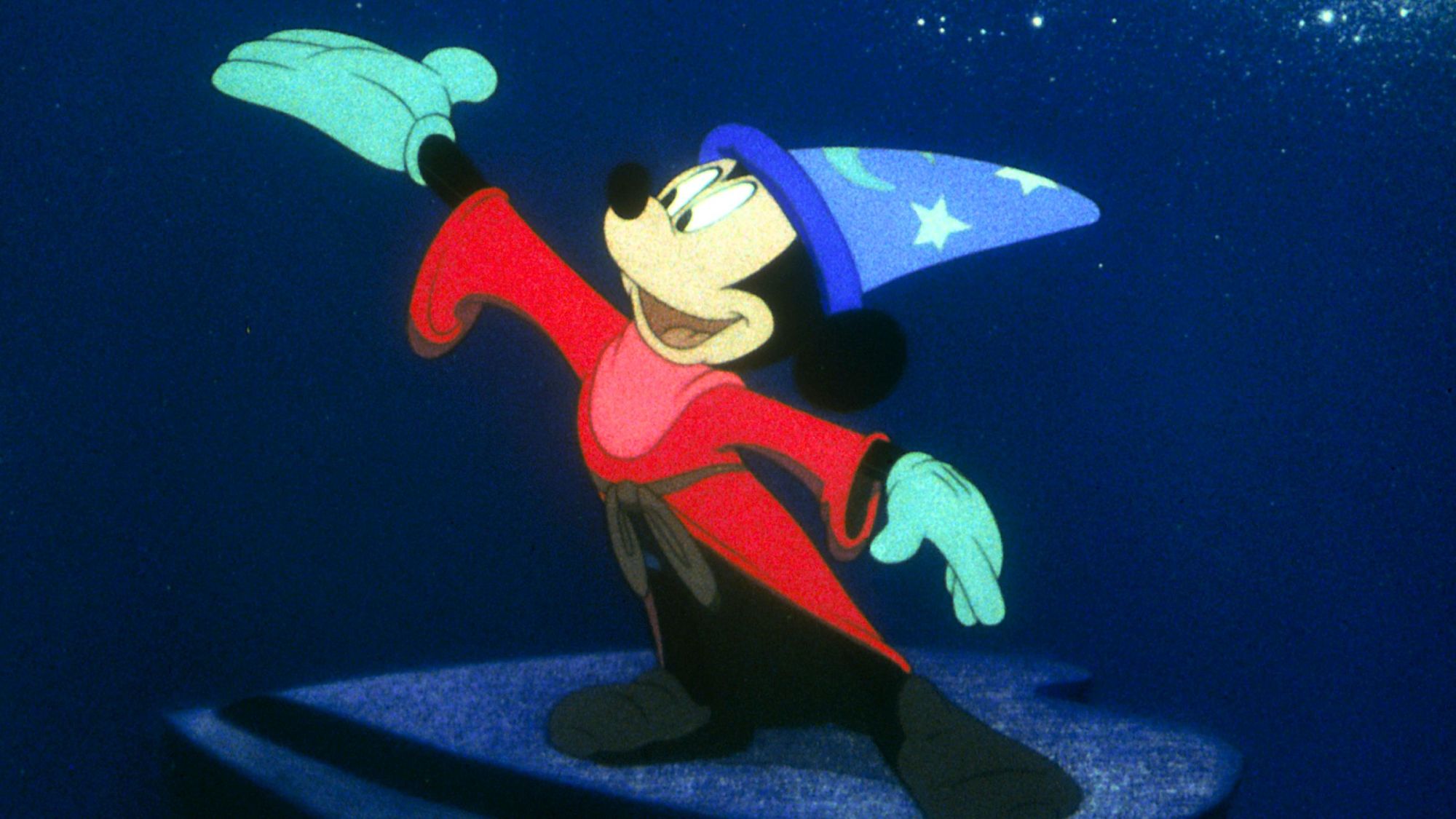
Among these, the 1940 film Fantasia stands out as an ambitious and unconventional project. Unlike traditional Disney movies with clear plots, Fantasia is an anthology of animated sequences set to classical music compositions, creating an experience more artistic than narrative-driven. Notably, the film concludes with a haunting segment featuring Chernabog, a massive demonic figure who summons nightmarish spirits. This finale introduces unsettling visuals that contrast sharply with Disney’s usual comforting tone, making Fantasia a cinematic curiosity that challenges expectations even decades after its release.
Related stories


Pinocchio, often remembered for its moral lessons and the iconic image of a puppet’s nose growing with each lie, reveals a surprisingly grim storyline upon closer examination. The film explores dark scenarios such as the haunting Pleasure Island sequence, where boys are deceived into a place promising freedom but instead suffer transformations into donkeys destined for labor. Beyond this, the narrative confronts issues like child endangerment, abduction, and the presence of cruel antagonists, culminating in a tense pursuit involving a giant whale. These elements contribute to a psychological weight rarely associated with Disney’s children’s stories.
The 1996 adaptation of The Hunchback of Notre Dame further exemplifies Disney’s venture into mature thematic territory. While retaining its animated style, the film tackles heavy topics such as social prejudice, religious extremism, and abuse of authority through the experiences of Quasimodo and the menacing figure of Judge Claude Frollo. The villain’s menace is grounded in human cruelty rather than supernatural powers, adding a layer of realism that intensifies the film’s darker atmosphere. This nuanced approach may explain why The Hunchback of Notre Dame has not achieved the widespread popularity of other Disney classics, despite its critical recognition.
Perhaps the most obscure and commercially troubled entry among these darker Disney films is The Black Cauldron, released in 1985. Departing significantly from the studio’s typical tone, this movie presents a fantasy adventure laced with grim imagery, including decaying castles, undead armies, and a formidable villain known as the Horned King. This atmosphere of impending doom marked a stark contrast to the studio’s usual upbeat style. The film’s failure at the box office led Disney to shelve it for years, delaying its VHS release until it garnered a cult following long after its initial debut. Interestingly, The Black Cauldron was Disney’s most expensive animated project at the time, underscoring the risks involved in the studio’s experimental efforts.
These four films collectively illustrate Disney’s occasional departure from its established formula, opting to explore narratives with a more serious and sometimes unsettling tone. While not achieving the commercial success or enduring fame of titles like Snow White or The Lion King, they have nonetheless carved out distinct niches and contributed to a broader understanding of what animated storytelling can encompass.
The existence of these movies challenges the common perception that Disney’s legacy is solely one of lighthearted escapism. Instead, they reveal a studio willing to confront complex themes and push creative boundaries, even at the risk of alienating audiences expecting traditional family entertainment.
Though their darker elements may limit their mass appeal, these films have maintained relevance through cult audiences and critical reassessment, serving as historical markers of Disney’s evolving artistic ambitions. They remind viewers that the world of animation, even within a brand as iconic as Disney, can encompass shadows alongside its well-known magic.
Full story & global impact
This article was synthesized and rewritten by MusicTop Editorial from reporting published by comicbook.com. Read the publisher's report for the complete source context.
Read original source: comicbook.com