「オーケストラは今やゲーム音楽で食っている」若いゲームファンがチケットを買い、補助金頼りの運営モデルを変えたらしい「オーケストラ音楽の300年で聴衆が全額を払ったのは初めてです」
Published August 5, 2026 · CLASSICAL
@atlanticesque I read somewhere that, increasingly, the only profitable thing an orchestra can do is perform video game music And apparently all these classical musicians are *really* annoyed by that 2026-08-03 05:24:55 どこかで読んだんだけど、ますますオーケストラが儲かる唯一の方法は、ビデ...
Orchestras around the world have traditionally depended heavily on subsidies and patronage, with ticket sales covering only a fraction of operational costs. This long-standing economic structure, dating back centuries to aristocratic support systems, has faced increasing strain in recent decades. Notably, several American orchestras, including those in Philadelphia, Louisville, Honolulu, and Syracuse, have declared bankruptcy since 2010, demonstrating the precarious financial position of classical ensembles.
Amid this challenging landscape, a remarkable transformation is underway: video game music concerts have emerged as a lucrative and sustainable source of revenue for orchestras. Unlike classical repertoire, which struggles to fill halls and generate sufficient ticket income, video game-themed performances have consistently sold out major venues worldwide, breathing new economic life into orchestral music.
Related stories

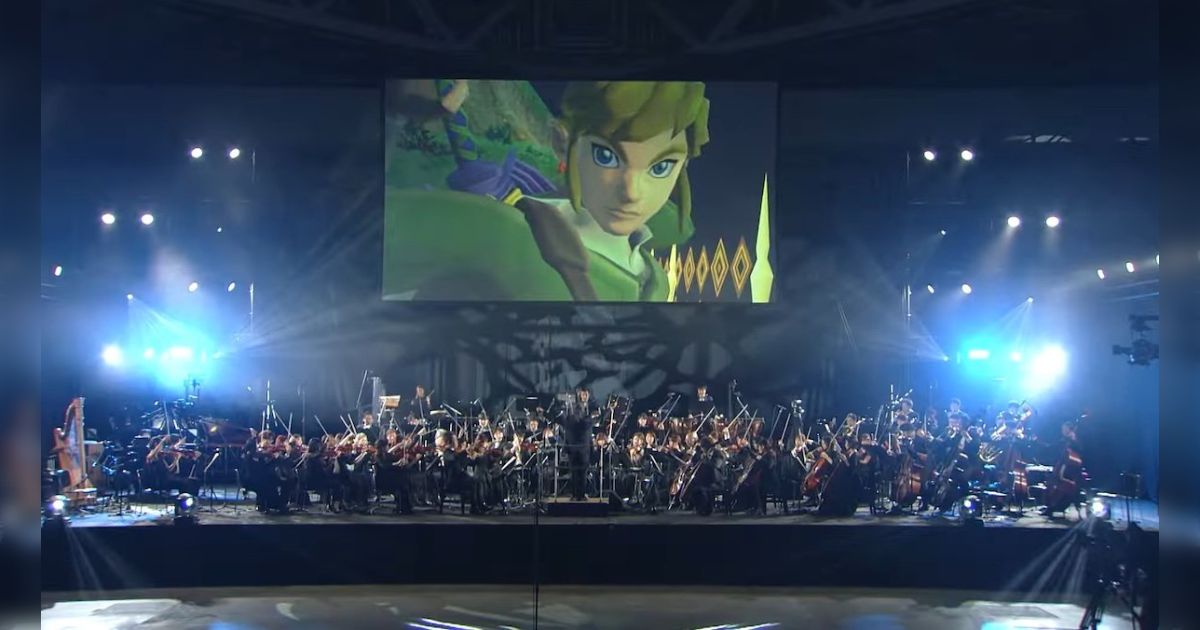
High-profile examples underscore this trend. The world tour of a celebrated symphony based on "The Legend of Zelda" achieved near-complete sellouts, while concerts featuring music from "Final Fantasy VII Rebirth" filled London's Royal Albert Hall. Similarly, performances dedicated to the "Sonic the Hedgehog" franchise attracted full houses at London’s Barbican for multiple consecutive nights. These successes mark a significant departure from the norm, as box office receipts now fully cover concert costs—an unprecedented development in orchestral history spanning three centuries.
This financial turnaround is closely tied to shifts in audience demographics. Classical music subscribers tend to be older, with the field losing more patrons over time than it gains. By contrast, video game concerts attract predominantly younger attendees, often in their teens and twenties, some even attending in costume, creating an energized and engaged fan base. Surveys indicate that for many young people, video game music is their primary gateway to experiencing orchestral sound, surpassing traditional concert attendance.
The implications of this shift are profound. Composers like Koji Kondo and Nobuo Uematsu, known for their iconic video game scores, have inadvertently established one of the most effective modern pathways for introducing orchestral music to younger generations. In effect, these game music concerts could cultivate the next generation of classical music supporters, potentially reversing decades of audience decline.
From an operational standpoint, the orchestras benefit from the flexibility and licensing environment surrounding game music. Concert tours branded explicitly as video game music events often involve arrangements where game companies or booking agencies hire local orchestral musicians for rehearsals and performances, reducing logistical costs. In cases where orchestras independently produce game music nights, they may pay licensing fees from their revenue, but the overall model remains economically viable due to strong ticket sales.
This paradigm contrasts with the classical model, where orchestras typically rely on wealthy donors, government grants, or endowments to fill budget gaps. Historically, legendary composers like Beethoven and Wagner depended on aristocratic patronage, a system that evolved but fundamentally persisted into modern times. The success of video game concerts represents a rare instance where audiences collectively shoulder the full financial burden, a milestone not previously seen in orchestral music.
Despite these benefits, some classical musicians and aficionados express frustration, viewing the prominence of game music as undermining traditional repertoire. However, the data suggests that this new direction may be essential for the survival and evolution of orchestral institutions. By engaging younger demographics and generating sustainable income, video game music concerts offer a practical solution to longstanding financial challenges.
Internationally, orchestras such as the Warsaw Philharmonic have a history of performing music from Japanese anime and video games, highlighting a global expansion of this trend. Additionally, prominent orchestras including the London Philharmonic, London Symphony Orchestra, and the Metropolitan Orchestra have incorporated video game music into their programs, sometimes with renowned conductors leading these performances.
As the classical music world confronts demographic shifts and financial pressures, the integration of video game music into orchestral repertoires is reshaping both audience engagement and economic models. This evolution may well define the future trajectory of orchestral music, balancing tradition with contemporary cultural currents to ensure its continued relevance and vitality.
Full story & global impact
This article was synthesized and rewritten by MusicTop Editorial from reporting published by togetter.com. Read the publisher's report for the complete source context.
Read original source: togetter.com