American Classical Music at 250 — Take Five: The Disconnect Between Scholars and Orchestras
Published August 10, 2026 · CLASSICAL
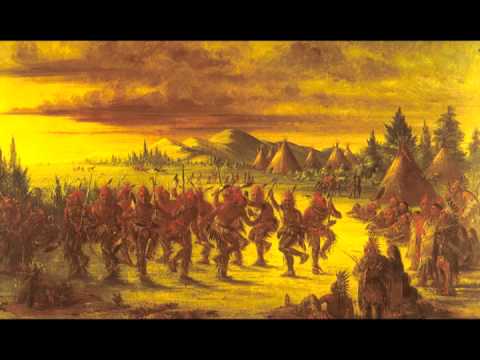
Beginning with my “New York Times” piece on July 4, this is the fifth in a series of articles pondering the state of classical music in the US on the occasion of our 250th birthday. Above: Peter Bogdanoff’s visual presentation for the Largo and Scherzo of Dvo…
As the United States marks its 250th anniversary, reflections on the state of American classical music reveal a persistent disconnect between scholarly research and orchestral practice. While museums have long embraced in-house scholars to deepen public engagement, orchestras have largely remained detached from academic discourse, limiting their ability to fully explore and present the nation's rich musical heritage.
This divide became apparent through the career trajectory of a former New York Times music critic who transitioned into curatorial and directorial roles within the orchestral world. His work exposed a recurring pattern: despite the availability of groundbreaking musicological insights, orchestras often overlook these resources in favor of traditional programming and a focus on star performers.
Related stories

An illustrative example occurred during the Brooklyn Philharmonic’s centennial festival for Dvořák’s New World Symphony. The festival incorporated findings from musicologist Michael Beckerman, who revealed significant connections between the symphony and Henry Wadsworth Longfellow’s poem The Song of Hiawatha. This integration of scholarship into performance offered audiences a richer contextual understanding, a practice seldom seen at major institutions such as Lincoln Center, where the symphony’s origins are historically rooted but rarely interrogated.
The festival also featured collaborations with scholars specializing in American music history, including biographers, historians of the American West, and experts on African American contributions to classical music. This interdisciplinary approach brought to light underappreciated figures like Harry Burleigh, Dvořák’s Black assistant, whose influence had been largely neglected in mainstream presentations.
Building on this model, similar partnerships have been fostered in other orchestras through thematic festivals that engage experts on composers such as Richard Strauss, Shostakovich, and Charles Ives. These collaborations have enriched programming by connecting music to broader historical, cultural, and political narratives, demonstrating the value of integrating scholarship into orchestral work.
Despite such successes, the field of American music scholarship faces challenges including ideological silos and a trend toward fragmented research, often driven by digital distractions and cancel culture dynamics that inhibit open dialogue. These patterns contrast sharply with the collegial and inclusive spirit that characterized earlier generations of scholars, whose comprehensive approach helped establish the foundation for the study of American music.
The absence of this scholarly presence within orchestral institutions has tangible consequences. For example, the Negro Folk Symphony by William Levi Dawson, a work contemporaneous with Copland and Harris and significant to the American twentieth-century symphonic canon, remains absent from programs of leading orchestras like the New York Philharmonic. Such omissions reflect a broader reluctance to curate a more inclusive and historically nuanced American repertoire.
Moreover, orchestras have historically prioritized a “culture of performance” emphasizing celebrity conductors and instrumentalists, often at the expense of promoting contemporary composers or engaging deeply with American musicology. This trend, rooted in mid-20th century commercial strategies, has contributed to a superficial engagement with classical music’s cultural significance.
Efforts to bridge this gap continue through innovative projects like the Lakota Music Project led by the South Dakota Symphony. This initiative fosters connections with Native American communities, using music as a platform for cultural exchange and understanding. Such endeavors underscore the potential for orchestras to serve as agents of historical reflection and social dialogue when supported by scholarly expertise.
In sum, the integration of academic scholarship into orchestral programming offers a pathway to revitalize American classical music. By expanding their institutional identities beyond performance alone, orchestras can more effectively curate the nation’s musical past and present, transforming concerts into immersive experiences that resonate with contemporary audiences and honor the complexity of America’s cultural landscape.
Full story & global impact
This article was synthesized and rewritten by MusicTop Editorial from reporting published by artsjournal.com. Read the publisher's report for the complete source context.
Read original source: artsjournal.com