Spic Macay founder spells out classical music nuances
Published August 13, 2026 · CLASSICAL
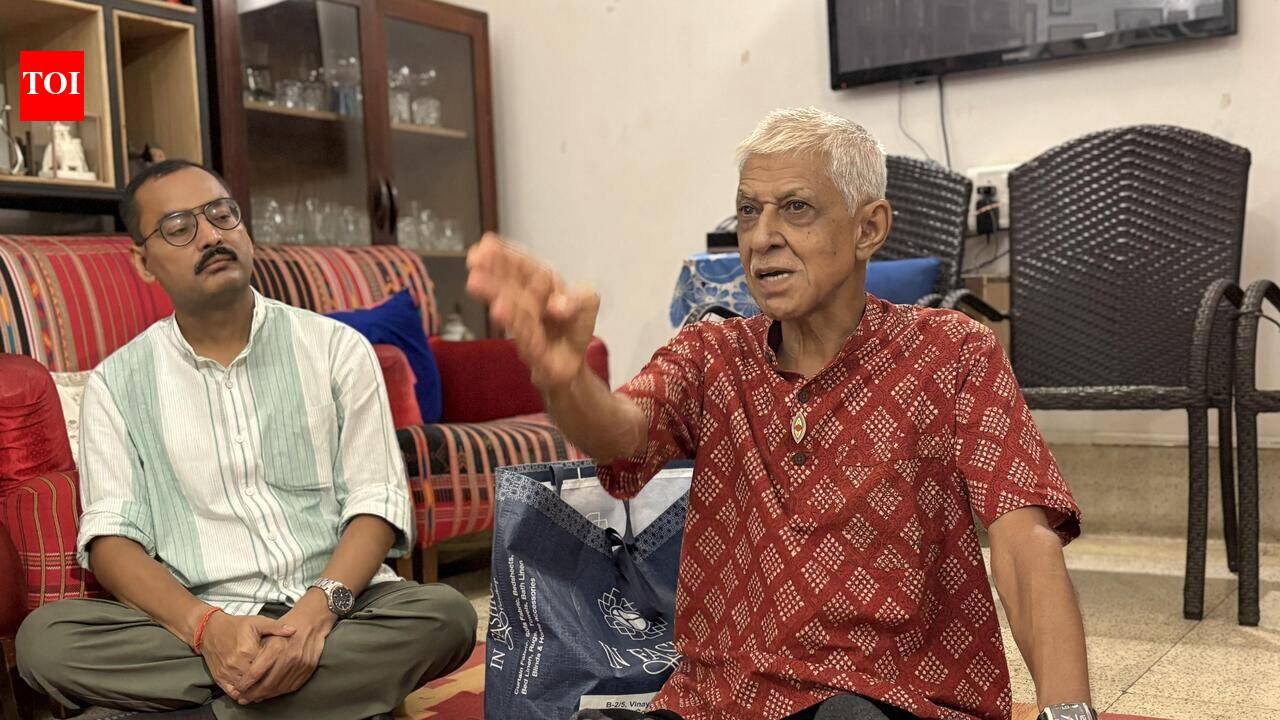
Padma Shri Kiran Seth at Lucknow Bioscope highlights classical arts’ therapeutic value, citing ragas for calm and proposing raga-based school bells.
At a recent gathering held at the Lucknow Bioscope, Padma Shri awardee Kiran Seth, the founder of Spic Macay, presented a compelling case for the therapeutic qualities embedded within Indian classical music. Seth highlighted how specific ragas can promote tranquility and mental well-being, suggesting their integration into everyday auditory experiences.
Seth elaborated on the nuanced emotional and psychological impacts that classical ragas have long been known to impart. By invoking particular melodies, listeners may experience a sense of calm and restoration, a concept rooted in traditional Indian musicology but gaining renewed attention in contemporary discourse on mental health.
Related stories


During his address, he proposed an innovative idea to incorporate ragas into the school environment by replacing conventional school bells with raga-based tones. This initiative aims not only to maintain discipline and time awareness but also to subtly enhance the emotional atmosphere for students and educators alike.
The proposal underscores a broader vision where classical arts transcend performance spaces and become an integrated part of daily life, contributing to societal well-being. Seth’s emphasis on this integration reflects an ongoing effort by cultural advocates to preserve classical traditions while adapting their relevance for modern contexts.
Lucknow Bioscope, a venue known for its cultural significance, provided a fitting backdrop for this discourse, attracting enthusiasts and practitioners interested in the intersection of music, education, and health.
While the details of implementing raga-based school bells remain preliminary, the concept represents a novel intersection of music therapy and educational reform. It suggests a pathway where ancient art forms could have practical applications in enhancing cognitive and emotional development among youth.
This approach aligns with a growing global recognition of music’s role in therapeutic settings, expanding beyond performance into realms such as stress reduction, focus enhancement, and emotional regulation.
Kiran Seth’s engagement at this event contributes to an ongoing dialogue about the relevance of classical music in contemporary society, advocating for its preservation not just as an art form but as a vital component of holistic well-being.
Though specific outcomes or pilot programs stemming from this idea have yet to be announced, the discussion itself marks an important step toward integrating cultural heritage with modern lifestyle needs.
Details on further developments or institutional support for this raga-based initiative are currently limited, but the conversation initiated at the Lucknow Bioscope indicates a promising direction for classical arts advocates.
By emphasizing the therapeutic potential of ragas and proposing their practical application in educational settings, Kiran Seth continues to champion the cause of classical music, not merely as entertainment but as a medium capable of enriching lives in multifaceted ways.
Full story & global impact
This article was synthesized and rewritten by MusicTop Editorial from reporting published by timesofindia.indiatimes.com. Read the publisher's report for the complete source context.
Read original source: timesofindia.indiatimes.com