In 1993, Taiwan collected 70% of its trash while recycling virtually none. 33 years later, paid bags, musical trucks and sorting helped drive recycling to 55% nationwide
Published August 31, 2026 · CLASSICAL
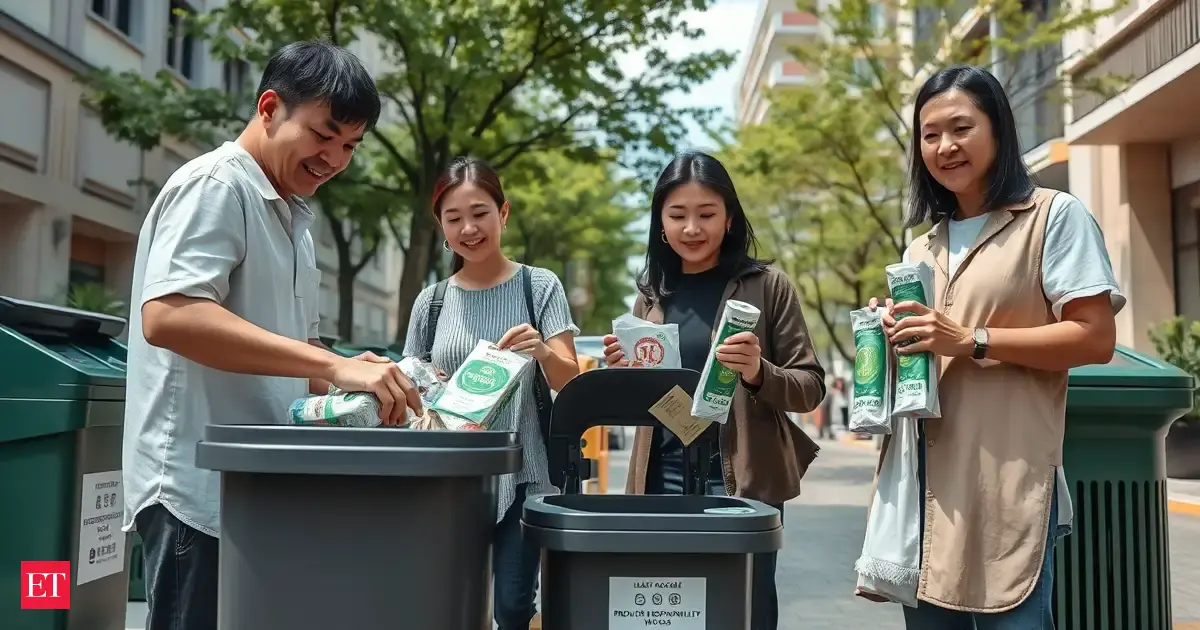
Taiwan’s experience therefore challenges the idea that recycling depends mainly on individual environmental enthusiasm. People certainly need to participate, but participation becomes easier when governments create systems that are convenient, predictable and…
In the early 1990s, Taiwan grappled with a waste management challenge familiar to many rapidly developing regions: while it collected a significant majority of its trash, the rate of actual recycling was negligible. In 1993, the island managed to gather around 70% of its refuse, yet recycling efforts were almost non-existent.
Over the subsequent three decades, Taiwan embarked on a comprehensive overhaul of its waste handling framework, culminating in a national recycling rate of approximately 55% by 2026. This remarkable progression is attributed less to individual willpower and more to the establishment of structured, government-led systems that simplified participation and ensured compliance.
Related stories

Central to Taiwan's success was the implementation of a paid garbage bag policy. This economic incentive positioned waste disposal as a tangible cost to citizens, encouraging waste reduction and promoting recycling behaviors. The model effectively shifted the paradigm from voluntary environmentalism to a practical, everyday consideration tied to personal expenditure.

Complementing this was the introduction of musical garbage trucks, a culturally unique approach that scheduled waste collection times and encouraged residents to sort their recyclables properly. The auditory signals served as timely reminders, fostering predictable routines and reinforcing community engagement.
Moreover, the government invested in rigorous waste sorting protocols, standardizing categories and educating the public on proper disposal techniques. This clarity reduced confusion and increased the quality and quantity of recycled materials, streamlining the overall recycling process.
Taiwan’s experience challenges the common assumption that recycling success hinges predominantly on the environmental enthusiasm of individuals. While citizen participation remains essential, the Taiwanese case illustrates the critical role of convenient, enforceable, and predictable government systems in facilitating widespread behavioral change.

The island’s journey provides a valuable template for other nations aiming to boost recycling rates. It underscores that well-designed policy instruments, economic incentives, and culturally resonant strategies can collectively transform waste management practices within a relatively short time frame.
Despite these advances, details about the specific technological or infrastructural investments made alongside these policies remain limited. Further information would clarify how Taiwan balanced logistical challenges with behavioral incentives.
Nonetheless, Taiwan’s evolution from a low-recycling environment to a leader in waste management underscores the potential for policy innovation to drive environmental progress, reaffirming that systemic frameworks can be more impactful than relying solely on individual environmental consciousness, as reported by economictimes.indiatimes.com.
Full story & global impact
This article was synthesized and rewritten by MusicTop Editorial from reporting published by economictimes.indiatimes.com. Read the publisher's report for the complete source context.
Read original source: economictimes.indiatimes.com