Quote of the day by Ludwig van Beethoven: 'There are many princes and noblemen. There is only one Beethoven.' Life lessons from one of the greatest composers in the history of Western music
Published September 1, 2026 · CLASSICAL
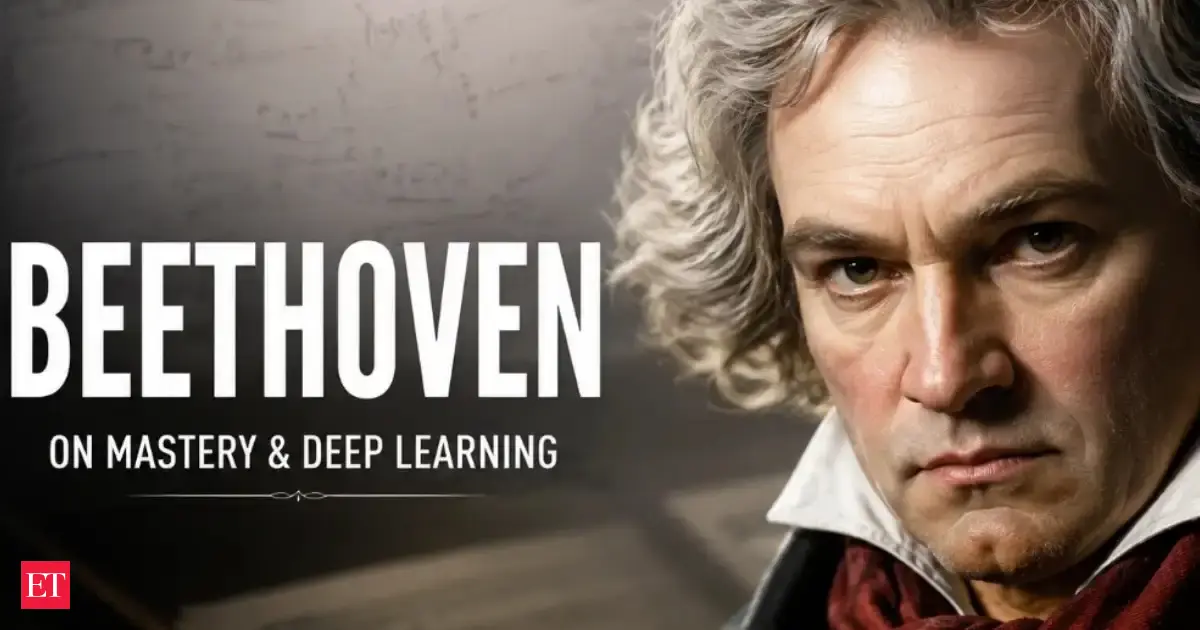
Quote of the day by Beethoven: Ludwig van Beethoven expressed a powerful belief in the importance of individual merit, valuing talent and hard work over noble lineage. His insight remains relevant today, when comparisons with others are increasingly common. B…
Ludwig van Beethoven, one of Western music’s most influential figures, once underscored the supremacy of individual merit over aristocratic heritage. This perspective, highlighted in a notable statement cited by economictimes.indiatimes.com, reflects his belief that genuine achievement stems from personal ability and perseverance rather than social rank or family background.
During Beethoven’s lifetime, the cultural environment favored lineage and social class as markers of worth and opportunity. However, Beethoven’s career trajectory diverged from this norm. Despite not belonging to nobility, he forged a path defined by exceptional talent and relentless dedication to his art. This commitment enabled him to transcend societal barriers and establish a lasting reputation that endures in classical music history.
Related stories

Beethoven's stance is particularly significant considering the historical context of his era, where patronage by the aristocracy often dictated a composer’s success. By valuing merit over noble connections, Beethoven challenged existing hierarchies and redefined what it meant to be a great artist. His approach opened avenues for future generations of musicians to seek recognition based on their creative contributions rather than their social standing.

The composer’s insight also carries contemporary relevance. In an age marked by constant comparison and social media scrutiny, Beethoven’s emphasis on personal development and intrinsic value offers a timeless lesson. It encourages individuals to focus on cultivating their unique skills and accomplishments instead of being overshadowed by external benchmarks or societal expectations.
This philosophy can be seen as a call to embrace authenticity and self-respect, particularly in creative fields where originality and individual expression are paramount. Beethoven's legacy thus extends beyond his compositions, serving as an enduring inspiration for artists and professionals who aspire to make their mark through hard work and genuine talent.
While details about the origins and precise wording of Beethoven’s quoted sentiment remain limited, the essence of his message is clear. It underlines a universal truth recognized across disciplines: enduring success is rooted in one’s own contributions rather than inherited status.

The broader implications of this viewpoint resonate in various domains, including education, business, and cultural institutions, where meritocratic principles continue to be debated and refined. Beethoven’s example reinforces the value of meritocracy as a foundation for recognizing true excellence.
In summary, Ludwig van Beethoven’s reflection on the primacy of individual merit over nobility encapsulates a progressive mindset that challenged the conventions of his time. This ethos not only shaped his career but also offers a guiding principle relevant to modern society’s ongoing dialogue about achievement, identity, and recognition.
Full story & global impact
This article was synthesized and rewritten by MusicTop Editorial from reporting published by economictimes.indiatimes.com. Read the publisher's report for the complete source context.
Read original source: economictimes.indiatimes.com