‘Pete Townshend: Behind Blue Eyes’ Review: The Legendary Rocker Gets a Lively Doc That Asks: Who Are You? And Doesn’t Fully Answer It
Published September 5, 2026 · CLASSICAL

The film centers itself on Pete Townshend’s contradictions, his growing pains, his turmoil, and his complexity as a human being and rock artist. And that’s all good. But given where it sets the bar, there’s too much that's left out.
The recently premiered documentary “Pete Townshend: Behind Blue Eyes,” directed by Frank Marshall and Nigel Sinclair, provides an intimate yet incomplete look at the complex life and artistry of the legendary guitarist and songwriter of The Who. Drawing heavily on rare archival materials, the film attempts to unravel the contradictions and emotional struggles that have defined Townshend’s journey but stops short of delivering a fully rounded portrait.
Central to the documentary is a rich collection of previously unseen footage, including 16mm reels from the early 1970s, intimate home movies, and rare film from The Who’s 1970 Isle of Wight performance. These visuals vividly capture Townshend’s signature stage presence, especially his iconic circular windmill guitar strum, a symbol of his raw power and the explosive energy that helped shape rock music’s rebellious edge.
Related stories

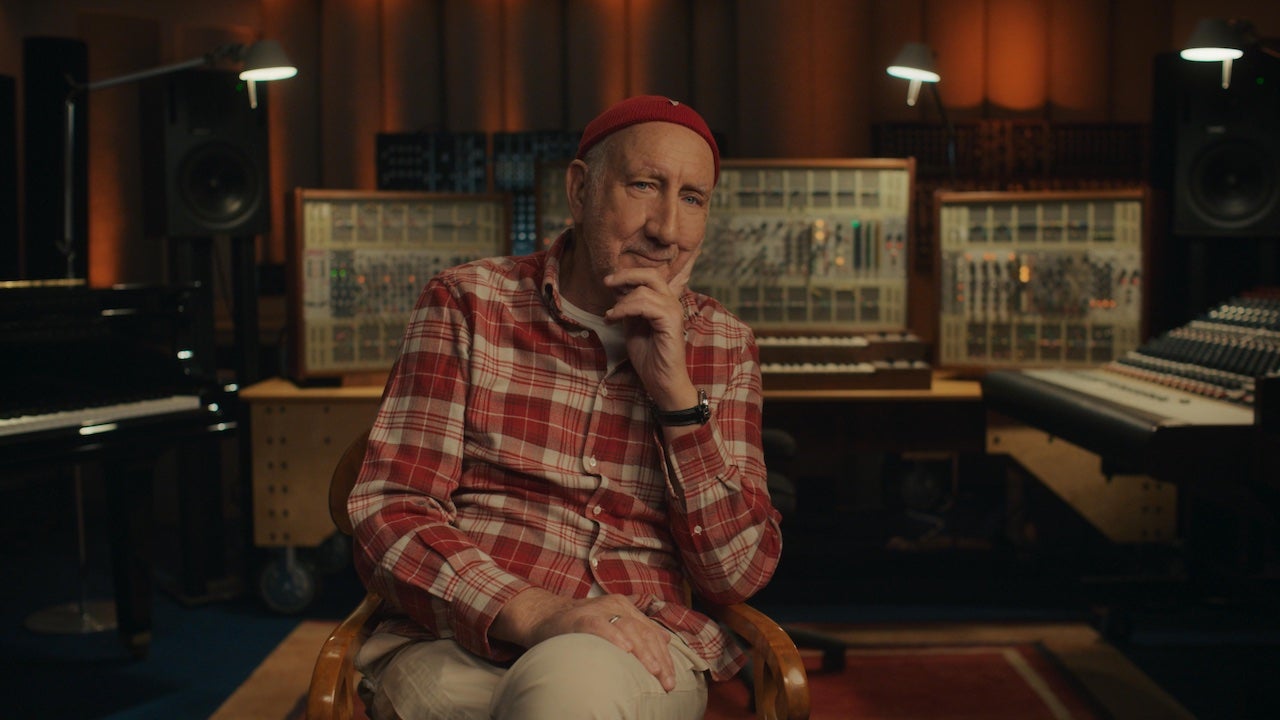
While the film showcases Townshend’s dynamic musicianship and moments of band camaraderie, it pivots more towards his introspective and often turbulent creative mind. The narrative delves into his formative years, highlighting the impact of being sent to live with his grandmother at age four after parental abandonment, and the emotional detachment that followed. This childhood trauma profoundly influenced his work, most notably in the creation of the groundbreaking rock opera "Tommy," an album that positioned Townshend as a visionary seeking to elevate rock music into an art form.
Related music video
Selected for this story · Published within the last two years
The documentary traces Townshend’s evolution from a Mod youth who stumbled into music somewhat serendipitously to a serious artist with intellectual ambitions. It reflects on his early days at art school where exposure to avant-garde music and performance art inspired his theatrical guitar-smashing act. Despite its importance, however, the film curiously omits discussion of some pivotal moments, such as the influence of the song “My Generation,” which had a lasting impact on punk rock and cemented The Who’s reputation as innovators.
“Behind Blue Eyes” also touches on the band’s internal challenges following the success of "Tommy," portraying a group uncertain of its direction and grappling with creative pressures. Candid interviews with Townshend and lead singer Roger Daltrey convey a sense of reflection on the highs and lows of their career, with particular focus on the early 1970s period when the band sought to redefine themselves amid personal and professional turmoil.
Despite these insights, the film sidesteps several significant aspects of Townshend’s personal life and struggles. It briefly acknowledges his battles with addiction and his intense obsession with the unfinished rock opera "Lifehouse," yet it offers limited exploration of the underlying reasons for his substance abuse or his intimate relationships, including two marriages and a period in which he openly discussed a same-sex experience.
The documentary’s treatment of other band members, such as drummer Keith Moon, is similarly selective. While Moon’s tragic death from a prescribed sedative overdose is mentioned, details about his well-documented struggles with alcoholism are notably absent. Further, the influence and aftermath of the 1975 film adaptation of "Tommy," directed by Ken Russell and a significant moment in The Who’s history, receive little attention.
“Pete Townshend: Behind Blue Eyes” inevitably invites comparison to earlier definitive works on The Who, such as the 1979 documentary "The Kids Are Alright." Where the latter offers a comprehensive and vibrant chronicle of the band’s rise and cultural impact, this new film narrows its lens on Townshend’s psyche but leaves several questions unresolved. Its portrayal is more exploratory than conclusive, providing glimpses into Townshend’s creative genius and inner conflicts without fully penetrating the complexities beneath.
In sum, the documentary contributes valuable visual archives and thoughtful reflections from Townshend himself, now in his eighties, yet it stops short of delivering a complete understanding of the artist behind some of rock’s most enduring music. Fans and newcomers alike will find the film a worthwhile glimpse into a pivotal figure’s life, though it ultimately scratches the surface rather than offering a definitive account.
Full story & global impact
This article was synthesized and rewritten by MusicTop Editorial from reporting published by variety.com. Read the publisher's report for the complete source context.
Read original source: variety.com