Quiz: Think You’re a Musical Theater Fan? Finish These Famous Song Titles
Published September 13, 2026 · CLASSICAL
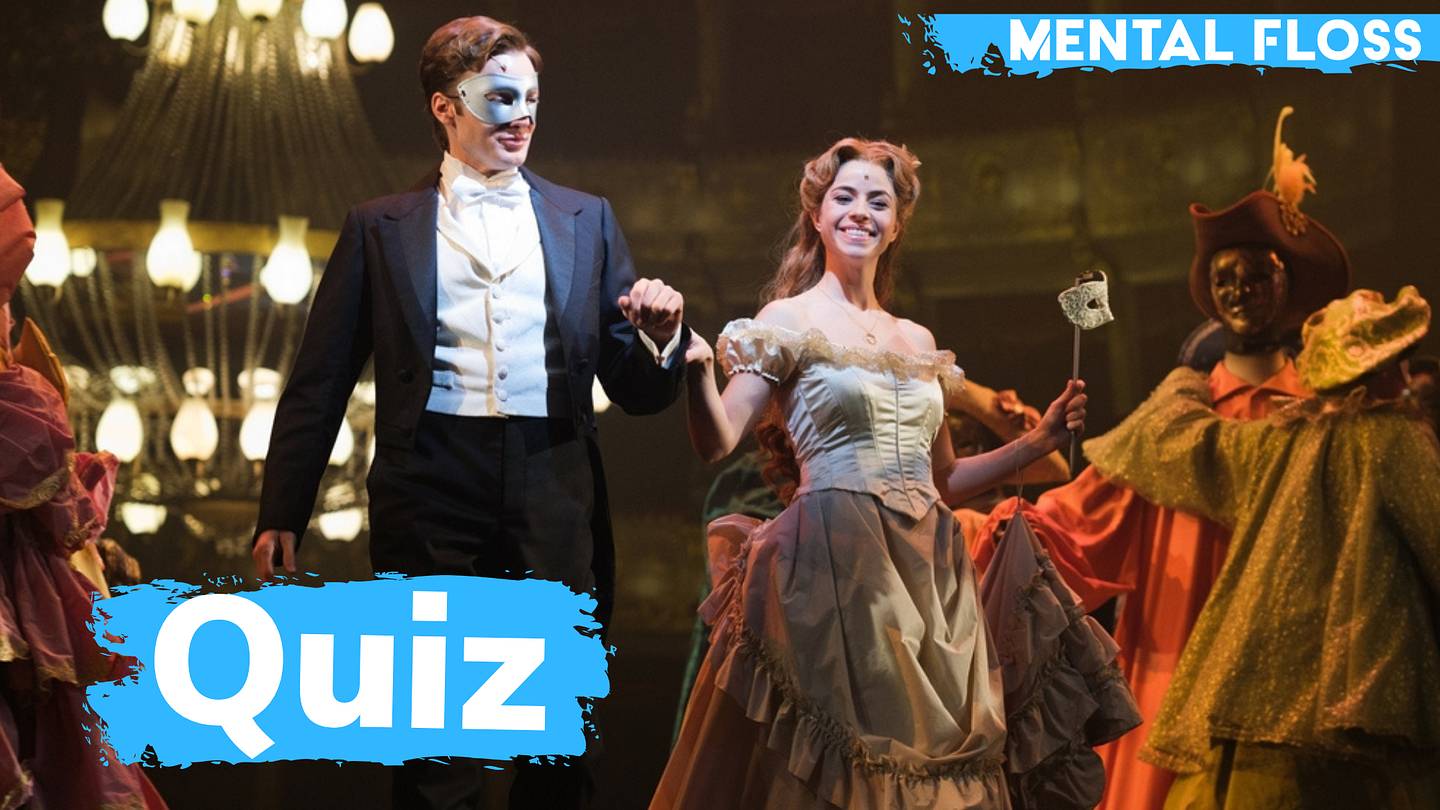
How well do you know these unforgettable numbers from 'Mamma Mia,' 'Rent,' and more? See if you can complete the song titles from these classic musicals with this quiz.
Musical theater songs occupy a singular place in the performing arts, serving not only to entertain but also to advance narrative and deepen character development. This dual role has helped certain songs become iconic, remaining staples in the repertoire of stage productions worldwide.
Tracing the roots of musical theater reveals a rich, diverse heritage. Early forms of this art can be found across multiple ancient cultures. For instance, classical Indian musical dramas date back over two millennia, while Chinese opera emerged centuries later, each integrating music, dance, and storytelling. Similarly, indigenous Mayan celebrations included musical pageants chronicling rulers' lives, and African communities have long used musical narratives to reflect their social experiences. Even the ancient Greeks incorporated music and dance into their theatrical performances, laying foundational practices for future forms.
Related stories


The modern iteration of musical theater began to take shape in the United States during the late 19th century. This period witnessed the blending of disparate entertainment styles such as minstrel shows, vaudeville acts, opera, and burlesque, ultimately producing a novel genre focused on cohesive storytelling through song and dialogue. The Black Crook, which premiered in New York in 1866, is widely regarded as the first contemporary musical, setting a precedent for the genre’s narrative and musical integration.
Following this early landmark, musicals like The Pirates of Penzance (1879) helped popularize the form. The 1920s saw an ascendance of musical theater with prolific composers and lyricists like Cole Porter and the Gershwin brothers contributing enduring works such as Anything Goes and Of Thee I Sing. This era solidified musical theater’s place in American culture.
The 1940s and 1950s are often referred to as the “Golden Age of Musicals,” a period marked by landmark productions from the duo Rodgers and Hammerstein. Their breakout success, Oklahoma (1943), catalyzed a surge of innovative storytelling in musicals, with shows like Carousel and On the Town also achieving lasting acclaim. This epoch emphasized storytelling that was both emotionally resonant and musically sophisticated.
Musical theater songs typically fall into distinct categories that serve narrative functions. An opening number often establishes the show’s world and tone, inviting audiences into the story. Early in the narrative, protagonists frequently perform “I want” songs, which articulate their desires and motivations, forging an emotional bridge with viewers. Classic examples include "Somewhere Over the Rainbow" from The Wizard of Oz and "If I Were a Rich Man" from Fiddler on the Roof.
Comedic relief is another integral component, with many musicals featuring humorously rapid-fire “patter songs” characterized by their tongue-twisting lyrics and rhythmic complexity. These songs, such as “I Am the Very Model of a Modern Major-General” from The Pirates of Penzance, provide levity and showcase performers’ vocal agility.
A particularly significant moment in many musicals is the “11 o’clock number,” traditionally performed late in the show around the time the curtain nears its fall. This song usually captures a character’s emotional zenith or crisis, allowing a powerful display of vocal and dramatic range. Notable instances include "Rose’s Turn" from Gypsy and "And I Am Telling You I'm Not Going" from Dreamgirls.
Structurally, musical theater also relies on impactful numbers to close the first act, open the second, and conclude the entire production. The end-of-act-one song, in particular, is often charged with dramatic weight, as evidenced by “Defying Gravity” in Wicked or “A New Argentina” in Evita. These moments are crafted to leave audiences eager for what follows.
While conventions provide a framework, musical theater remains a flexible medium where creators often innovate and subvert expectations. Yet, the enduring popularity of these song types attests to their effectiveness in storytelling and audience engagement, ensuring that musical theater continues to captivate generations of theatergoers.
This overview underscores how musical theater songs are more than mere entertainment; they are vital narrative tools shaped by centuries of cultural evolution and artistic experimentation. Their continued resonance speaks to the power of music and story intertwined, a hallmark that defines the genre’s lasting appeal, as highlighted in a recent quiz hosted by mentalfloss.com challenging fans to complete iconic song titles from celebrated musicals.
Full story & global impact
This article was synthesized and rewritten by MusicTop Editorial from reporting published by mentalfloss.com. Read the publisher's report for the complete source context.
Read original source: mentalfloss.com