Balich Wonder Studio Reinvents the Classical Music Performance
Published September 14, 2026 · CLASSICAL
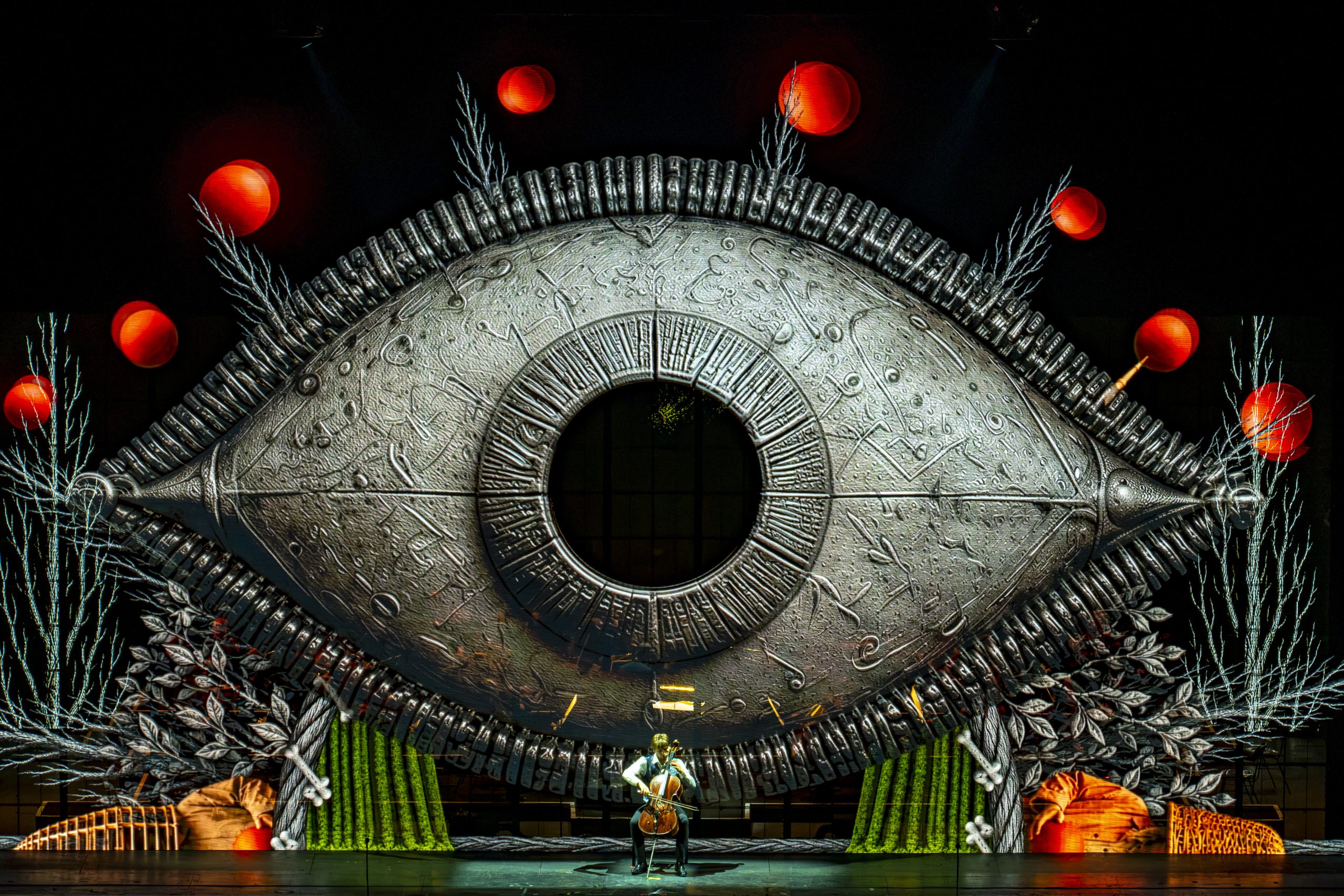
Marco Balich and his team produced an immersive orchestral experience at Arena di Verona, bridging the worlds of tech-driven creative visuals with centuries-old musical compositions At the Arena di Verona in Italy, …
In the historic setting of Italy’s Arena di Verona, classical music is undergoing a striking transformation that merges tradition with modern technology. This summer, the venue hosted two groundbreaking concerts produced by Marco Balich and his creative team, aiming to revitalize the orchestral experience and attract a new generation of listeners.
The productions included the third season of Viva Vivaldi: The Four Seasons Immersive Concert, alongside the world premiere of Paganini Paradise: Superlive Immersive Concert. Both shows paired live performances by the Arena di Verona Foundation Orchestra with expansive visual storytelling, incorporating large-scale projections, three-dimensional video, and transparent LED screens that extended the spectacle beyond the stage and into the ancient amphitheater’s open-air environment.
Related stories

Viva Vivaldi presented Antonio Vivaldi’s iconic Four Seasons with fidelity to the original score, performed by 29 musicians under the baton of young conductor Giovanni Andrea Zanon, who is just 28 years old. The concert’s visual dimension, however, introduced a novel scale, enveloping the audience in a sensory experience that complemented the music without overpowering it.
Paganini Paradise, a new creation structured in three acts, offered a more experimental journey, exploring themes from light to darkness and cosmic chaos. This tribute to Niccolò Paganini’s virtuosic legacy interwove his compositions with works by composers such as Pachelbel, Albinoni, and Barber. Central to this performance were Zanon and the 23-year-old cellist Ettore Pagano, whose youthful presence onstage was a deliberate choice to foster a stronger connection with younger viewers.
Marco Balich’s approach reflects a strategic response to the challenges faced by classical music institutions worldwide, where an aging audience base threatens the future viability of live orchestral performances. He advocates for integrating visual elements as a means to deepen engagement rather than distract, positioning multisensory stimulation as a gateway to renewed appreciation.
Balich’s credentials in large-scale event production are extensive, including iconic projects such as the Expo 2015 Tree of Life and recent Olympic and FIFA World Cup ceremonies. His expertise in blending theater, music, and cutting-edge technology lends these Arena productions a cinematic quality while maintaining respect for the artistic integrity of live musicianship.
The visual program of Paganini Paradise was particularly notable for its evocative use of imagery. Early sequences drew on the intricate paintings of Hieronymus Bosch, animating celestial and infernal scenes that mirrored the musical narrative’s emotional arc. Subsequent acts transitioned to contemporary and abstract visuals, featuring geometric patterns and natural motifs that evoked a dynamic, turbulent universe.
Despite the overall success, the decision to amplify the orchestra’s sound via a speaker system sparked some debate. Given the venue’s renowned acoustic heritage, this choice potentially diminished the raw impact of unamplified live performance, though it may align with the listening habits of younger audiences accustomed to amplified music.
The productions enjoyed the full support of Cecilia Gasdia, Superintendent of the Arena di Verona Foundation, who entrusted Balich with artistic freedom to realize his vision. Giovanni Andrea Zanon’s active involvement ensured that the musical and visual elements remained closely integrated throughout the creative process.
Looking ahead, these immersive concerts are set to return to the Arena di Verona in August 2027, signaling confidence in the format’s appeal and its potential to travel internationally. The initiative underscores the Arena’s evolving role as a hub for innovative classical music presentations that blend historical reverence with contemporary cultural dynamics.
While details on touring plans remain limited, the success of these productions offers a promising blueprint for orchestras seeking to broaden their audience base through immersive, multimedia-enhanced performances. By balancing respect for heritage with technological creativity, Marco Balich Wonder Studio is redefining how classical music can resonate in the 21st century.
Full story & global impact
This article was synthesized and rewritten by MusicTop Editorial from reporting published by coolhunting.com. Read the publisher's report for the complete source context.
Read original source: coolhunting.com