Nella Fantasia
Published September 24, 2026 · CLASSICAL
If you know anything about me at all, you’d know that I have an uncommon attachment to music. My taste in music ranges all across the spectrum: from classical to pop, Western and Indian, vocal, instrumental, trance, electronic, world music, and everything in …
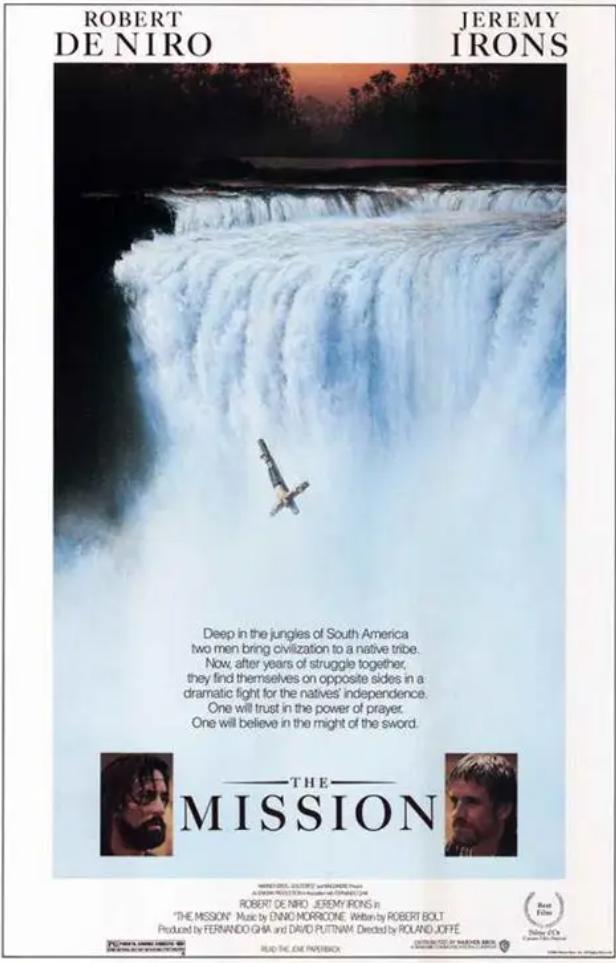
Ennio Morricone stands as one of the most influential composers in the history of cinema, with a career that spanned over six decades and yielded more than 400 film and television scores alongside over 100 classical compositions. Among his extensive oeuvre, the soundtrack for the 1986 film The Mission remains a pinnacle of his artistic achievement, blending diverse musical traditions into a poignant narrative accompaniment.
The Mission, directed by Roland Joffé, tells the story of Father Gabriel, a Jesuit priest embarking on a missionary journey into the South American rainforest to work with the indigenous Guaraní people. The film’s themes of faith, pacifism, and redemption are deeply intertwined with its soundtrack, which Morricone initially hesitated to compose. Upon viewing a rough cut of the film in London, Morricone was so moved by its visual and narrative beauty that he felt additional music might detract from its impact. However, after reconsidering, he created a score that is widely regarded as transcendent, melding elements of European sacred music, indigenous South American percussion, and lyrical melodies.
Related stories
Il Trovatore a Bari, la regia di Livermore accende il palco: fiamme e acciaio nella tragedia verdiana
 Meet Daisy Campanella, 29, who left Florida behind after inheriting her great-grandmother’s 230-acre Missouri farm, plans to restore neglected land, build family homes and raise animals with husband Philip
Central to the score is the piece known as “Gabriel’s Oboe,” which serves as a musical embodiment of the protagonist’s gentle and compassionate spirit. The oboe’s plaintive and soaring lines reflect both the character’s inner resolve and the natural environment of the rainforest. This theme has been performed by numerous musicians over the years, with renditions ranging from seasoned oboists to young virtuosos, highlighting its enduring emotional resonance.

The instrumental purity of “Gabriel’s Oboe” later inspired the creation of a vocal adaptation titled “Nella Fantasia.” This transformation traces back to soprano Sarah Brightman, who was captivated by the piece and persistently encouraged Morricone to allow her to add lyrics and operatic vocals. Despite initial resistance from Morricone, who regarded the original as complete in itself, Brightman’s persistent appeals led to the composition of Italian lyrics by Chiara Ferraù. The song’s text reflects a utopian vision of a just and peaceful world, resonating with the film’s spiritual and humanistic themes.
“Nella Fantasia” has since become a popular vocal piece covered by many artists, both female and male, showcasing the adaptability of Morricone’s composition beyond its cinematic origins. Its lyrics evoke imagery of freedom, compassion, and hope, expanding the emotive reach of the original instrumental work.
Morricone’s collaboration with director Sergio Leone, a childhood friend from Rome, marked the beginning of a prolific partnership that influenced the sound of spaghetti Westerns and beyond. The Mission’s score is often noted for its unique synthesis of cultural soundscapes, which enrich the film's narrative and emotional depth.

Throughout his career, Morricone received numerous accolades, including multiple Academy Award nominations for his scores on films such as Days of Heaven (1978), The Untouchables (1987), and Malèna (2000). He was honored with an Academy Honorary Award in 2007 and won the Academy Award for Best Original Score for The Hateful Eight in 2015. His iconic composition for The Good, the Bad and the Ugly (1966) remains a landmark in film music, celebrated for its innovative approach and lasting influence.
The Mission’s soundtrack exemplifies Morricone’s ability to craft music that transcends cultural boundaries and speaks to universal human experiences. Its enduring appeal lies not only in its technical mastery but also in its heartfelt reflection of faith, sacrifice, and humanity. This legacy continues through diverse interpretations and performances, sustaining Morricone’s profound impact on cinema and music worldwide.
Full story & global impact
This article was synthesized and rewritten by MusicTop Editorial from reporting published by deeshaa.org. Read the publisher's report for the complete source context.
Read original source: deeshaa.org