Apple Music Subscribers Reveal The Key Features They Want Next
Published October 2, 2026 · CLASSICAL
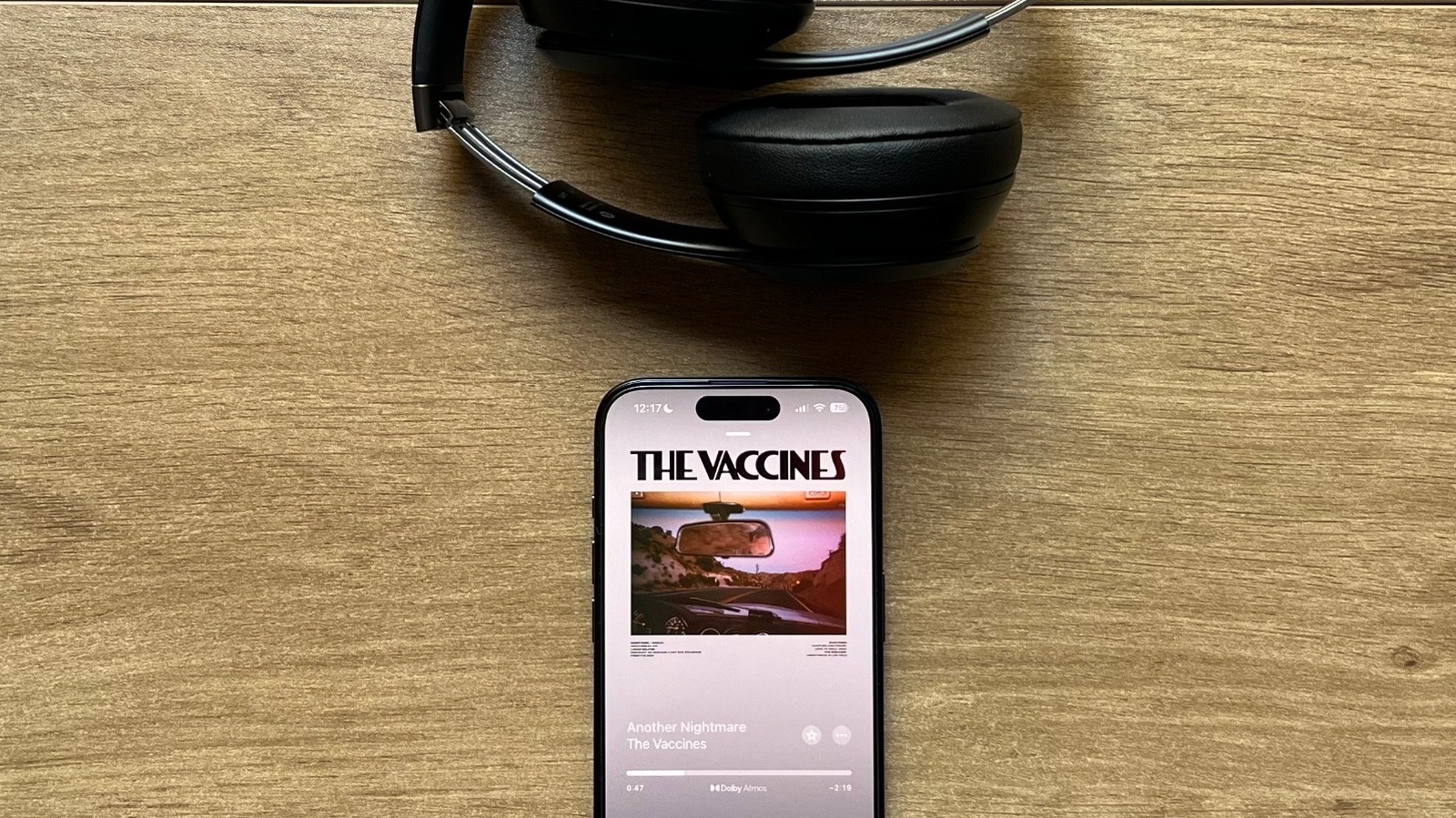
Disappointed by the lack of proper new features, both I and a whole community of subscribers still think Apple Music has improvements to make.
Over a decade since its launch, Apple Music continues to be a major player in the streaming landscape, yet many subscribers express ongoing frustration over its feature set and user experience. Despite incremental additions such as real-time lyrics, Dolby Atmos with Spatial Audio, and concert integrations, users feel the platform has yet to deliver several highly anticipated enhancements.
Recent updates tied to iOS 27 have done little to quell these concerns, leaving a loyal community eager for more substantive innovation. Unlike competitors like Spotify, which have long embraced social sharing and collaborative playlist features, Apple Music still lacks built-in tools to connect users’ music tastes with friends or artists, such as Spotify's Blend functionality. This social dimension remains a notable gap in the platform’s offering.
Related stories



Another recurring issue involves Apple Music’s inconsistent interface and feature availability across its ecosystem. Although Apple has aimed to harmonize its software experience through its 'Liquid Glass' design philosophy and unified versioning with iOS 26, disparities persist between the iPhone, iPad, and Mac applications. Features like pinned playlist actions appear on iPhone but are absent on iPad and Mac, while the Mac version retains an outdated appearance reminiscent of the older iTunes interface. This fragmented experience creates friction for users navigating the service across multiple devices.
Functionality frustrations extend to fundamental music library management tools. For instance, the ability to remove duplicate tracks remains elusive, causing inconvenience for users managing large collections. Additionally, the platform's play count metrics, integral to personalized playlists such as Replay, often fail to accurately reflect listening habits, undermining users’ ability to track their music consumption reliably. This inconsistency is noted not only by Apple’s iOS users but also by those on Android, where the app is available.
Apple’s integration strategy further complicates the user experience. Unlike some streaming services that offer podcasts, audiobooks, and music within a single app, Apple separates these media types into distinct applications—Podcasts, Books, and Apple Music Classical—requiring users to switch contexts to access different content forms. Subscribers seeking a more seamless media hub desire consolidation into an all-in-one platform.
Despite the anticipation surrounding each new iOS iteration, updates to Apple Music remain closely linked to Apple’s broader operating system releases, which slows the pace at which dedicated music features arrive. The current iOS 27.2 beta focuses primarily on minor interface refinements rather than introducing new capabilities, leaving many requests unmet.
Users have also voiced a wish list that includes enhanced personalized controls such as a dedicated favorite songs button, fully visible playlist cover art, and the ability to watch full music videos rather than clips. There is also demand for the removal of the 100,000-song library cap, a limitation that restricts the size of personal collections within the service.
Overall, while Apple Music has evolved considerably since its inception, a significant portion of its subscriber base is advocating for a more cohesive, interactive, and user-friendly experience. Achieving feature parity across devices, integrating social sharing mechanisms, and expanding media consolidation are seen as critical steps to align Apple Music with user expectations and competitive standards. As of now, details on when or how Apple will address these demands remain limited, leaving the future trajectory of the service open to speculation.
Full story & global impact
This article was synthesized and rewritten by MusicTop Editorial from reporting published by bgr.com. Read the publisher's report for the complete source context.
Read original source: bgr.com