‘Behemoth!’ Review: Pedro Pascal Is a Classical Cellist Skating Through a Midlife Crisis in Tony Gilroy’s Elevated Bauble of a Music Drama
Published October 3, 2026 · CLASSICAL

"Behemoth!" is a classical-musician movie. It’s a midlife-crisis movie. It’s a romantic mystery. It’s Tony Gilroy fiddling around with pure movie form.
Tony Gilroy’s latest film, Behemoth!, presents a layered portrait of a classical cellist navigating a midlife crisis against the backdrop of the contemporary music industry. The movie centers on Alex Serian, portrayed by Pedro Pascal, a renowned musician whose career spans prestigious symphony orchestras and the demanding realm of film-score sessions.
Unlike many cinematic depictions of classical musicians, Behemoth! commits to a high level of authenticity, particularly in its portrayal of the orchestral environment and musicianship. Gilroy’s dedication to realism is underscored by having Pascal learn actual cello performance for the role, ensuring the subtle nuances of playing—from bowing to finger placement—are convincingly depicted on screen.
Related stories
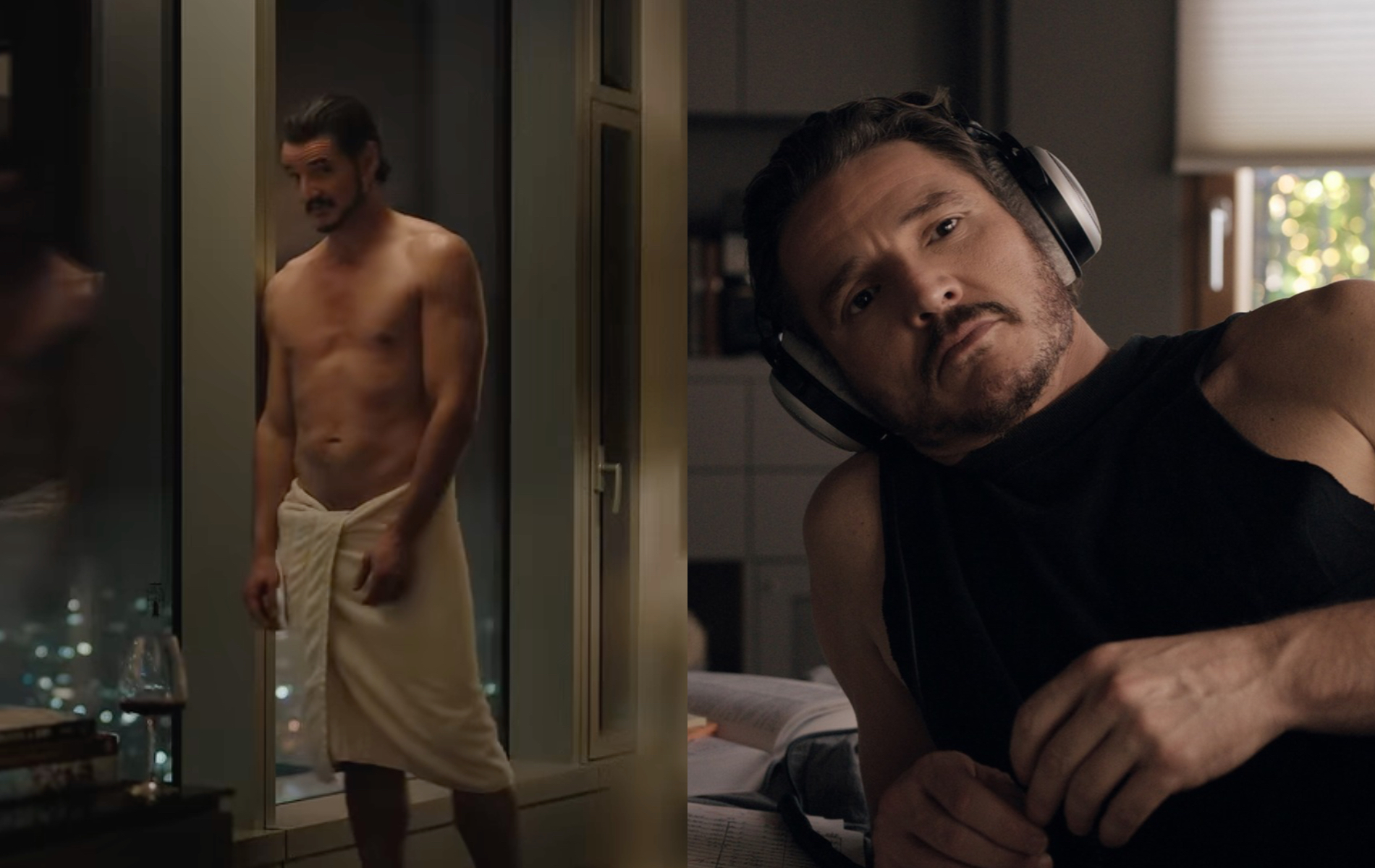 Behemoth! trailer has fans thirsty for Pedro Pascal: ‘How am I supposed to survive’
 ‘Behemoth!’ Review: Pedro Pascal Hits All The Right Notes In Tony Gilroy’s Lyrical Love Letter To The Music Of The Movies – New York Film Festival
Christine Vachon on Why Landing Pedro Pascal to Replace Joaquin Phoenix in ‘De Noche’ Gave Todd Haynes the ‘Happy Ending’ He Deserved
Alex Serian’s musical journey reflects the shifting landscape of classical music careers in the 21st century. Orchestras face financial challenges, and even virtuosos supplement their income by participating in movie score recordings, an industry with its own rigorous demands and perfectionism. The film captures the intense atmosphere of recording sessions, where conductors act as exacting figures akin to corporate overseers, highlighting the intersection of art and commercial enterprise.
Behemoth! also delves into the complexities of Alex’s personal life, marked by strained family relationships and romantic entanglements. The character’s background as a child prodigy from a musically prestigious family adds layers to his internal conflicts, illustrating how early promise can shadow adult instability.
The narrative structure employs a playful and somewhat unconventional approach, with Gilroy weaving scenes of score recording that double as the film’s own soundtrack. This meta-cinematic technique, supported by contributions from a collective of acclaimed composers including James Newton Howard and Alan Silvestri, blurs the lines between diegetic and non-diegetic music, enriching the storytelling.
However, the film’s non-linear timeline and subtle shifts between locations and relationships may pose interpretive challenges. Events involving characters such as Nadia, a virtuoso violinist and Alex’s romantic interest, unfold in a manner that demands careful attention to chronology and emotional cues, which some viewers might find elusive.
Supporting roles, such as Will Arnett’s portrayal of Alex’s brother, provide additional texture to the film’s exploration of familial dynamics and personal doubt. Meanwhile, Olivia Wilde plays Carol, a complex figure whose intense presence adds tension and ambiguity to Alex’s romantic life.
Set primarily between Chicago and Los Angeles, Behemoth! situates its story within two major hubs of the music and entertainment industries, reflecting the protagonist’s professional and personal migrations. The film’s title, derived from a fictional movie score Alex records, remains enigmatic, mirroring the protagonist’s own uncertain path.
Behemoth! represents Gilroy’s return to directing after more than a decade and follows his recent success as the creator and showrunner of the Star Wars series Andor. The film combines his interest in intricate character studies with an experimental approach to narrative and form, though it stops short of achieving the emotional and perceptual depth seen in some prior classical music dramas.
Overall, Behemoth! offers a rare glimpse into the nuanced world of classical musicianship intersecting with Hollywood’s film-scoring industry. While its narrative ambitions and formal playfulness invite reflection, the film ultimately emerges as a midlife crisis story framed by a richly textured musical milieu, anchored by Pascal’s compelling embodiment of a virtuoso adrift in both art and life.
Full story & global impact
This article was synthesized and rewritten by MusicTop Editorial from reporting published by variety.com. Read the publisher's report for the complete source context.
Read original source: variety.com