‘Durga Swarotsav’ concludes with celebration of classical arts
Published October 11, 2026 · CLASSICAL
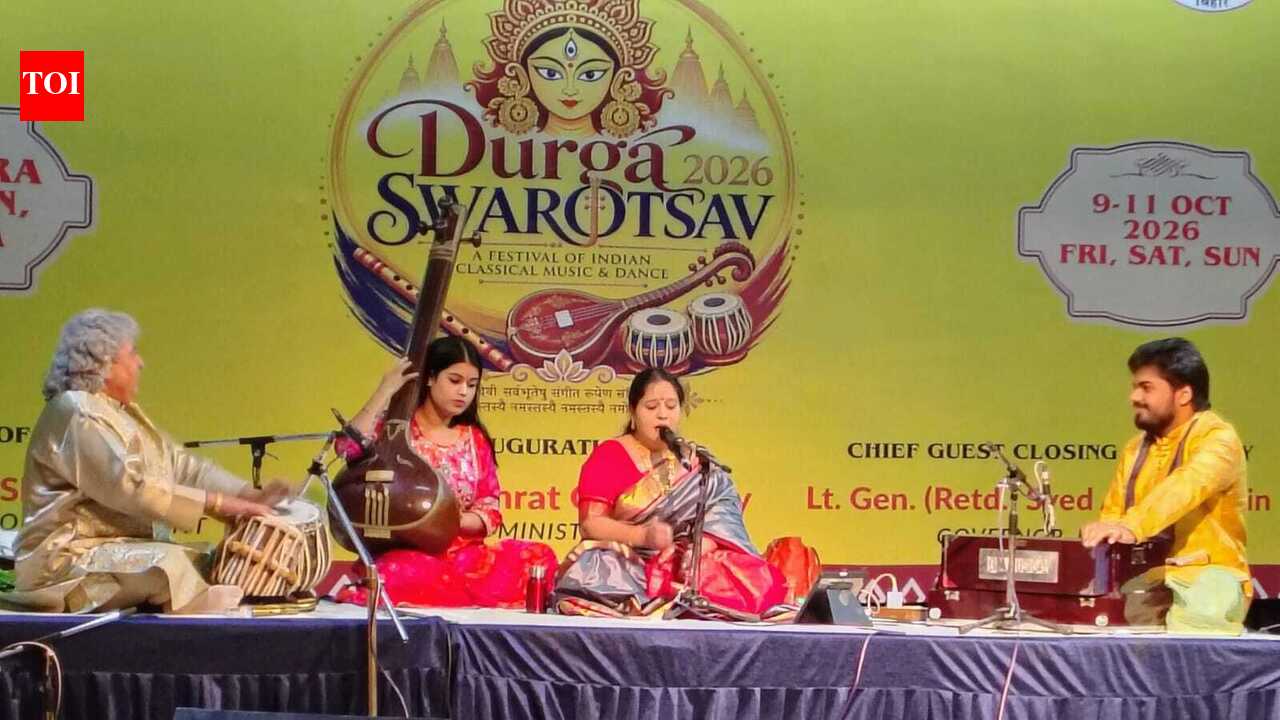
Durga Swarotsav 2026 ends in Patna at Ravindra Bhawan, featuring Hindustani classical music, Bharatanatyam and Purulia Chhau; governor attends finale.
The cultural festivity Durga Swarotsav 2026 reached its culminating event at Ravindra Bhawan in Patna, marking a vibrant celebration of India's classical heritage. The finale brought together an array of art forms, prominently featuring performances in Hindustani classical music, along with traditional dance styles Bharatanatyam and Purulia Chhau.
The event underscored the continued relevance and appreciation of classical arts within contemporary cultural landscapes. By integrating diverse disciplines, the festival offered audiences an immersive experience reflecting the depth and variety of Indian artistic traditions.
Hindustani classical music, a cornerstone of North Indian cultural expression, was a highlight of the evening. The performances showcased the intricate melodic structures and emotive power characteristic of this genre, providing a platform for both established artists and emerging talents.
Complementing the musical presentations were dance performances rooted in classical and regional traditions. Bharatanatyam, known for its precise gestures and storytelling through rhythm, brought a South Indian classical dance narrative to the stage. Meanwhile, Purulia Chhau, a dynamic folk dance from West Bengal with martial and tribal origins, added a vigorous and theatrical dimension to the program.
The presence of the state governor at the concluding ceremony emphasized the institutional recognition and support for cultural preservation and promotion. This attendance highlighted the event's significance beyond entertainment, positioning it as a key moment for cultural diplomacy and artistic endorsement within Bihar.
Durga Swarotsav's programming strategy, combining multiple art forms, reflects a broader trend in Indian cultural festivals aiming to present an integrated vision of the arts. Such events serve as crucial platforms for sustaining traditional art forms, fostering cross-regional artistic exchange, and nurturing public engagement.
While detailed information about individual performers and specific repertoires remains limited, the festival’s overall structure points to a carefully curated effort to balance classical purity with accessible presentation.
The choice of Ravindra Bhawan as the venue aligns with its reputation as a hub for cultural activities in Patna, providing an appropriate setting for showcasing artistic excellence and facilitating audience interaction.
As Durga Swarotsav 2026 closed its chapter, it reaffirmed the enduring appeal and cultural importance of classical music and dance in India’s diverse artistic ecosystem. The festival not only celebrated established traditions but also contributed to their ongoing vitality in the public sphere.
According to reports from timesofindia.indiatimes.com, the event successfully engaged attendees and dignitaries alike, underscoring the role of such festivals in sustaining India's rich classical arts heritage.
Full story & global impact
This article was synthesized and rewritten by MusicTop Editorial from reporting published by timesofindia.indiatimes.com. Read the publisher's report for the complete source context.
Read original source: timesofindia.indiatimes.com