London Film Festival round-up: a five-star weepie, a sweeping Spanish epic and a misspent youth in post-punk Manchester
Published October 23, 2026 · CLASSICAL
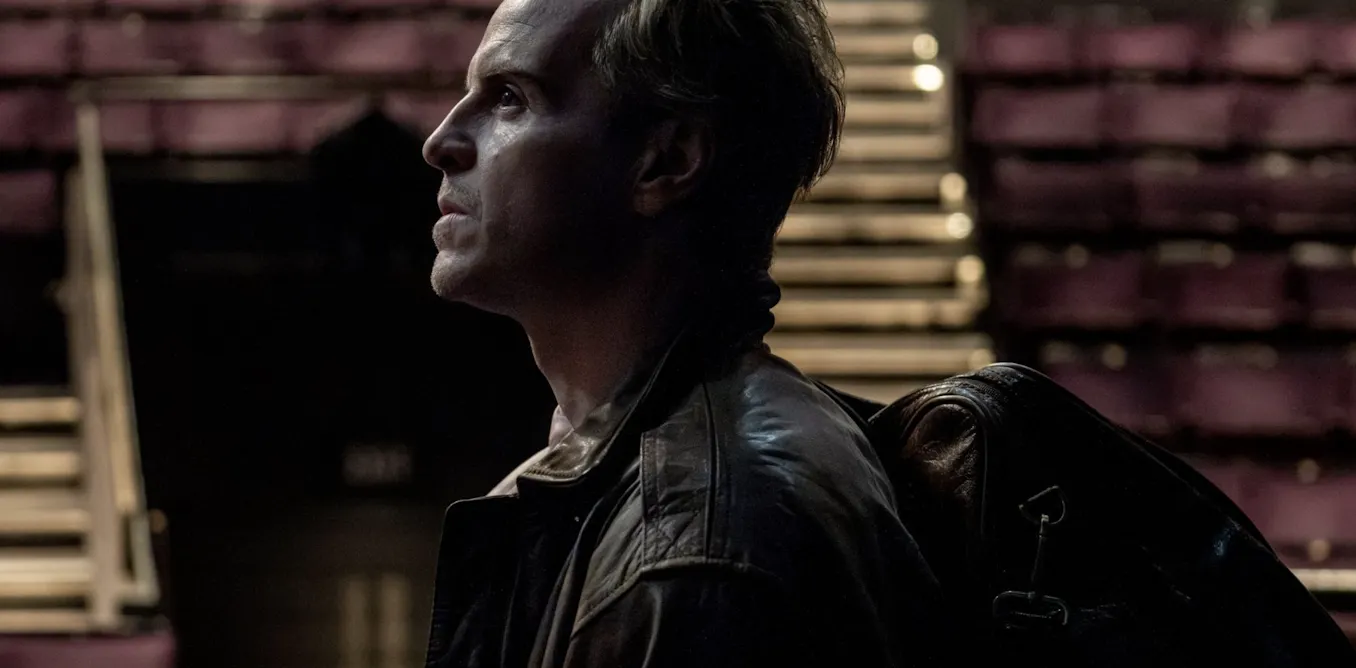
This year’s festival showcased a slate of exceptional films, but there were a few big director misfires too.
The annual London Film Festival, hosted by the British Film Institute, once again presented a diverse lineup of films reflecting a broad spectrum of cinematic storytelling. Spanning ten days and venues across London and the UK, the event offered a platform for both celebrated filmmakers and emerging voices to explore themes ranging from personal tragedy to political upheaval.
Opening the festival was Simon Stone’s Elsinore, a biographical drama centered on the Scottish actor Ian Charleson during his final performance as Hamlet in 1989. Charleson, recognized for his acclaimed role in Chariots of Fire, was battling AIDS during this period, and the film poignantly intertwines his personal health struggle with the existential torment of the Shakespearean character. Andrew Scott’s portrayal anchors the film with a deeply felt, emotionally charged performance, positioning Elsinore as a probable frontrunner in the British Oscars race.
Related stories
Sergei Loznitsa’s ‘Imperium’ Wins Best Film at BFI London Film Festival
 ‘Cameron Winter At Carnegie Hall’ Review: Paul Thomas Anderson’s Concert Movie Captures The Grandeur And Intimacy Of An Esoteric Event – London Film Festival
 ‘Ray Gunn’ Review: Sam Rockwell And Scarlett Johansson Channel Bogie And Bacall In Brad Bird’s Nifty Sci-Fi/Film Noir Mashup – London Film Festival
Closing the festival was The Debut, a comedy directed by Jesse Eisenberg that contrasts the solemnity of Elsinore with an uplifting narrative about a timid housewife who rediscovers her confidence through community theatre. Julianne Moore leads the cast, embodying the subtle transformation of her character from vulnerability to empowerment as she embraces the stage.
Another significant entry was La Bola Negra by Javier Calvo and Javier Ambrossi, a historical drama that interlaces three timelines. It follows a playwright uncovering his grandfather’s complicated legacy as a reluctant fascist combatant during the Spanish Civil War, while also revisiting the lost theatrical work of Federico García Lorca, a renowned gay socialist poet and dramatist executed early in the conflict. This film underscores the entanglement of political idealism, queer identity, and artistic expression against a backdrop of historical violence and memory.
Pedro Pascal headlined Behemoth!, a Hollywood premiere that, while set in the classical music world reminiscent of Tár, adopts a lighter tone focusing on a cellist’s midlife crisis. The film’s strength lies in its eclectic musical score and Olivia Wilde’s notably dynamic supporting role, which critics highlighted.
The festival also spotlighted Carol Morley’s semi-autobiographical 7 Miles Out, praised for its vivid depiction of post-punk Manchester, contrasting sharply with the poorly received Klara and the Sun. Taika Waititi’s adaptation of Kazuo Ishiguro’s novel was criticized for transforming a nuanced meditation on artificial intelligence and human connection into a farcical interpretation, losing the original’s emotional resonance.
Several films struggled to effectively convey their complex subject matter. Danny Boyle’s Ink, which dramatizes Rupert Murdoch’s acquisition of The Sun newspaper, was noted for its frenetic style yet criticized for its lack of coherent focus on the significant socio-political shifts it attempted to portray. Similarly, Primetime’s exploration of NBC’s To Catch a Predator reality series failed to meet expectations, and Cristian Mungiu’s Fjord, dealing with a Romanian family’s experience in Norway, was seen as slow and underwhelming despite its Cannes acclaim.
Balancing political commentary with compelling drama, Andrew Garfield starred in Artificial, depicting OpenAI co-founder Sam Altman in a morally ambiguous light as the architect of artificial intelligence’s darker implications. Martin McDonagh’s Wild Horse Nine, set in 1973 Chile, combined dark comedy with historical intrigue through the story of two CIA agents involved in covert operations aimed at destabilizing the Allende government.
Finally, Korean director Lee Chang-dong’s Possible Love offered a quietly powerful counterpoint to the festival’s grander narratives. Its intimate focus on a documentary filmmaker’s attempt to capture the story of a laid-off worker’s struggle brought forth themes of class, family, and resilience with subtlety and emotional depth, demonstrating the potency of restrained storytelling.
Overall, this year’s London Film Festival presented a rich tableau of cinematic works ranging from emotionally charged biopics and politically charged historical dramas to intimate character studies and uneven adaptations. While some films stood out for their artistic and thematic achievements, others highlighted the challenges of translating complex contemporary issues into compelling cinema, offering both promise and caution for the industry moving forward.
Full story & global impact
This article was synthesized and rewritten by MusicTop Editorial from reporting published by theconversation.com. Read the publisher's report for the complete source context.
Read original source: theconversation.com