Baby orangutans in India expose illegal wildlife trade
Published October 26, 2026 · CLASSICAL
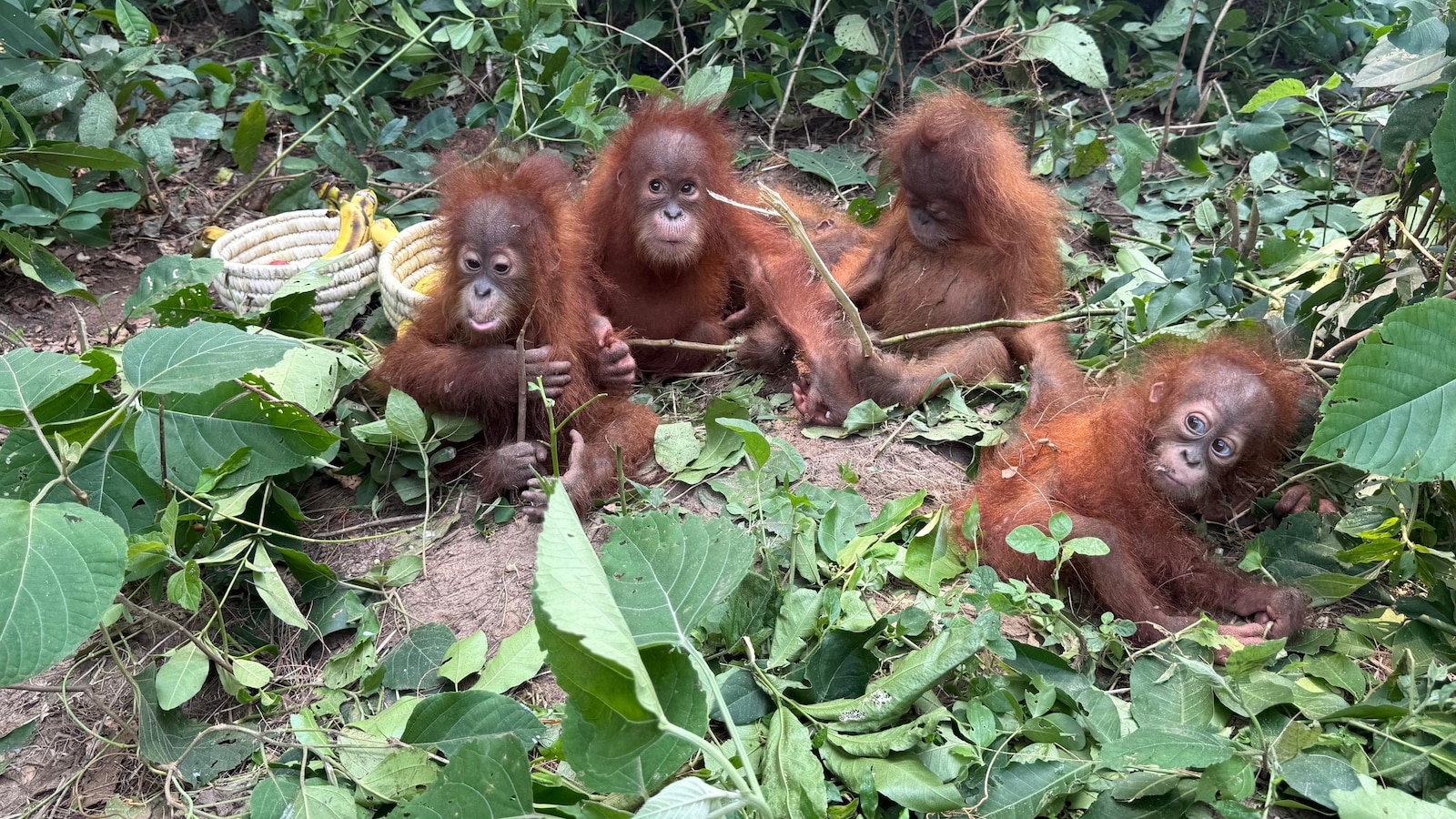
The discovery of five baby orangutans abandoned on a plantation in eastern India is highlighting the country’s growing role as a destination for trafficked apes
The recent abandonment of five infant orangutans on a plantation in Odisha, eastern India, has cast a spotlight on the country's expanding involvement in the illicit wildlife trade involving Southeast Asia’s endangered apes. These juveniles, identified as three males and two females aged between six and eight months, were discovered far from their natural habitats in the rainforests of Borneo and Sumatra, underscoring a troubling trend of illegal trafficking into India.
Orangutans are native exclusively to Indonesia’s islands of Borneo and Sumatra, playing a critical ecological role by dispersing seeds that support forest regeneration and carbon sequestration. However, their populations have plummeted due to habitat destruction, leaving approximately 119,500 individuals in the wild, according to conservation organizations. The trafficking of these primates not only threatens their survival but also disrupts the delicate rainforest ecosystems they help sustain.
Related stories



The global illegal wildlife trade, valued at an estimated $34 billion annually, has seen India emerge as a significant market for exotic species. Despite legislation tailored primarily to protect indigenous animals such as elephants and tigers, India’s regulatory framework has struggled to address the influx of trafficked non-native animals. This regulatory gap has facilitated a burgeoning demand among affluent collectors for rare and exotic species, including orangutans, who view such animals as symbols of status.
Authorities have documented multiple seizures of orangutans and other primates in recent years. Notably, two juvenile orangutans were intercepted in 2022 between the northeastern states of Assam and Mizoram, followed by further rescues in Mizoram and Mumbai in subsequent years. Additionally, a significant confiscation of at least 23 gibbons at Indian airports in 2025 reflects the scale of this illegal trade network. International interceptions have revealed sedated baby chimpanzees destined for India, emphasizing the transnational nature of the trafficking routes.
Experts attribute the rise in India as a destination for primates to several factors, including expanding international connectivity. Increased air traffic linking India with Southeast Asian cities such as Bangkok and Kuala Lumpur has created faster, albeit riskier, channels for traffickers compared to traditional overland methods. The high profit margins involved allow traffickers to absorb substantial losses while maintaining lucrative operations.
Legal ambiguities further complicate enforcement. While the commercial trade of wild orangutans is broadly banned under international agreements, exceptions exist for captive-bred specimens. According to the Convention on International Trade in Endangered Species of Wild Fauna and Flora (CITES), India imported 41 orangutans from 2021 to 2024. However, wildlife authorities and experts express skepticism regarding the legitimacy of these captive-bred claims, highlighting potential loopholes and corruption that could facilitate illegal imports disguised as legal transactions.
India introduced an exotic animal registration system in 2020, partly motivated by zoonotic disease concerns amid the COVID-19 pandemic. This online platform allows owners to report births, deaths, and breeding of non-native species. Despite this step, limited governmental resources and expertise hinder effective verification and inspection, creating opportunities for trafficked animals to be falsely documented.
In response to growing challenges, India enhanced its wildlife laws in 2022, granting enforcement agencies stronger powers to confiscate illegally traded animals and prosecute offenders. Nevertheless, conservationists warn that the momentum of trafficking had already accelerated, making reversal difficult.
The fate of the rescued orangutans remains uncertain. They currently reside in an Indian zoo where caretakers employ classical music to calm the traumatized infants, who likely lost their mothers to poaching. While Indonesia’s Forestry Ministry has initiated efforts to verify and repatriate these animals, only one orangutan has been successfully returned from India to date, highlighting the complexity of cross-border conservation collaborations.
Controversy surrounds private wildlife facilities in India, notably the Vantara center, owned by a prominent industrial family. Although cleared by the Supreme Court of India of trafficking allegations, Vantara’s extensive acquisition of thousands of animals, including rare great apes like the critically endangered Tapanuli orangutan, has drawn international scrutiny. This species, native to a restricted area in Sumatra with fewer than 750 individuals remaining, is of particular concern due to its precarious conservation status and the dubious legality of its presence in India.
Investigations into the origins and transfer routes of these exotic animals remain ongoing, with Indonesian authorities actively seeking to confirm the authenticity of species records and documentation. The opaque nature of these transactions and the potential involvement of corruption underscore the urgent need for strengthened international cooperation and regulatory oversight.
The growing evidence of India’s role as a major destination in the illegal primate trade underscores a broader crisis at the intersection of biodiversity loss, escalating demand for exotic pets, and organized criminal networks. Addressing this multifaceted challenge will require coordinated efforts spanning legal reform, law enforcement, public awareness, and cross-border conservation initiatives to safeguard these iconic species for future generations.
Full story & global impact
This article was synthesized and rewritten by MusicTop Editorial from reporting published by abcnews.com. Read the publisher's report for the complete source context.
Read original source: abcnews.com