How to Compromise With Purpose
Published October 26, 2026 · CLASSICAL
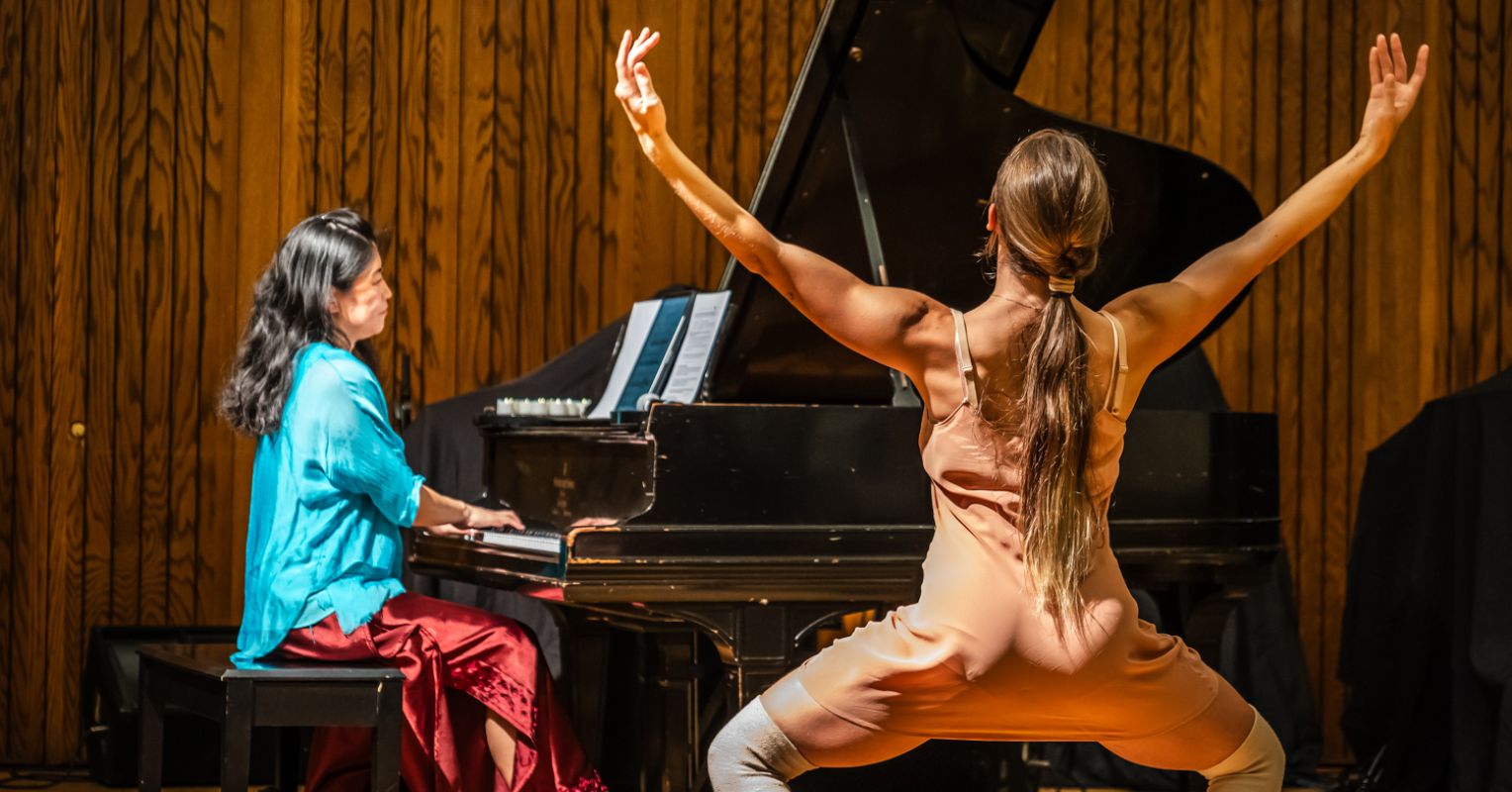
Compromise artistically when you face complex situations.
In an era marked by complexity and high stakes, the concept of compromise often suffers from a poor reputation, perceived as a concession or a weakening of standards. However, a deeper examination reveals it to be an essential skill—an art of negotiation and adaptation that enables progress amid constraints. This nuanced understanding recently took center stage in a performance titled "The Compromise of Space," which drew inspiration from classical music to explore how compromise functions in both artistic and everyday contexts.
The performance, crafted by Steinway Artist Hsing-ay Hsu and choreographer Caroline Frank, featured three carefully selected musical pieces that served as a framework for examining how individuals navigate tension and limitation. Hsu, who is also an educator with experience at New York City Public Schools, the Kaufman Music Center, and the University of Colorado, has used her platform to reflect on how music can model the cognitive processes involved in compromise.
Related stories

Central to this exploration is the recognition that compromise is not simply about settling for less but rather about engaging creatively with opportunities and constraints to achieve a balanced resolution. This approach parallels psychological concepts such as cognitive restructuring, where individuals reframe their thoughts to adapt to challenging circumstances. Similarly, in spiritual practices and artistic disciplines like piano performance and composition, ongoing effort refines one’s capacity to negotiate internal desires and external realities, fostering emotional maturity.
The performance included two notable pieces: Bach/Siloti’s Prelude in B minor and Brandon Vaccaro’s "Insomnia," both accompanied by Frank’s original choreography. These works illustrate the layers of complexity inherent in artistic expression and highlight how focusing on different musical elements mirrors the process of finding compromise amid competing demands. The act of listening itself becomes a metaphor for selective engagement, where attention is consciously directed to navigate a rich array of stimuli.
This artistic inquiry resonates with broader societal challenges where rigid adherence to ideals can hinder cooperation and problem-solving. In a world of interconnected systems and nuanced social dynamics, the refusal to compromise can generate blind spots that undermine relationships, governance, and collective survival. The delicate balance of "49/51" scenarios—where choices are rarely perfect but require selecting the lesser of two evils—is emblematic of contemporary dilemmas, as depicted in popular narratives like the TV series "The Diplomat."
Hsu’s performance underscores that cultivating the skills to compromise thoughtfully is not a matter of chance but the result of deliberate practice. Engaging regularly with music that embodies intentional communication enhances one’s ability to perceive multiple perspectives and identify points of engagement. This process fosters a long-term transformation that extends beyond immediate circumstances, enriching the individual’s cognitive and emotional repertoire.
The significance of this exploration lies in its demonstration that compromise is integral to artistic craftsmanship and human development alike. Whether through mastering a piano piece, composing music, or navigating interpersonal relationships, the capacity to balance competing interests and adapt flexibly is a vital component of resilience and growth.
While details about the full scope of the performance and its reception remain limited, the conceptual link between classical music and the psychology of compromise offers a compelling framework for understanding how art can illuminate complex human experiences. Hsing-ay Hsu’s role as an artist and educator positions her uniquely to bridge these domains, inviting audiences to reconsider compromise not as a loss but as a creative and purposeful act essential to progress.
Full story & global impact
This article was synthesized and rewritten by MusicTop Editorial from reporting published by psychologytoday.com. Read the publisher's report for the complete source context.
Read original source: psychologytoday.com