How the Galileo musical’s composer sets science to a score on Broadway
Published November 25, 2026 · CLASSICAL
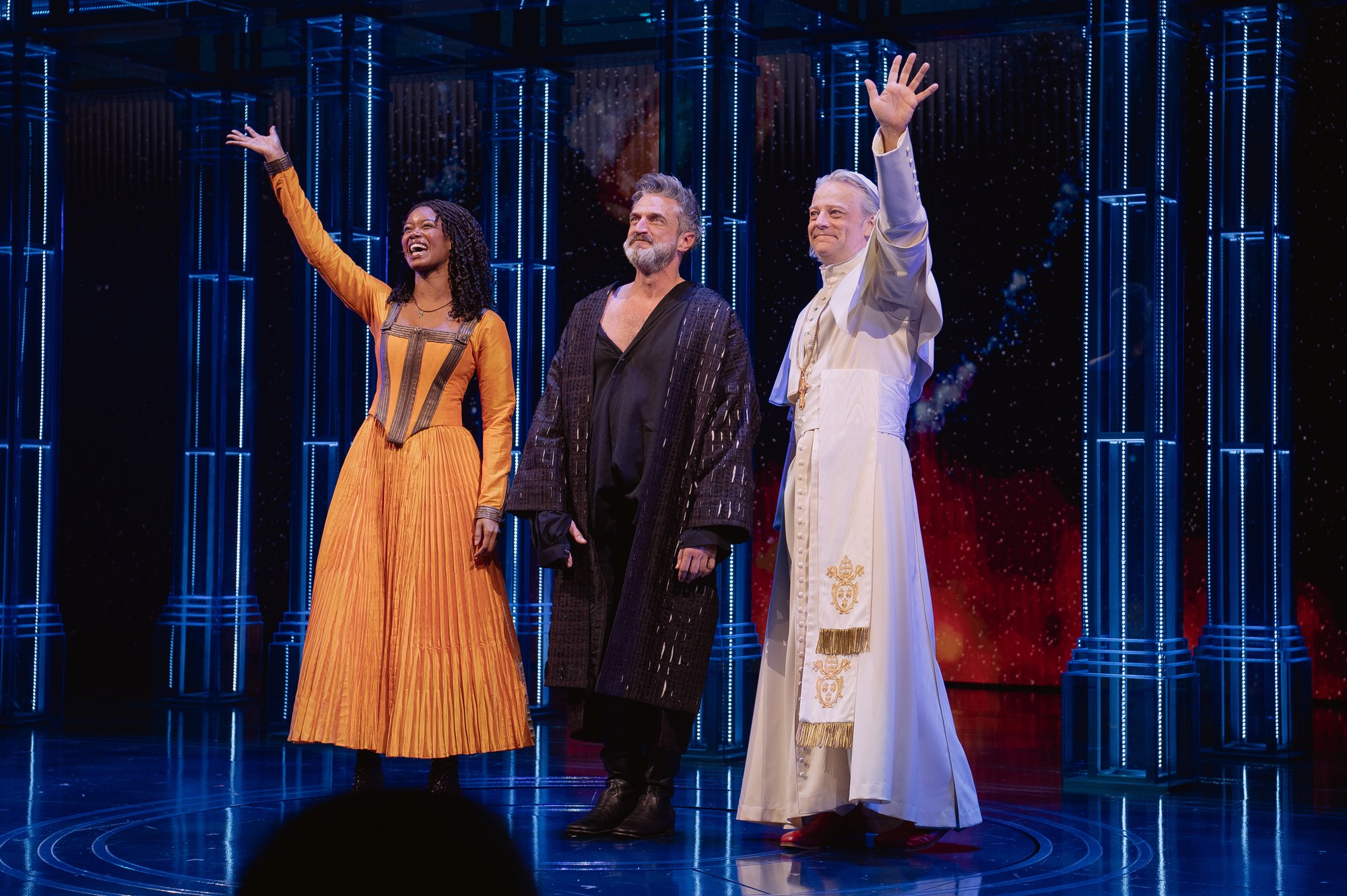
Composer Zoe Sarnak set Galileo Galilei’s story to the sound of rock and indie pop, and she’s working on another musical about the Higgs boson
A new Broadway musical titled Galileo, set to open on December 6, explores the life and work of astronomer Galileo Galilei through a unique blend of rock and indie pop music. The production emphasizes the tension between Galileo’s scientific discoveries and the opposition he faced from the Catholic Church. Composer Zoe Sarnak, working alongside Michael Weiner, crafted the score to capture the emotional and intellectual conflicts that defined Galileo’s life.
Galileo’s story is staged as a dramatic narrative highlighting his advocacy for heliocentrism and the resulting ecclesiastical backlash, including his relationship with Bishop Maffeo Barberini, who later became Pope Urban VIII. The musical portrays Galileo as a complex figure both of faith and rebellion, deploying varied musical styles to represent characters’ distinctive traits and perspectives.
Related stories
Sarnak has drawn on her background in molecular biology and music composition to inform her creative process. Her scientific training influenced her understanding of music’s layered structures, paralleling the complexity found in biological systems. This interdisciplinary approach shaped the musical’s sound and thematic depth, particularly in representing Galileo’s visionary outlook.
In developing the musical's auditory identity, Sarnak and Weiner gave each character a distinct musical style to mirror their roles and personalities. Galileo’s character is expressed through energetic, rebellious rock music that conveys his fearless challenge to established authority. Meanwhile, his daughter Virginia’s music evolves from youthful optimism to mature resilience, reflecting her intellectual strength in the face of adversity. The Church’s influence is rendered through chamber classical arrangements featuring strings, blending traditional sacred music with a modern sensibility to represent Barberini’s progressive yet conflicted position.
Beyond Galileo, Sarnak is actively developing additional musicals centered on scientific themes. One project, Particle Fever, adapts a documentary about the discovery of the Higgs boson, aiming to translate complex physics into an immersive theatrical experience. Its score contrasts with Galileo by combining intricate, pointillist musical details with grand orchestral moments to illustrate the vast scope from subatomic particles to cosmic origins.
Another forthcoming work is a stage adaptation of the film A Beautiful Mind, further reflecting Sarnak’s commitment to exploring scientific narratives through musical theater. This emphasis on STEM subjects represents a distinct creative era for her, merging her scientific interests with her artistic career.
Sarnak views science-themed musicals as relevant in contemporary culture because they engage with timeless questions about truth, progress, and the confrontation between new ideas and existing power structures. Her work seeks to humanize scientists, revealing their creative and visionary qualities through the expressive possibilities of music and theater.
The choice to portray Galileo as a rock star aligns with his historical image as a bold, unyielding figure. This musical treatment draws inspiration from artists known for challenging authority through music, likening Galileo’s defiance to the rebellious energy of punk rock.
By situating scientific stories within the theatrical realm, Sarnak’s projects illuminate the emotional stakes behind intellectual discovery and scientific pursuit. This approach not only educates audiences but also emphasizes the universal human drive to explore and innovate, framing science as a deeply creative endeavor.
The production of Galileo and related projects may also have implications for the musical theater landscape, potentially expanding the genre’s thematic range and audience appeal. Presenting scientifically rich narratives on Broadway could diversify the types of stories told and attract new demographics interested in science and technology.
Sarnak’s dual expertise in science and music offers a distinctive voice in musical theater composition, positioning her as a unique contributor to contemporary works that bridge disciplines. This blend of backgrounds enables her to craft authentic and compelling portrayals of scientific figures and concepts.
While the exact commercial impact and touring plans for Galileo and the upcoming science-themed musicals remain unconfirmed, the commitment to these projects indicates a sustained interest in integrating scientific subjects into mainstream culture through the arts.
Full story & global impact
This article was synthesized and rewritten by MusicTop Editorial from reporting published by scientificamerican.com. Read the publisher's report for the complete source context.
Read original source: scientificamerican.com