Jazz: A Gift of Musical Freedom, Born in the USA, and Exported to the World
Published June 20, 2026 · EUROPA
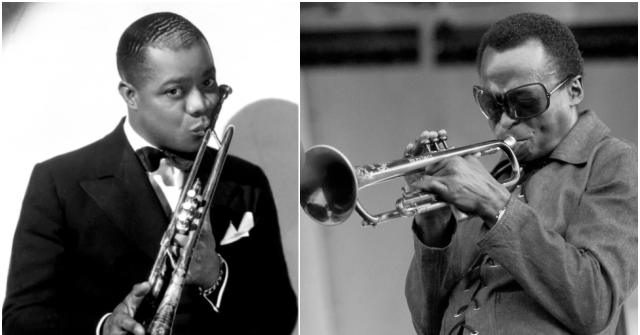
It is without dispute that America invented the musical genre known as "jazz" and spent the entire 20th century exporting it across the world. The post Jazz: A Gift of Musical Freedom, Born in the USA, and Exported to the World appeared first on Breitbart.
Jazz stands as a uniquely American creation whose influence has stretched far beyond its origins. Rooted in the cultural and historical landscape of the United States, this genre emerged as a distinctive expression of musical freedom. Over the course of the 20th century, jazz transcended national boundaries, becoming an international phenomenon embraced worldwide.
The genesis of jazz is widely recognized as an American innovation. Its early development combined elements from African rhythms, blues, ragtime, and European musical traditions, coalescing in urban centers such as New Orleans. This synthesis produced a new sound characterized by improvisation, syncopation, and a distinctive swing feel.
Related stories
 Boston Celtics owners donate over $200 million to children's hospital after one billionaire couple's $100 million pledge inspired others to match their gift; the money will fund mental health care, medical research and nursing training
GiftMe Faces Social Media Backlash After Issuing Cease & Desist To Influencer
 The ultimate gift guide for music lovers
Throughout the 1900s, jazz evolved through various phases, including Dixieland, swing, bebop, cool jazz, and fusion, each embodying shifts in artistic approaches and reflecting broader social changes. The genre’s adaptability and openness to innovation have been central to its enduring appeal.
Beyond its artistic significance, jazz functioned as a cultural export during much of the 20th century. American musicians, recordings, and broadcasts helped disseminate jazz globally, influencing music scenes in Europe, Asia, and beyond. This exportation not only spread the sounds but also the cultural values associated with creativity, expression, and freedom.
Jazz’s international reach has led to diverse interpretations and local adaptations. Various countries have incorporated jazz elements into their indigenous music traditions, creating hybrid forms that honor the genre’s roots while fostering new musical dialogues.
The genre’s role as a symbol of freedom resonates strongly with its improvisational nature. Musicians often use jazz as a platform to explore personal and political expression, making it a dynamic art form that reflects the complexities of society.
While the historical narrative of jazz’s American origin is well established, details about specific milestones, key figures, and landmark recordings remain limited in the available information. Likewise, the intricate pathways through which jazz spread globally warrant further detailed investigation.
Nevertheless, it is clear that jazz represents more than a music style; it is a cultural artifact that encapsulates the spirit of innovation and liberty. Its journey from American streets to global stages underscores the power of artistic creation to bridge diverse cultures and eras.
Today, jazz continues to inspire musicians and audiences worldwide, maintaining its relevance through ongoing evolution and reinterpretation. Its legacy as an American musical gift with universal resonance is firmly entrenched in the history of modern music.
Full story & global impact
This article was synthesized and rewritten by MusicTop Editorial from reporting published by NewsAPI (original source unavailable). Read the publisher's report for the complete source context.
Original source link unavailable · Source: NewsAPI (original source unavailable)