The 80s cars that we idolised
Published July 8, 2026 · EUROPA
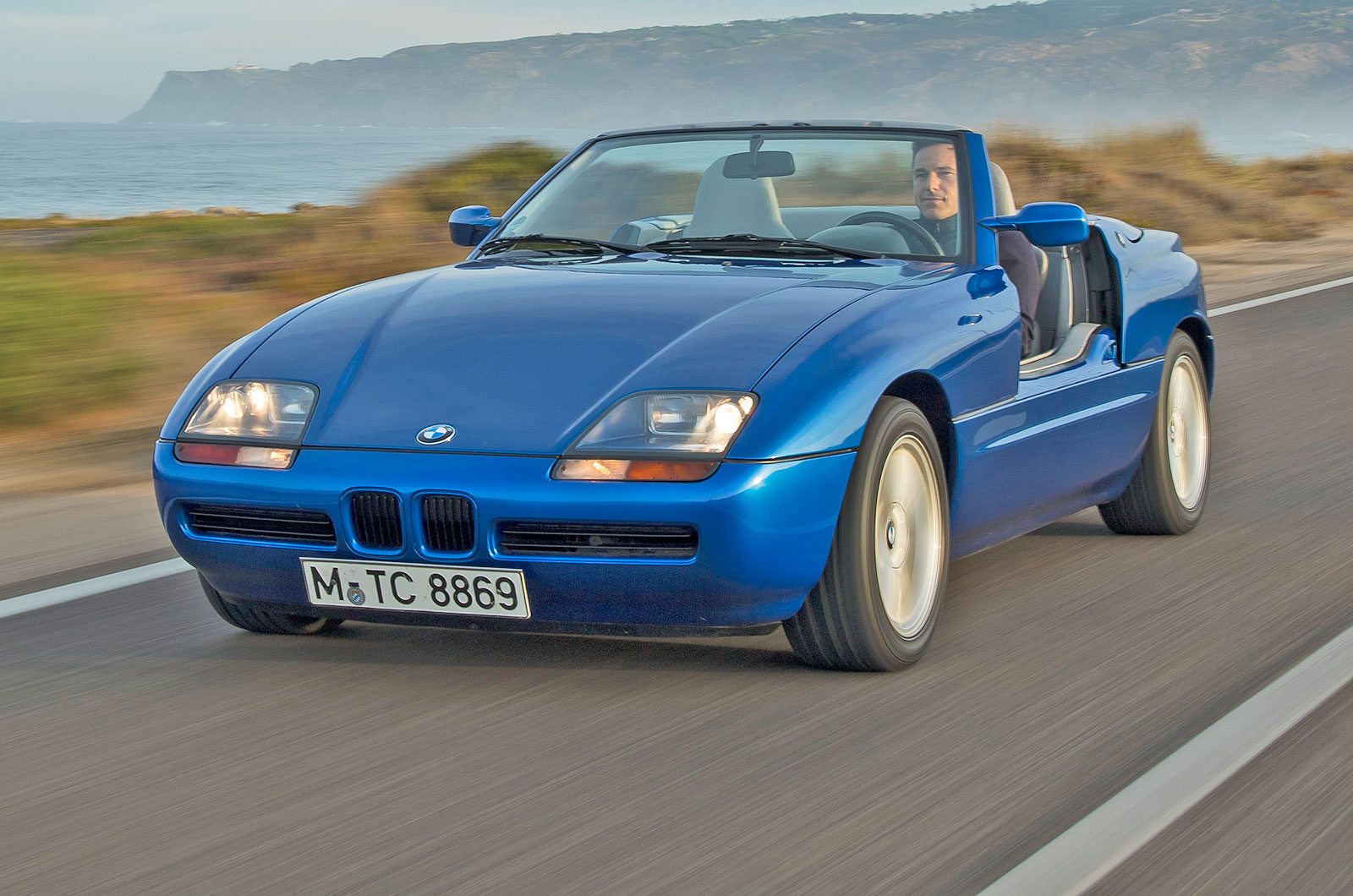
The 80s was a time of great music, quirky fashion and some downright brilliant cars - prepare for nostalgia Big hair, shoulder pads, Ronnie & Maggie… and some amazing cars that often caught the zeitgeist. Here’s the selection that we think firmly hold…
The 1980s stand out as a transformative era for automotive enthusiasts, blending innovation, style, and performance that left a lasting imprint on car culture. This decade witnessed the emergence of vehicles that not only captured the spirit of the times but also pushed the boundaries of engineering and design.
Porsche played a pivotal role in making sports cars more accessible during this period. The Porsche 924, produced between 1976 and 1986, marked a significant chapter for the marque with over 150,000 units sold. It provided an entry point into Porsche ownership, distinguished by solid build quality without the premium price tag of the legendary 911. The evolution continued with the introduction of the Porsche 944 in 1982. Despite sharing visual cues with its predecessor, the 944 was crafted with a sharper focus on driving dynamics and offered various iterations, including the 944 Turbo, all featuring signature pop-up headlights and a sporty 2+2 configuration. Its production run until 1991 saw sales surpassing 173,000 cars, underscoring its success.
Related stories


BMW’s E30 M3 emerged as a hallmark of performance in the hot hatch segment. Released during a time when sophisticated electronics were sparse, it relied on a straightforward yet potent 2.3-litre four-cylinder engine producing around 200 horsepower. Its light weight and rear-wheel-drive setup facilitated agile handling, making it a favorite among driving purists. The M3’s distinctive muscular styling, highlighted by flared arches and a prominent rear spoiler, helped it cultivate a dedicated following that endures today.
Audi’s bold decision to integrate four-wheel drive into a family car led to the birth of the influential Audi Quattro. Initially a risky concept, the Quattro combined the Audi 80’s body with a military-grade drivetrain, revolutionizing rally racing and road car performance alike. Its success in securing 23 world rally championships cemented its status as a technological trailblazer. Notably, the production Quattro could accelerate to 62 mph in just 6.3 seconds, rivaling more traditionally sporty models.
The Peugeot 205 GTi became synonymous with spirited driving in a compact form. Launched in 1984, it initially featured a 1.6-litre engine that evolved into a 1.9-litre powerhouse by 1986, delivering up to 128 horsepower. Weighing under 900 kg, the 205 GTi was nimble and quick, capable of completing the 0-62 mph sprint in under eight seconds and reaching a top speed of 127 mph. Its finely tuned chassis allowed for dynamic cornering behavior, including lift-off oversteer, which endeared it to enthusiasts.
Renault's 5 GT Turbo entered the scene slightly later, boasting a turbocharged 115 horsepower engine that outpaced some contemporaries in acceleration. Priced competitively in the mid-1980s, it provided an accessible performance option, though its tunability sometimes led to misuse and increased accident rates. The Renault 5 GT Turbo's presence in media, including a notable 1986 television commercial, helped highlight its capabilities and appeal.
Volkswagen continued its hot hatch legacy with the Golf GTI Mk2. Though heavier than the Mk1, it improved power output with engine choices ranging from an 8-valve 1.8-litre to a more potent 16-valve variant producing 139 horsepower. The Mk2 GTI balanced performance with practicality, retaining the iconic twin-headlight design while enhancing driving refinement.
Ford's Escort RS Turbo represented a leap in hot hatch technology, featuring a turbocharged 132 horsepower engine and becoming the first front-wheel-drive car equipped with a limited-slip differential. Its sporty interior details, such as Recaro seats, complemented its dynamic prowess. The model also gained cultural significance when owned by Princess Diana, with her unique black edition fetching a record price at auction decades later.
In the realm of supercars, Ruf’s CTR Yellow Bird took performance to extraordinary heights. Revealed in 1987, this modified Porsche achieved a Nürburgring lap time just over eight minutes and hit a top speed of 211 mph, surpassing contemporaries like the Ferrari 288 GTO and Lamborghini Countach. Its lightweight construction and powerful twin-turbocharged engine showcased the potential of tuner prowess during the decade.
Ferrari’s F40, commemorating the company’s 40th anniversary in 1987, remains one of the most revered supercars ever produced. Powered by a twin-turbo V8 generating 478 horsepower, it combined lightweight design with raw power, enabling a 0-62 mph acceleration in just over four seconds and a top speed exceeding 200 mph. Its aggressive styling and performance set new standards for automotive excellence.
The Porsche 959 pushed technological boundaries with its advanced four-wheel-drive system, adaptive suspension, and composite materials. Limited to fewer than 300 units produced between 1987 and 1988, the 959 was a showcase of cutting-edge engineering, capable of reaching 62 mph in under four seconds and achieving a top speed of 197 mph, positioning it as one of the fastest cars of its time.
Ford’s Sierra RS Cosworth and its later RS500 variant combined turbocharged power and aerodynamic enhancements to compete effectively in touring car championships. With a 204 horsepower turbocharged engine driving the rear wheels through a limited-slip differential, the Sierra RS delivered brisk acceleration and distinctive styling elements like the whale-tail spoiler.
Beyond performance titans, the 1980s also saw the rise of practical yet innovative models. Fiat’s Panda, produced from 1980 to 2003, was designed as an affordable and efficient vehicle, later expanded with variants including four-wheel-drive versions that capitalized on the car’s lightweight architecture. Similarly, Honda’s CRX embodied a balance of economy and sportiness, offering multiple engine options including a high-revving VTEC that combined spirited driving with impressive fuel efficiency.
The decade also witnessed rally legends like the Lancia Delta Integrale, which dominated World Rally Championships with a turbocharged 2.0-litre engine and permanent four-wheel drive. Its success on the track translated to a celebrated road car version that continues to be highly regarded by enthusiasts.
In sum, the 1980s produced a remarkable array of vehicles that ranged from accessible sports cars and hot hatches to groundbreaking supercars and rally champions. These cars not only reflected the technological advancements and design philosophies of their era but also continue to inspire admiration and collectability among automotive aficionados worldwide.
Full story & global impact
This article was synthesized and rewritten by MusicTop Editorial from reporting published by autocar.co.uk. Read the publisher's report for the complete source context.
Read original source: autocar.co.uk