Australia’s AI copyright fight now has a datacentre price tag
Published July 13, 2026 · EUROPA
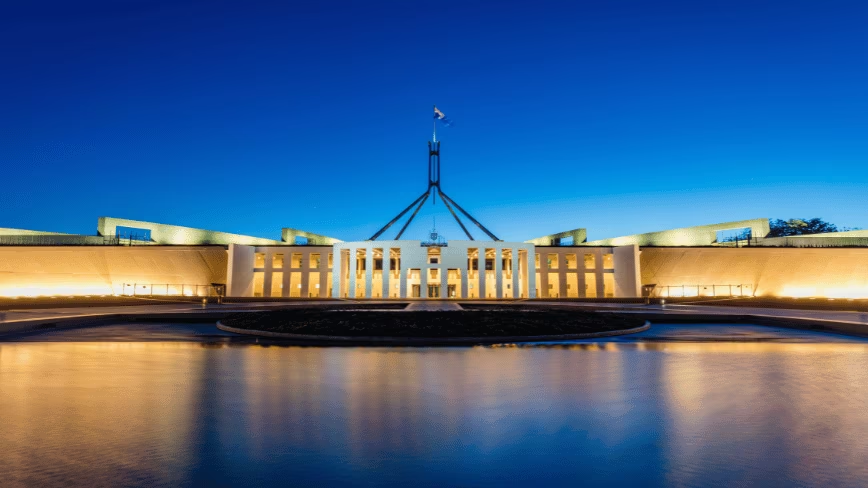
The fight over Australia AI copyright has a price tag: tens of billions in datacentres. The prize for AI firms is the right to train on the country’s books, music and journalism. Australia has become the latest test of a question every government now faces. H…
Australia is emerging as a pivotal arena in the global debate over artificial intelligence and copyright, where the stakes extend beyond legal frameworks to a sizable infrastructure investment. At the heart of the dispute is the right for AI developers to utilize Australian cultural assets—books, music, journalism—as training data for their models.
This evolving contest is now tied to the construction of datacentres valued in the tens of billions of dollars. These facilities are crucial for housing the computing power required to process and learn from vast troves of creative works. The financial magnitude underscores how governments and industries worldwide are grappling with the challenge of balancing intellectual property protections against the technological advances driving AI innovation.
Related stories



Australia’s position highlights the complexities faced by policymakers as they attempt to regulate AI without stifling the sector’s growth. The country's rich reservoir of copyrighted works attracts AI firms eager to incorporate diverse and high-quality data into their algorithms, which raises questions about fair compensation and rights holders’ control.
The controversy spotlights the music industry, among others, as a key stakeholder. Australian musicians and composers, whose works represent a significant portion of the data potentially used for AI training, have strong interests in how copyright laws evolve. Protecting their creative output while enabling AI advancements presents a nuanced policy dilemma.
Beyond music, the issue extends to Australian literature and journalistic content, all of which contribute to the cultural fabric that AI systems seek to learn from. The ability of AI companies to access and process these materials hinges on the legal frameworks governing copyright and data usage, making Australia a test case with global implications.
The investment in datacentres is not only a response to the demand for AI training capacity but also signals a broader economic opportunity. Hosting such infrastructure positions Australia as a competitive player in the AI landscape, attracting international technology firms and fostering a technology ecosystem.
However, the debate remains unresolved in many respects, with details about the specific agreements, regulatory measures, and compensation models still limited. The outcome of Australia’s approach could influence international norms and inspire other nations to reconsider how they balance creative rights with AI development.
As this discourse unfolds, it will be critical to monitor how legal precedents are set and how the music industry and other cultural sectors adapt. The interplay between intellectual property law and emerging AI technologies promises to be a defining issue for creative industries in the years to come.
In sum, Australia’s confrontation with AI copyright challenges represents a high-stakes intersection of technology, law, culture, and economics. The resulting decisions will shape not only the country’s digital infrastructure but also the global standards governing AI’s use of copyrighted content.
Full story & global impact
This article was synthesized and rewritten by MusicTop Editorial from reporting published by thenextweb.com. Read the publisher's report for the complete source context.
Read original source: thenextweb.com