Government urged by music groups and Danny O'Donoghue to back motion protecting musicians from AI
Published July 14, 2026 · EUROPA
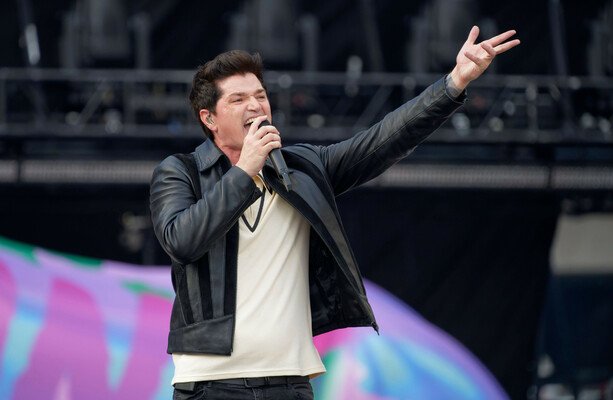
The motion calls for stronger copyright protections and fair pay for creators as artists warn their work is being used to train AI systems without consent.
A coalition of music industry representatives and prominent artists in Ireland has called on the government to advance legislation safeguarding musicians from unauthorized use of their work by artificial intelligence systems. This appeal, highlighted by contributions from well-known figures such as Danny O'Donoghue, stresses the urgency for reinforced copyright protections and equitable remuneration for creators.
The campaign emerges amid growing unease within the creative community about AI technologies that train on existing artistic content without obtaining consent from original creators. Musicians warn that their compositions and performances are being exploited as data inputs for machine learning models, potentially diluting the value of their intellectual property and threatening their income streams.
Related stories
‘Tokyo Vice’ Producer, Netflix Executive Urge Changes to Japan’s Production Incentive at MPA Seminar as Government Readies Unified Content Body
A formal motion submitted to the Irish government advocates for updated regulatory frameworks that address the nuances introduced by AI in content creation and distribution. The proposal emphasizes the necessity for clear legal recognition of artists' rights in an era where digital replication and algorithmic generation challenge traditional copyright boundaries.
Danny O'Donoghue, a noted figure in the Irish music scene, has lent his support to the initiative, underscoring the personal and professional stakes for artists who find their work repurposed without compensation or acknowledgement. His involvement has helped draw public and political attention to the issue, framing it as a critical step to protect creative livelihoods.
Industry groups backing the motion argue that current copyright laws are insufficient to tackle the complexities introduced by AI technologies. Without legislative action, musicians risk losing control over how their creations are used and profited from, which could undermine the sustainability of careers in music.
The debate touches on broader questions about the balance between innovation and intellectual property rights in the digital age. As AI tools become more prevalent in content production, the music sector is among the most vulnerable to unauthorized appropriation, prompting calls for proactive policy responses.
Details on the government's response to the motion remain limited, but the issue has sparked discussions within cultural and legal circles regarding the future of copyright enforcement. Stakeholders emphasize the importance of crafting laws that both foster technological advancement and uphold the rights and economic interests of artists.
This development in Ireland mirrors a global trend where creators across multiple disciplines seek stronger protections against the unregulated use of their work in AI training datasets. The movement reflects growing awareness of the need for transparency, fair compensation, and respect for creative ownership in an increasingly automated landscape.
As the conversation progresses, the Irish music community continues to advocate for measures ensuring that artists retain agency over their work and receive proper remuneration when their material contributes to AI-generated content. The outcome of this legislative push could set a precedent for how nations address the intersection of creative rights and emerging technologies in the years ahead.
Full story & global impact
This article was synthesized and rewritten by MusicTop Editorial from reporting published by thejournal.ie. Read the publisher's report for the complete source context.
Read original source: thejournal.ie