Berlin’s first drag march brings protest and pride to the streets
Published July 25, 2026 · EUROPA
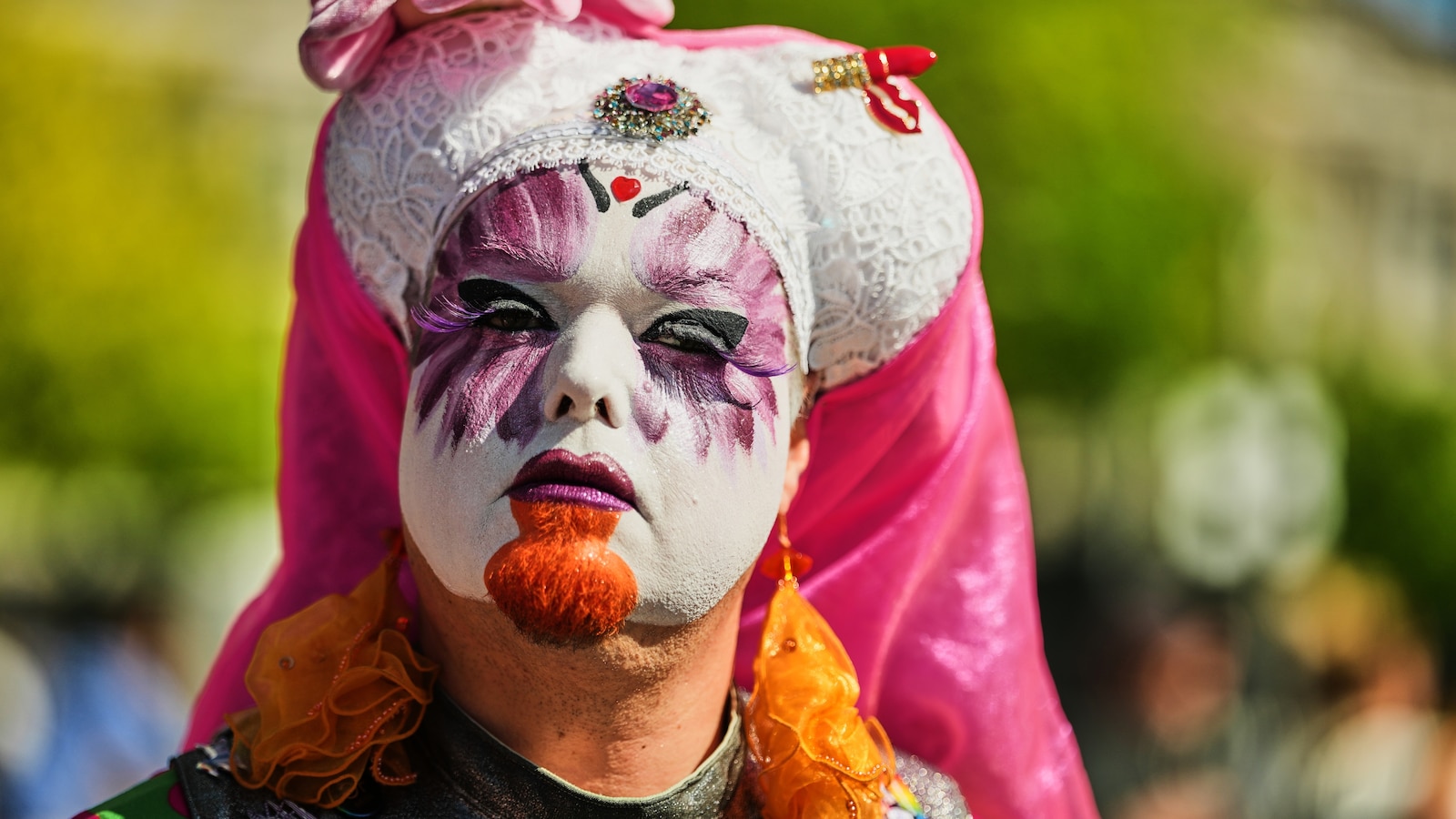
Berlin’s first drag march dazzled with color and celebration as about 500 drag queens, drag kings and LGBTQ+ supporters marched to music from the Transophonix brass band
Berlin witnessed a historic and colorful moment as approximately 500 drag queens, drag kings, and LGBTQ+ supporters took to the streets for the city’s first-ever drag march. The event unfolded on a Friday afternoon, setting the tone for one of Europe’s most prominent Pride celebrations scheduled for the following day.
The march was punctuated by the lively tunes of Transophonix, a brass band renowned for its socially conscious performances. Their rendition of “Das lila Lied” (The Lavender Song), a significant anthem from the 1920s gay rights movement, echoed through Berlin’s iconic landmarks, including the Reichstag and the Brandenburg Gate. This choice of music connected the contemporary demonstration to a broader historical struggle for LGBTQ+ rights.
Related stories

One of the march’s key figures was Sister Daphne OSPI, a drag queen and member of the Sisters of Perpetual Indulgence, a group known for its theatrical outfits inspired by nun habits and its commitment to LGBTQ+ activism. Sister Daphne emphasized the event’s dual nature, combining elements of protest against ongoing social injustices with festive celebration. She noted the distinctive atmosphere this blend creates, which resonates strongly within the community and the wider public alike.
The Sisters of Perpetual Indulgence have deep roots in LGBTQ+ advocacy, originating in San Francisco in 1979. Their German chapter, active since 1991, engages in various community support activities, including distributing safer-sex materials and fundraising for HIV/AIDS initiatives and queer projects across Germany and Europe. Sister Daphne expressed satisfaction with the turnout and the increasing participation as the march progressed through the city streets.
This inaugural drag march serves not only as a vibrant expression of individuality and creativity but also as a reaffirmation of resistance and solidarity within the LGBTQ+ community. It precedes Berlin’s main Pride event, Christopher Street Day, which honors the 1969 Stonewall uprising—a pivotal moment in LGBTQ+ history that began in New York City. The event’s timing underscores the ongoing global struggle for equality and recognition.
Participants in the march showcased an array of flamboyant costumes, including glitter-adorned dresses, high heels, and dramatic makeup, amplifying the revelatory nature of drag as both an art form and a political statement. The gathering drew hundreds initially, with many more joining along the route, signaling a growing momentum for such inclusive public demonstrations in Berlin.
The march’s route through prominent political and historical venues reinforced the symbolic weight of the demonstration, linking the fight for LGBTQ+ rights to broader themes of democracy and social justice. The visibility offered by the event contributes to greater awareness and acceptance, while also challenging societal norms and prejudices.
Beyond the spectacle and pageantry, the event highlighted the resilience and ongoing activism within the community. Sister Daphne’s involvement exemplifies the personal and collective dedication to visibility, support, and advocacy that continue to drive Berlin’s LGBTQ+ scene.
While this first drag march marks a significant milestone, details about future iterations or expanded formats remain limited. Nonetheless, the event’s success suggests a promising future for drag-led activism as a staple component of Berlin’s LGBTQ+ cultural landscape.
Full story & global impact
This article was synthesized and rewritten by MusicTop Editorial from reporting published by abcnews.com. Read the publisher's report for the complete source context.
Read original source: abcnews.com