Allow music beyond 10 pm at designated place and sand extraction
Published August 1, 2026 · EUROPA
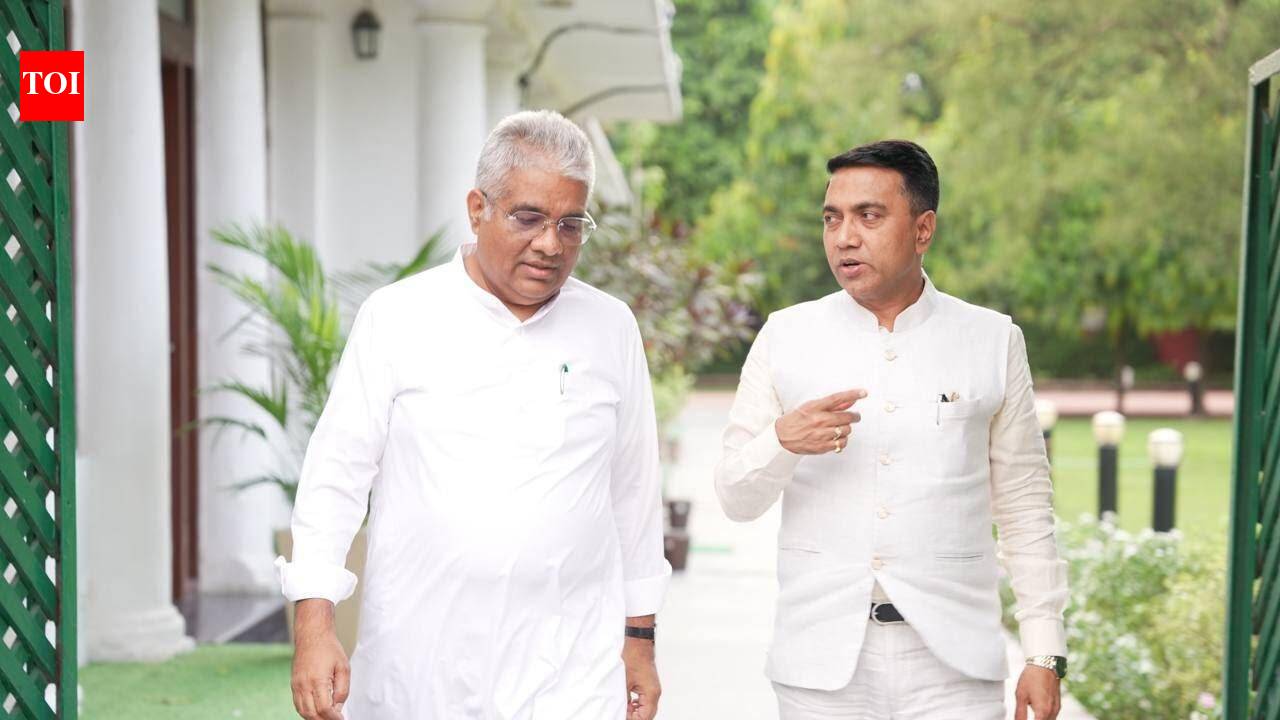
Goa CM Pramod Sawant seeks Centre’s nod to relax 10 pm noise limits in designated areas and permit regulated sand extraction in CRZ zones.
The government of Goa has approached the central authorities with proposals aimed at relaxing certain regulatory constraints affecting the state's coastal regions. Chief Minister Pramod Sawant has officially sought permission to extend permissible noise limits beyond the current 10 pm cutoff in designated localities. This move is intended to benefit venues and events that operate during late hours, potentially revitalizing Goa’s vibrant nighttime economy.
Presently, noise pollution restrictions enforce a strict curfew at 10 pm, limiting music and other sound emissions in many parts of the state. By requesting an extension in specific areas, the Goa administration is looking to strike a balance between economic interests, cultural activities, and community well-being. The exact locations where this relaxation would apply are yet to be clarified, but they are expected to be identified based on suitability and environmental considerations.
Related stories

In conjunction with the noise regulation proposal, the Goa government has also put forward a request to allow regulated sand extraction within Coastal Regulation Zone (CRZ) territories. Sand mining in CRZ zones is typically subject to stringent controls due to ecological sensitivities and the need to preserve coastal biodiversity. However, the state argues that controlled extraction under proper guidelines can address demand for construction materials while minimizing environmental impact.
The dual proposals represent an effort by the Goa administration to address both economic development and environmental management challenges. The coastal state, known for its tourism-driven economy and fragile ecosystems, faces the complex task of fostering growth without compromising its natural resources.
While the central government’s response to these requests is pending, the implications are significant. Easing noise curfews could enhance cultural and entertainment sectors by allowing extended performances and events, potentially attracting more visitors and boosting local businesses. Meanwhile, sanctioned sand extraction could reduce illegal mining activities and provide a sustainable source of materials for infrastructure projects.
The proposals have emerged amid ongoing debates about environmental preservation versus economic needs in coastal regions across India. Goa’s approach underscores the necessity of tailored regulatory frameworks that consider local socio-economic realities alongside ecological priorities.
Details regarding the specific parameters for noise regulation extension and sand mining controls remain limited at this stage. The government is expected to engage further with environmental experts, community stakeholders, and regulatory bodies to design implementation strategies that comply with national and international standards.
This development is likely to influence future policymaking for coastal management in India, highlighting the challenges faced by states balancing development aspirations with environmental safeguards. Goa’s requests, if approved, may serve as a model for other coastal states seeking similar regulatory relaxations.
As the central government reviews these proposals, stakeholders across tourism, environmental conservation, and construction sectors await clarifications on how these changes might reshape Goa’s coastal landscape and economic prospects. The decisions made in this context will have lasting impacts on the state’s cultural vibrancy and ecological health.
Full story & global impact
This article was synthesized and rewritten by MusicTop Editorial from reporting published by timesofindia.indiatimes.com. Read the publisher's report for the complete source context.
Read original source: timesofindia.indiatimes.com