Geraldine de Haas, Chicago’s “Jazz Lady,” Has Died At 91
Published August 12, 2026 · EUROPA
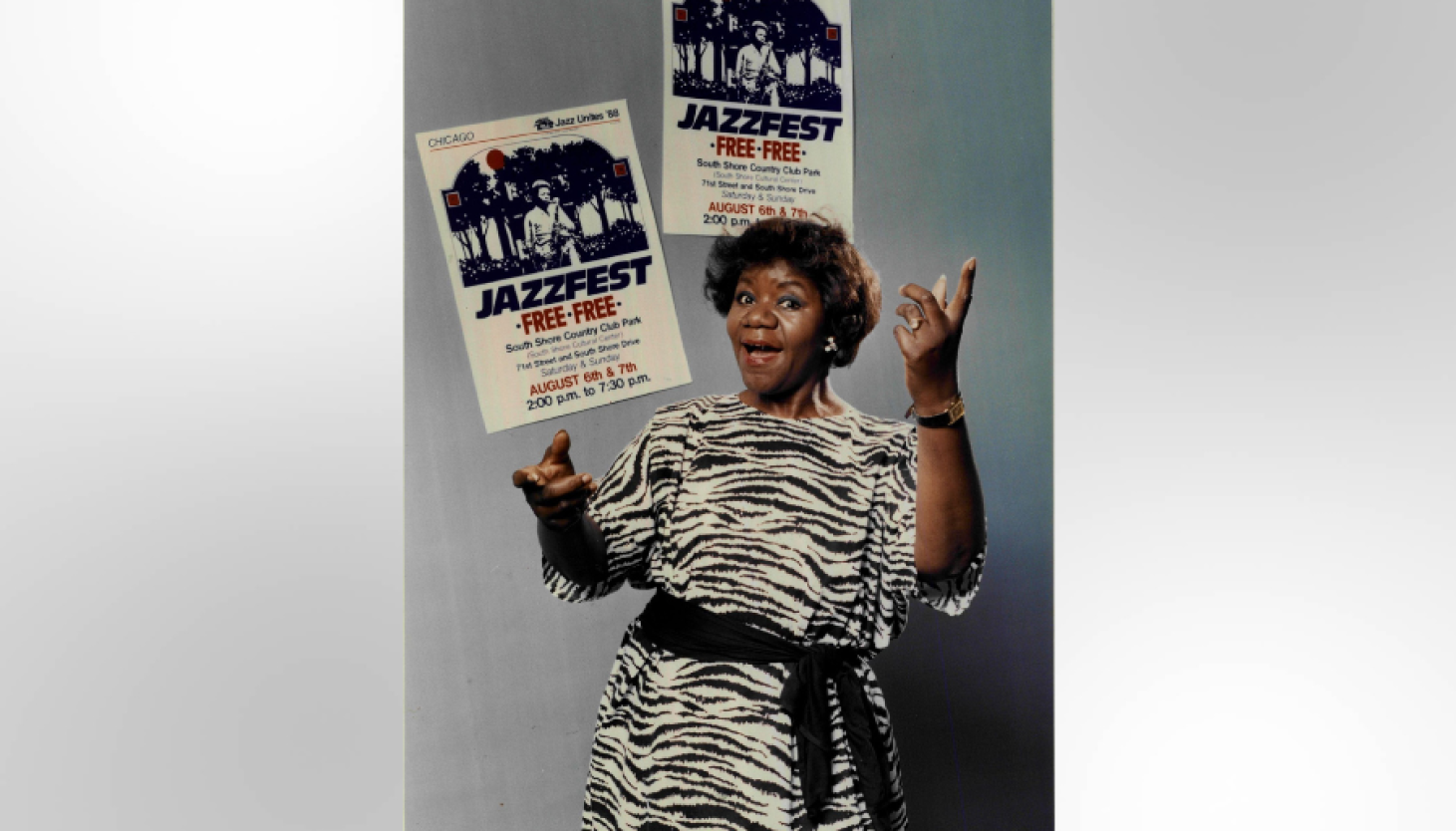
She began her career as a singer, then became a promoter and impresario. She co-founded what started as a 1974 Duke Ellington tribute and, in 1989, became the Chicago Jazz Festival. She then created another event, which started in 1981 as the South Shore Jazz…
Geraldine de Haas, an influential figure in Chicago’s jazz scene and a foundational force behind the Chicago Jazz Festival, passed away at the age of 91 from natural causes. Her death marks the loss of a key promoter and advocate whose work significantly shaped the city’s musical landscape.
De Haas’s contributions to jazz began in the 1970s, notably after the death of Duke Ellington in 1974. She played a crucial role in organizing a tribute to the jazz legend held in Grant Park. According to chicago.suntimes.com, this event gradually evolved into an annual gathering that united Chicago’s diverse jazz community and ultimately developed into the official Chicago Jazz Festival by 1979.
Related stories

Her decision to hold the initial tribute in Grant Park instead of the originally planned South Side location was a strategic move aimed at fostering inclusivity and ensuring attendance from all parts of the city. This choice highlighted her vision of jazz as a unifying cultural force transcending racial and geographical divides.
While the Jazz Institute of Chicago later took over the programming of the Chicago Jazz Festival, de Haas continued her involvement in jazz promotion by founding the South Shore Jazz Festival in 1981, hosted at the South Shore Cultural Center and running until 2012. This effort further cemented her commitment to community-based jazz celebrations.
De Haas’s early career as a performer included touring with her siblings in the trio Andy and the Bey Sisters, which played jazz and pop from the late 1950s to mid-1960s. After moving to Chicago in 1968, she initially pursued singing and acting but shifted towards organizing and promoting due to the challenging dynamics of the nightclub scene at the time.
Her marriage to jazz musician Edgar de Haas and her relocation to Chicago’s South Shore neighborhood deepened her ties to the city’s artistic community. Her involvement with the Free Street Theater and participation in the Chicago premiere of “Hair” indicate a broad engagement with the cultural arts beyond music.
De Haas was known for her persistence and determination in overcoming barriers within the music industry and city politics. Her ability to secure sponsors and organize large-scale events drew from her study of jazz festival management, particularly the methods used by George Wein of the Newport Jazz Festival.
In addition to festival organizing, she founded Jazz United and was a proponent of establishing a jazz museum, showing her dedication to preserving and celebrating jazz heritage in Chicago. Her efforts not only elevated jazz’s visibility but also paved the way for numerous other festivals along Chicago’s lakefront.
Her family, including her son Darius de Haas and daughter Aisha de Haas, remain part of her legacy. Plans for a memorial service in Chicago are underway but further details have yet to be confirmed.
The confirmed facts solidify de Haas’s role as a pioneering jazz promoter who transformed Chicago into a major hub for the genre. However, some specifics about the immediate future for her initiatives and the status of ongoing projects like the South Shore Jazz Festival remain unconfirmed.
Geraldine de Haas’s impact extends beyond event creation; she helped redefine jazz promotion by fostering inclusivity and community engagement during a time of social division. Her legacy lies in the institutionalization of jazz festivals that have become fixtures in Chicago’s cultural calendar.
From an industry perspective, de Haas’s work illustrates the critical role of organizers in sustaining jazz’s economic and cultural relevance. By creating festivals accessible to diverse audiences, she contributed to the genre’s longevity and its connection to urban identity.
Her passing invites reflection on how jazz festivals can continue to balance tradition with innovation and remain resilient in the face of economic challenges. The enduring institutions she helped build provide a foundation for future support of jazz artists and communities in Chicago and beyond.
Full story & global impact
This article was synthesized and rewritten by MusicTop Editorial from reporting published by chicago.suntimes.com. Read the publisher's report for the complete source context.
Read original source: chicago.suntimes.com