Music and Architecture in Harmony Opera Houses and Concert Halls of Europe, 1672-2022
Published August 14, 2026 · EUROPA
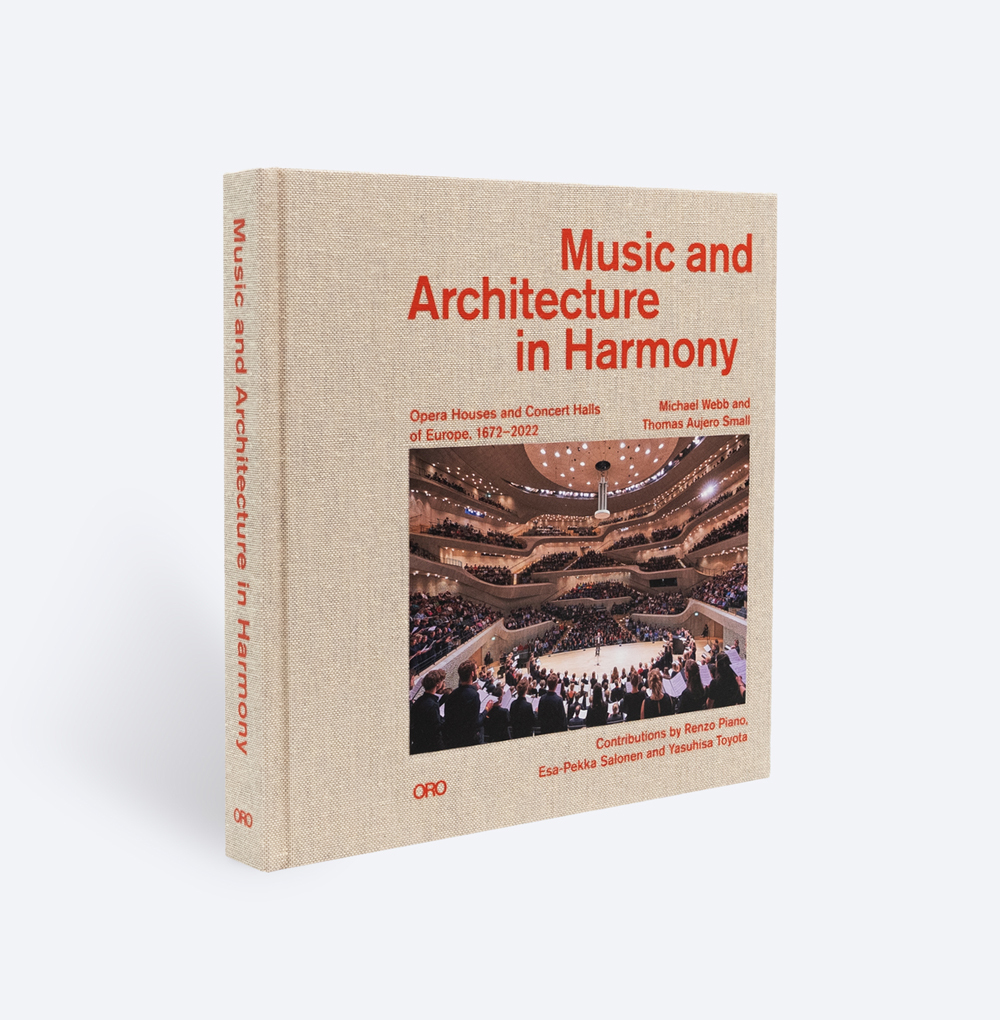
This generously illustrated survey of 90 halls from the past three centuries is a personal selection by the authors, enriched by recommendations from leading musical authorities. These auditoria combine consistently high standards of performance with architec…
Europe’s rich tradition of opera houses and concert halls presents a fascinating journey through evolving architectural styles and acoustic innovations. A detailed survey highlights 90 such venues, chosen for their historical significance and exceptional performance standards. This curated collection, informed by expert musical authorities, spans from the late 17th century to the modern era, illustrating how these cultural landmarks have shaped and responded to musical demands.
The earliest buildings in this anthology are court theaters from the 18th century, originally constructed to serve the aristocracy and royal patrons. These intimate “jewel box” venues, known for their ornate interiors, now frequently host summer festivals that attract music aficionados seeking authentic period experiences. Their design reflects a time when music was an exclusive art form, intimately tied to power and status.
Related stories

Transitioning into the 19th century, there was a marked expansion in the scale of theaters, orchestras, and audiences. This era witnessed a surge in the grandeur and capacity of performance spaces, accommodating the growing public appetite for opera and orchestral music. The architectural ambitions of this period often aimed to balance magnificent visual appeal with improved acoustics, aligning with the era’s burgeoning cultural nationalism and technological progress.
The contemporary phase, encompassing roughly the last three decades, reveals dramatic advancements driven by collaborations between architects, musicians, and acousticians. Modern auditoria demonstrate remarkable versatility, integrating cutting-edge design and technology to meet diverse civic and economic objectives. These venues cater not only to traditional audiences but also strive to attract new demographics through innovative programming and adaptable spaces.
The surveyed halls collectively represent a cross-section of musical and architectural evolution. From the intimacy of chamber music and baroque opera in historic settings to the imposing stages of celebrated venues like Milan’s La Scala and Bayreuth’s festival theater, the collection embodies a wide spectrum of cultural expressions.
Moreover, the compilation serves as a resource for cultural tourists and connoisseurs, offering a visually engaging guide to some of Europe’s most treasured music venues. It underscores how architectural form and acoustic science have continuously converged to enhance the experience of live music.
While the selection is personal to the authors, it reflects consensus among leading authorities in music, emphasizing halls that maintain consistently high standards of performance and sound quality. This highlights the ongoing interplay between tradition and innovation that characterizes the continent’s musical architecture.
In sum, this extensive survey not only preserves the legacy of Europe’s distinguished performance spaces but also illustrates their adaptation to contemporary cultural landscapes. Details on specific venues and their individual histories remain limited in scope but collectively point to an enduring commitment to artistic excellence and architectural distinction.
Full story & global impact
This article was synthesized and rewritten by MusicTop Editorial from reporting published by archdaily.com. Read the publisher's report for the complete source context.
Read original source: archdaily.com