AI music has reached the charts, and the artists using it have stopped hiding it
Published August 17, 2026 · EUROPA
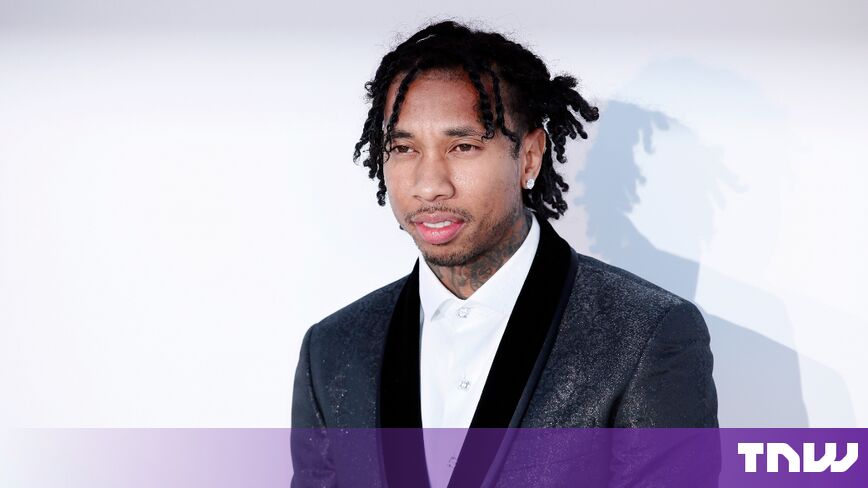
The american rapper Tyga has admitted that artificial intelligence generated the retro synths on his new album, Timbaland has signed an entirely AI-created pop star, and a machine-assisted summer hit has already reached the Billboard Hot 100. Generative music…
Artificial intelligence has firmly established its presence in the music industry, moving beyond experimental phases into mainstream charts. American rapper Tyga recently acknowledged utilizing AI technology to create the retro synth elements on his latest album, signaling a shift in how artists approach music production tools.
Tyga's ninth studio album, characterized by an 1980s-inspired sound palette, incorporated AI-generated synthesizer sounds while retaining human-driven lyrics and vocals. This blend reflects a broader trend where musicians view AI as an innovative extension of the studio toolkit, akin to how Auto-Tune was initially received upon its debut.
Related stories

However, this analogy is met with skepticism from some quarters, especially considering the ethical and legal questions AI-generated music raises. Industry veteran producer Timbaland has ventured deeper into AI by launching 'Stage Zero,' an initiative aimed at developing AI-powered pop acts. The project's first signed artist, TaTa, is described as a fully autonomous, learning AI musician, highlighting a new frontier in digital artistry.
Other artists have experimented with AI in various forms: Grimes has allowed fans to compose tracks using a licensed digital replica of her voice with shared royalties, while Nick Carter of the Backstreet Boys has integrated AI in video production. Meanwhile, entirely virtual performers like Tilly Norwood have attracted significant online attention despite having no physical presence.
These developments have not gone uncontested. Critical reception to AI-assisted albums can be harsh, as evidenced by the notably low score given to Tyga’s record by a major music review outlet. Fellow musicians and social media users have expressed disapproval, framing AI-generated content as a shortcut that undermines artistic effort.
Beyond subjective critiques lies a complex dispute over intellectual property. AI music models require extensive training datasets, typically composed of vast archives of existing recordings. This reliance on unconsented source material has led to legal scrutiny, with courts in Europe beginning to rule against AI companies for copyright infringement. Such decisions are setting precedents that will shape the future balance between technological innovation and artists’ rights.
The music industry currently faces uncertainty around transparency standards. Instances have surfaced where AI-created music circulated on streaming platforms without clear disclosure, leaving listeners unaware of the technology behind the sound. Although some artists openly admit to using AI, there is no unified protocol for labeling such works, contributing to confusion and mistrust.
Moreover, the proliferation of AI-generated tracks threatens to saturate digital music libraries. The sheer volume of machine-produced songs uploaded at speeds unattainable by human creators could dilute listener attention and royalty earnings, posing a subtle yet significant challenge for professional musicians.
In a span of just a few years, AI music has evolved from a niche curiosity to a notable presence on charts and streaming services. While some embrace the creative possibilities and others focus on potential drawbacks, the music world continues to grapple with the implications for artistry, legality, and economics.
As legal frameworks gradually adapt and cultural norms evolve, the industry is poised to redefine its relationship with artificial intelligence. Whether AI tools become accepted collaborators or contentious competitors remains an open question, but their impact on music’s future is undeniable.
Full story & global impact
This article was synthesized and rewritten by MusicTop Editorial from reporting published by thenextweb.com. Read the publisher's report for the complete source context.
Read original source: thenextweb.com