Iceland Eclipse: How This Immersive Festival Celebrated the Last Total Solar Eclipse Until 2196 [Interview]
Published August 27, 2026 · EUROPA
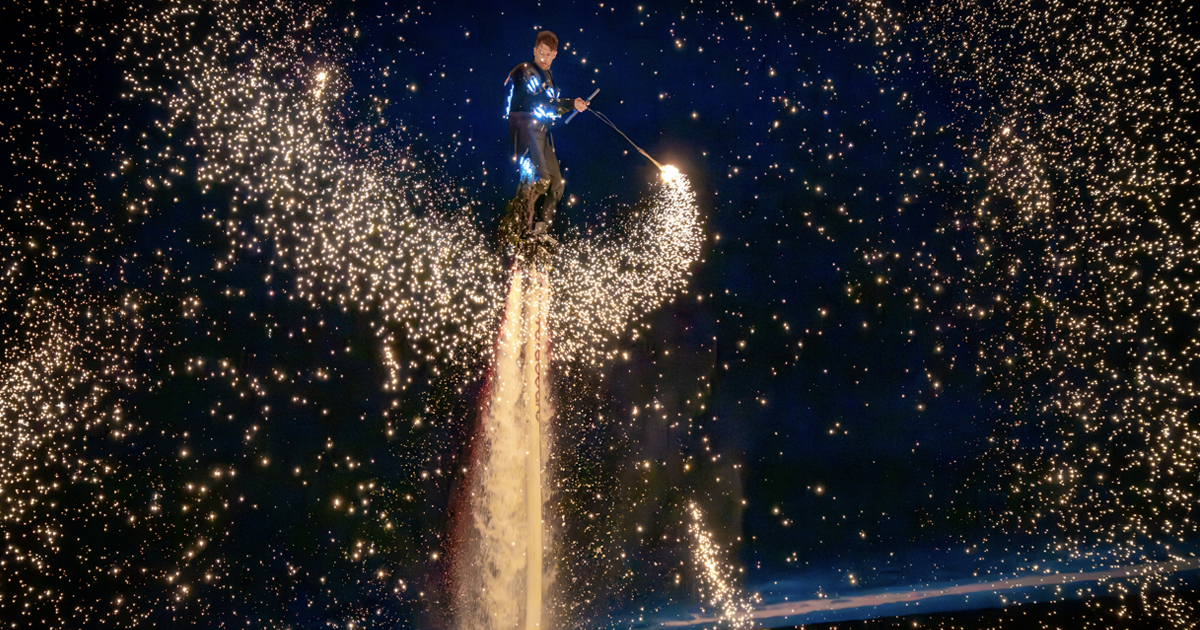
Iceland Eclipse: How This Immersive Festival Celebrated the Last Total Solar Eclipse Until 2196 [Interview] The Snæfellsnes Peninsula in Iceland was in an ideal location to view the total solar eclipse that happened across Europe on August 12, 2026. It was th…
In August 2026, the remote Snæfellsnes Peninsula in Iceland became the focal point for a unique celebration marking a rare celestial event—the last total solar eclipse visible in the region until the year 2196. This five-day immersive festival, known as Iceland Eclipse, combined artistic performances, scientific exploration, and cultural rituals to create an unprecedented communal experience amid Iceland’s dramatic natural surroundings.
From August 11 to August 15, a carefully limited group of 3,333 participants gathered to witness and celebrate the eclipse's fleeting shadow. The peninsula, often described as "Iceland in miniature," offered an extraordinary backdrop featuring glaciers, volcanoes, black-sand beaches, and rugged lava fields. The location's minimal light pollution enhanced the astronomical spectacle, with totality lasting over two minutes—a notably long duration for its latitude—and coinciding with the peak of the Perseids meteor shower.
Related stories
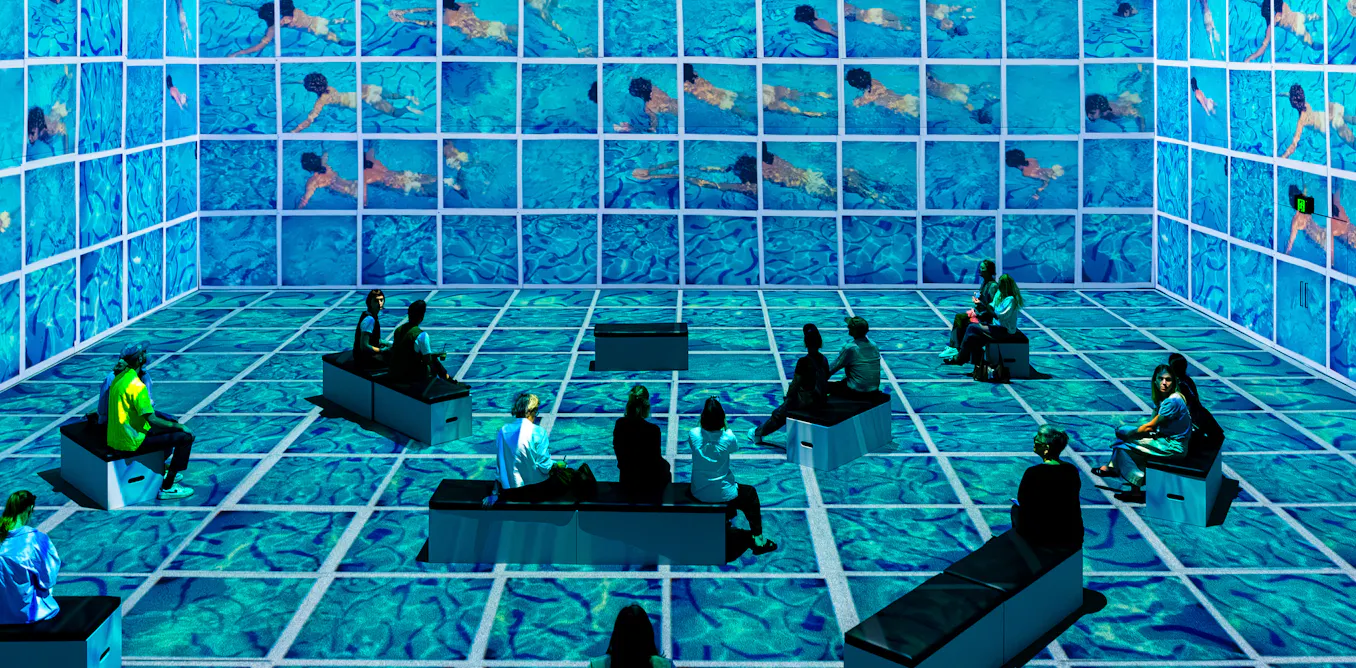 David Hockney: the celebrated artist is bigger in this immersive digital spectacle, but not closer
Immersive David Bowie production "Stage" to premiere at Uber Arena Berlin followed by global tour
The festival's programming was thoughtfully structured around three core pillars: dance, learn, and connect. Musical acts utilized Iceland’s distinctive landscapes not merely as venues but as immersive environments. Performances included concerts set within lava caves and DJ sessions staged beneath glaciers. Esteemed artists such as RJD2, Imogen Heap performing under the moniker "Him Gone Ape," and Nightmares on Wax energized attendees, transforming the natural settings into spaces of vibrant sonic expression.
Beyond music, Iceland Eclipse emphasized intellectual engagement and social connection by bringing together a diverse assembly of experts and creators. Attendees had opportunities to interact with astronauts, scientists from NASA and other space agencies, filmmakers, and educators. The presence of representatives from organizations including Space for Humanity, the United Nations, and major aerospace companies underscored the event's scientific and cosmic dimensions.
Participants embarked on multi-day excursions to explore glaciers, volcanoes, and geothermal hot springs, deepening their appreciation for Iceland’s environment. Group meditations and ceremonial activities fostered a sense of collective presence and reflection. An opening ceremony, highlighting the country’s rich folklore, featured Icelandic elders and traditional musicians, thereby grounding the event in local cultural heritage.
One of the festival’s central ceremonial sites was the Circle of Tröð, an amphitheater-like mandala constructed in a meadow. This space featured four pyramid gates symbolizing mythological Icelandic spirit-keepers—the Eagle, Ox, Dragon, and Fire Giant—and was designed to accommodate 1,500 people facing inward around a water altar adorned with natural elements. This setting served as a symbolic portal during the eclipse, aligning human gathering with celestial cycles.
Festival organizers sought to transcend the typical festival format by blending artistic, scientific, and spiritual elements into a cohesive human experience. The total eclipse was not presented merely as a spectacle but as an event of profound scientific significance and spiritual resonance. By integrating wellness, ritual, and interdisciplinary discourse, Iceland Eclipse aimed to create a gathering that paralleled the eclipse’s grandeur and rarity.
Local Icelandic artists and communities played a pivotal role in shaping the festival’s identity and infrastructure. Prominent musicians such as GusGus, Ásgeir, Emilíana Torrini, and Daði Freyr contributed to the lineup, while production teams included Icelandic crews ensuring the event was deeply rooted in the region’s creative and cultural landscape. The village of Hellissandur, with its small population and distinctive character, served as the festival’s hub, blending remote charm with artistic vitality.
The event’s founder, Fred Olafsson, who previously organized the Secret Solstice festival, envisioned Iceland Eclipse as a return to large-scale celebrations after the pandemic hiatus, driven by the eclipse's unique timing and significance. The integration of diverse elements—music, art, science, and ritual—was intended to reflect the multifaceted nature of the eclipse itself.
Ultimately, Iceland Eclipse aspired to leave participants with lasting memories of a moment when nature, culture, and cosmic phenomena converged. By fostering a deep connection to place and community, the festival offered an experience that extended beyond spectacle to become a meaningful chapter in the cultural life of Iceland and all those who gathered beneath the shadow of the moon.
Full story & global impact
This article was synthesized and rewritten by MusicTop Editorial from reporting published by mymodernmet.com. Read the publisher's report for the complete source context.
Read original source: mymodernmet.com