DJI Osmo 360 II vs Insta360 X6: Which 360 camera makes more sense for travelers and creators?
Published October 1, 2026 · EUROPA
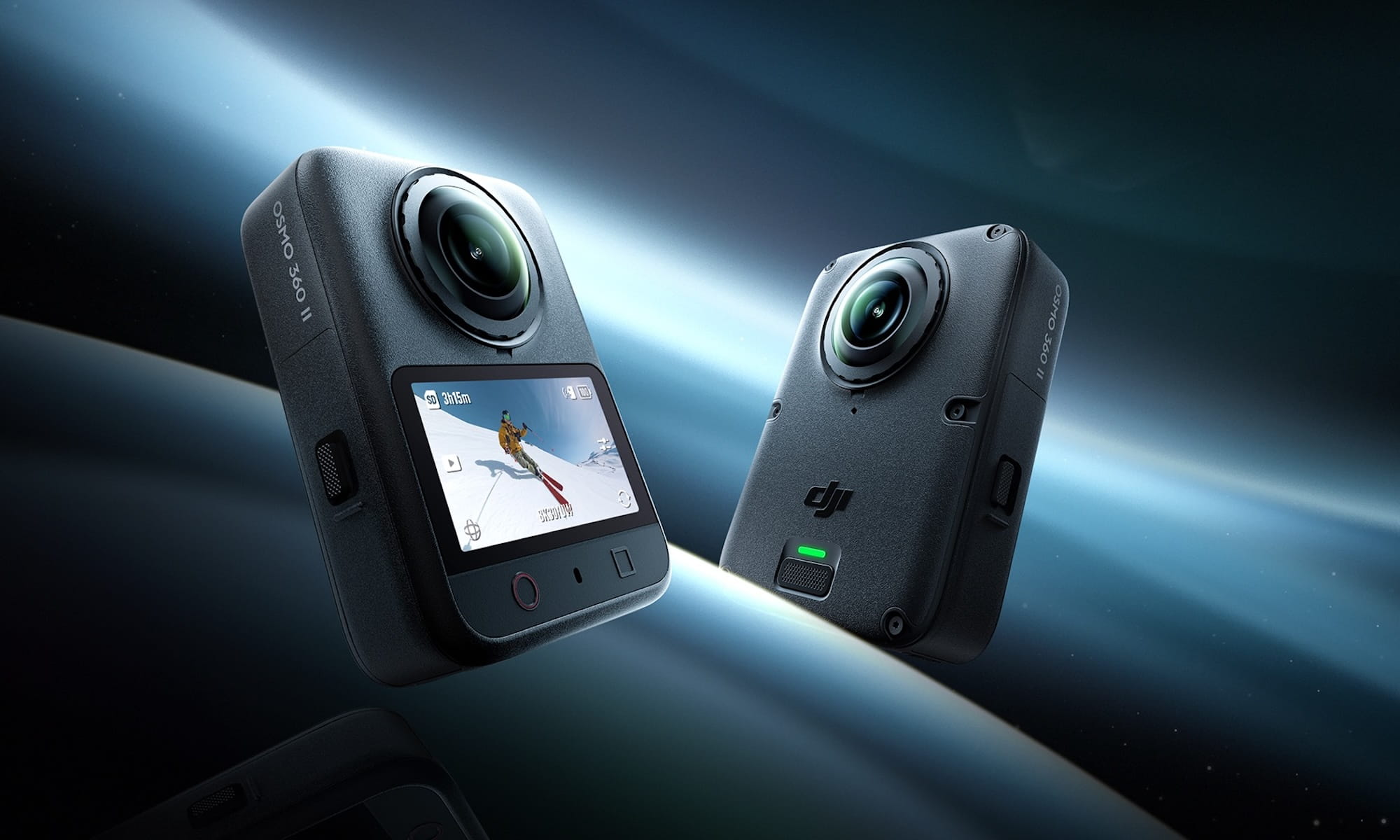
Most action cams make you decide what to shoot. But when you’re comparing 360 cameras like DJI Osmo 360 II vs Insta360 X6, you can—thankfully—put that decision off until later. Then the question becomes, if you’re traveling and/or creating content,.. The post…
The evolution of 360-degree cameras is reshaping how travelers and content creators capture their experiences. Two recent entries in the market, DJI’s Osmo 360 II and Insta360’s X6, present compelling options but cater to slightly different priorities and regions.
Released in late summer 2026, the DJI Osmo 360 II made its debut across Europe, the UK, and Asia on September 3, while the Insta360 X6 had arrived earlier in August and is currently available in the United States. This regional availability is a critical factor for buyers, as the Osmo 360 II has yet to be introduced to the American market.
From a pricing standpoint, the DJI Osmo 360 II offers a more budget-conscious entry at approximately €589 ($675), undercutting the Insta360 X6’s €699 ($710.99) starting price. However, the Insta360 X6 justifies its cost with a feature set that appeals directly to users deeply integrated into the Insta360 ecosystem, particularly those who value Dolby Vision capabilities straight out of the camera.
Related music video
Selected for this story · Published within the last two years
Technical specifications reveal close competition in sensor technology, with both cameras utilizing dual 1/1.1-inch sensors and offering impressive dynamic range capabilities measured at 14.5 stops. Where the DJI Osmo 360 II gains an advantage is in its higher frame rate, capturing video at 8K resolution and 60 frames per second, compared to the X6’s 8K at 50fps. This difference is crucial for capturing fast-paced motion with reduced blur, making the Osmo 360 II particularly attractive for sports and action-oriented content.
Storage capacity is another area where the DJI model stands out. It includes a substantial 105GB of internal storage, eliminating the need for microSD cards during typical travel scenarios. In contrast, the Insta360 X6 offers less than half that amount of usable storage, at 47GB, necessitating additional memory cards for extended shooting periods.
Battery life presents a nuanced comparison: the Osmo 360 II supports 100 minutes of continuous recording at 8K/30fps, extendable to 280 minutes with an optional accessory. The Insta360 X6 outperforms slightly on endurance with 140 minutes per charge, representing a significant improvement over its predecessor.
Both cameras boast waterproof capabilities suitable for aquatic adventures, with the Osmo rated for depths up to 10 meters (50 meters using an additional dive case), and the X6 supporting 20 meters unprotected and 60 meters with its Dive Case Pro. These features underscore their suitability for beach and underwater travel content.
When evaluating user experience and workflow, the Insta360 X6 shines with its dedicated software tailored for 360 filming. Its InstaFrame 2.0 technology excels at tracking subjects, and Auto Edit 2.0 automates editing tasks like framing and transitions, streamlining the post-production process for creators focused on social media platforms. The app’s strong user ratings reflect widespread appreciation for its intuitive design.
DJI’s Mimo app, while highly rated and supporting a broader range of devices, lacks the specialized 360-degree focus of Insta360’s software. Nevertheless, DJI compensates with features like an Invisible Selfie Stick and Dual Recording, enabling vloggers to capture themselves alongside their surroundings naturally, a compelling tool for solo content creators.
In terms of value, the Osmo 360 II’s more accessible price combined with its superior storage and frame rate make it a standout for travelers who prioritize recording longevity and smooth motion capture. The Insta360 X6’s strengths lie in its software ecosystem and image quality enhancements, making it appealing to users invested in Insta360’s platform or those located in the U.S.
Ultimately, the choice between these two cutting-edge 360 cameras hinges on geographic availability, budget constraints, and intended use cases. The DJI Osmo 360 II emerges as the preferred option for most global travelers due to its balance of price, performance, and storage, while the Insta360 X6 offers a robust solution for American creators seeking advanced editing features and Dolby Vision support. Thegadgetflow.com’s comparison underscores that both devices represent significant advancements in immersive content capture, catering to distinct segments within the evolving landscape of 360-degree videography.
Full story & global impact
This article was synthesized and rewritten by MusicTop Editorial from reporting published by thegadgetflow.com. Read the publisher's report for the complete source context.
Read original source: thegadgetflow.com