The Genius of Charli XCX
Published October 19, 2026 · EUROPA
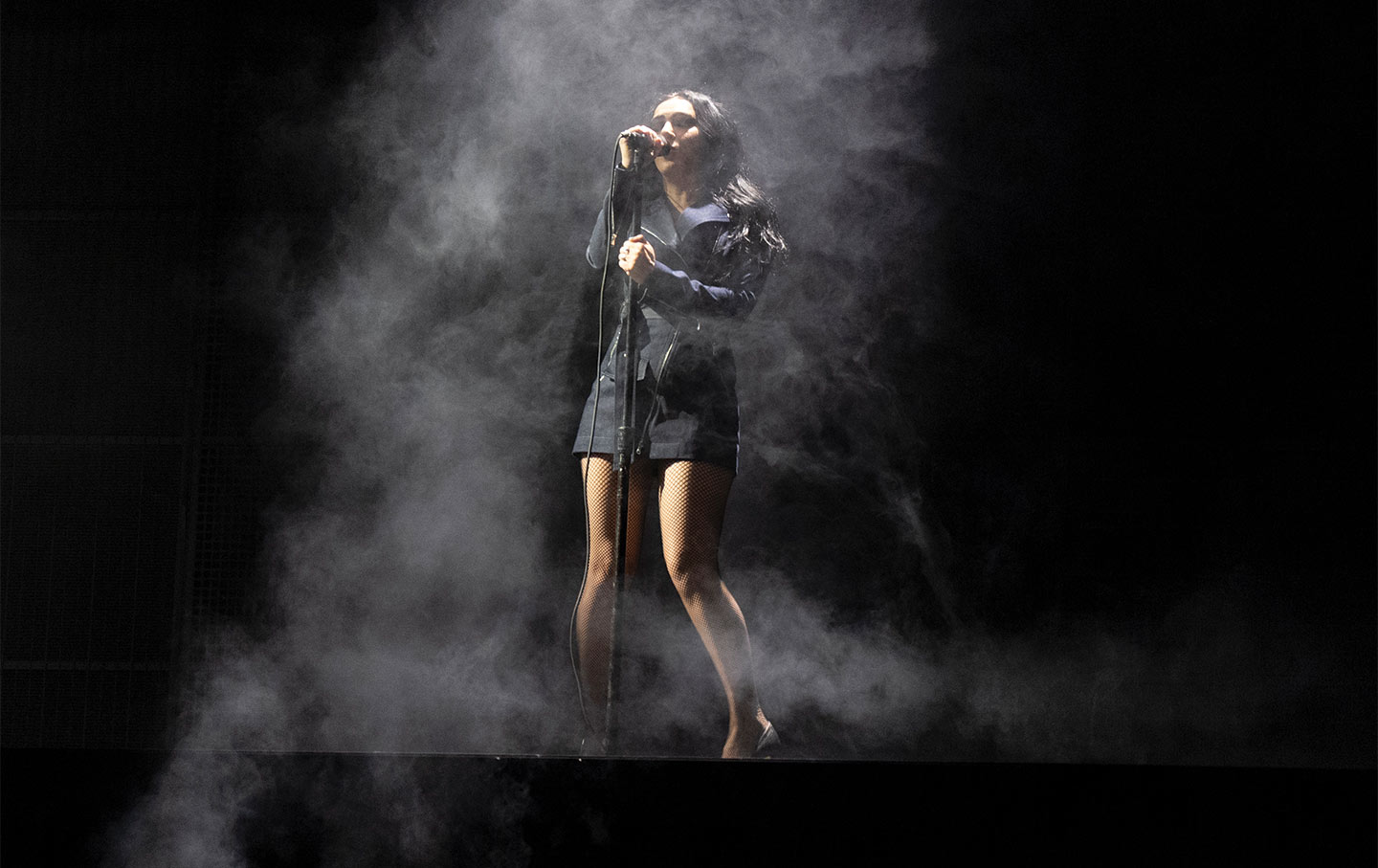
Bijan Stephen On her new album, Music, Fashion, Film, the musician embraces rock. The post The Genius of Charli XCX appeared first on The Nation.
Charli XCX, known for her pioneering role in contemporary pop and club music, has unveiled her sixth studio album titled Music, Fashion, Film. Marking a notable stylistic evolution, this project embraces rock elements, diverging from the dancefloor-centric sounds that characterized her previous release, Brat.
Brat emerged during a period when club culture was prominently influential, capturing a spirit of escapism and youthful exuberance. It coincided with a moment of political optimism in the United States, with many anticipating a shift in leadership. The album's resonance with audiences cemented Charli's status as a defining voice of that era. However, the social and political landscape has since shifted dramatically, and so has Charli's artistic approach.
Related stories

Music, Fashion, Film arrives in a climate marked by political upheaval and environmental crises, contrasting sharply with the hopeful backdrop of Brat. The album's title evokes a lifestyle of carefree indulgence, yet its content reveals a more sobering reflection on the limitations of cultural escapism. Charli herself signals the end of an era, suggesting that the dancefloor’s relevance has waned, prompting her shift toward the rawer textures of rock music.
Related music video
Selected for this story · Published within the last two years
Collaborating again with producers A.G. Cook and Finn Keane, Charli crafts a soundscape that integrates grunge and pop-punk sensibilities with contemporary electronic beats. This blend creates a distinct sonic identity that complements the album's introspective and often candid lyrics. Notably, Charli adopts a vocal style less reliant on AutoTune and heavy processing, emphasizing authenticity and emotional immediacy.
Among the album’s standout tracks is “SS26,” where Charli confronts global anxieties with stark honesty. The song contemplates an uncertain future, acknowledging that neither music, fashion, nor film can provide salvation from broader societal and environmental challenges. This resignation permeates much of the album, underscoring a sense of vulnerability and existential reckoning.
Throughout the record, Charli delves into personal narratives, reflecting on her career origins, relationships, and self-doubt. Songs like “2007” nostalgically revisit her early days of bedroom pop music creation, while “Card Declined” and “I’m Afraid” explore themes of materialism and emotional insecurity. These introspective moments avoid sentimentality, instead offering nuanced portrayals of human complexity.

Charli’s expansion beyond music into fashion and film also informs the album’s thematic scope. As a rising face for luxury brand Saint Laurent and an emerging actress in independent cinema, her multidisciplinary engagements appear to fuel creative restlessness. This cross-industry presence adds layers to the album’s exploration of identity, artistry, and the pressures of public life.
The closing track, “No One Lasts Forever,” features a unique collaboration with filmmaker David Cronenberg, whose recorded reflections on mortality and artistic legacy deepen the album’s contemplation of impermanence. This inclusion accentuates a poignant realization: the pursuit of immortality through art is a complicated endeavor, and freedom may lie in embracing life's finite nature.
Overall, Music, Fashion, Film represents a significant moment of reinvention for Charli XCX. It captures an artist grappling with the shifting cultural landscape and her own evolving ambitions. By integrating rock influences, embracing vulnerability, and engaging with her broader creative ventures, Charli charts a new course that challenges both herself and her audience to reconsider the role of music and art in an unsettled world.
While details about the album’s full impact and reception remain forthcoming, this release underscores Charli XCX’s continued relevance and adaptability as an artist. Her willingness to confront discomfort and transform personal and societal uncertainties into compelling music affirms her position as a vital force in contemporary culture.
Full story & global impact
This article was synthesized and rewritten by MusicTop Editorial from reporting published by thenation.com. Read the publisher's report for the complete source context.
Read original source: thenation.com