In 2015, after a fight with his parents, 14-year-old Andrés Cantó began digging; six years later, his cave had a bedroom, Wi-Fi and a sound system
Published October 23, 2026 · EUROPA
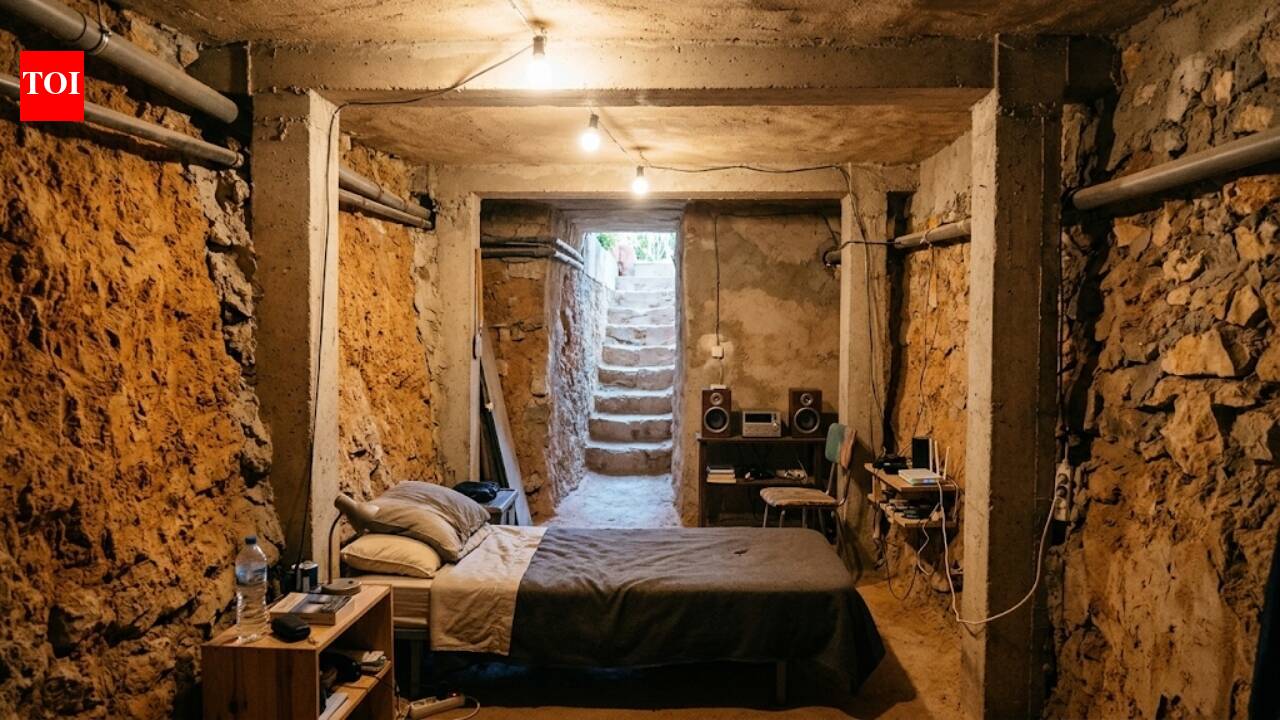
In 2015, following a minor family disagreement, Andrés Cantó began excavating in his garden. Six years later, his small hole evolved into a fully functional underground cave house, boasting a bedroom, Wi-Fi, heating, and a music system, all for around $60. Th…
In 2015, a young teenager named Andrés Cantó embarked on an unusual personal project after a disagreement with his parents. Rather than retreating to a conventional bedroom, the then 14-year-old initiated the excavation of a small hole in his family garden. What began as a modest digging exercise has since transformed into a remarkable underground living space.
Over a period of six years, Cantó expanded the initial cavity into a functional subterranean cave house. This private hideaway now encompasses a bedroom area and is equipped with modern amenities that belie its humble origins. Notably, the space includes Wi-Fi connectivity, heating, and a sound system, creating a comfortable and connected environment far beneath the surface.
Related stories

The development of this unique underground retreat reportedly cost Cantó approximately $60, an extraordinarily low budget for such a project. This figure underscores the resourcefulness and determination the teenager exhibited in creating a livable and technologically integrated space with minimal financial investment.
The cave’s evolution reflects a blend of youthful creativity and practical engineering, illustrating how unconventional ideas can materialize into functional living quarters. Such a personal endeavor challenges traditional notions of housing and private space, especially when undertaken at such a young age.
While details about the construction techniques and specific materials used remain limited, the existence of heating and Wi-Fi suggests a degree of technical expertise or external assistance. These features align the underground cave with contemporary standards for comfort and connectivity, typically reserved for above-ground homes.
Cantó’s underground project has attracted attention for its combination of ingenuity and cost-efficiency. It also raises questions about youth autonomy and alternative living arrangements in domestic settings. The initiative can be seen as a creative response to familial tensions, manifesting physically in a self-made refuge.
Though the motivations initially stemmed from a familial conflict, the outcome is a testament to sustained commitment and innovation. Over the six years, the cave transitioned from a simple hole to a personalized sanctuary equipped with modern technology, showcasing the potential of individual resolve in home creation.
This story, as reported by timesofindia.indiatimes.com, highlights a unique intersection of youth, technology, and domestic architecture. It invites further exploration into how young individuals might redefine living spaces, blending DIY methods with digital connectivity to craft homes that suit their needs and aspirations.
Full story & global impact
This article was synthesized and rewritten by MusicTop Editorial from reporting published by timesofindia.indiatimes.com. Read the publisher's report for the complete source context.
Read original source: timesofindia.indiatimes.com