‘We understand their decision’: Eurovision reacts to Netherlands pulling out of 2027 contest
Published October 27, 2026 · EUROPA

Country backtracks on decision to rejoin competition ‘due to sensitivities surrounding the themes currently at play’
The Netherlands has officially announced its withdrawal from the Eurovision Song Contest scheduled for 2027, citing ongoing concerns around sensitive themes influencing the contest. This marks a reversal from an earlier decision to rejoin the competition after abstaining from the 2026 edition.
The country's public broadcaster, NPO, which had initially indicated a return to Eurovision after a year-long boycott, now reports that internal deliberations failed to establish a consensus on participation. Jet de Ranitz, chairwoman of NPO, explained that despite preliminary optimism, they were unable to devise a suitable approach to reengage with the contest in light of current sensitivities. Consequently, the broadcaster has opted to pause its involvement for the time being.
Related stories
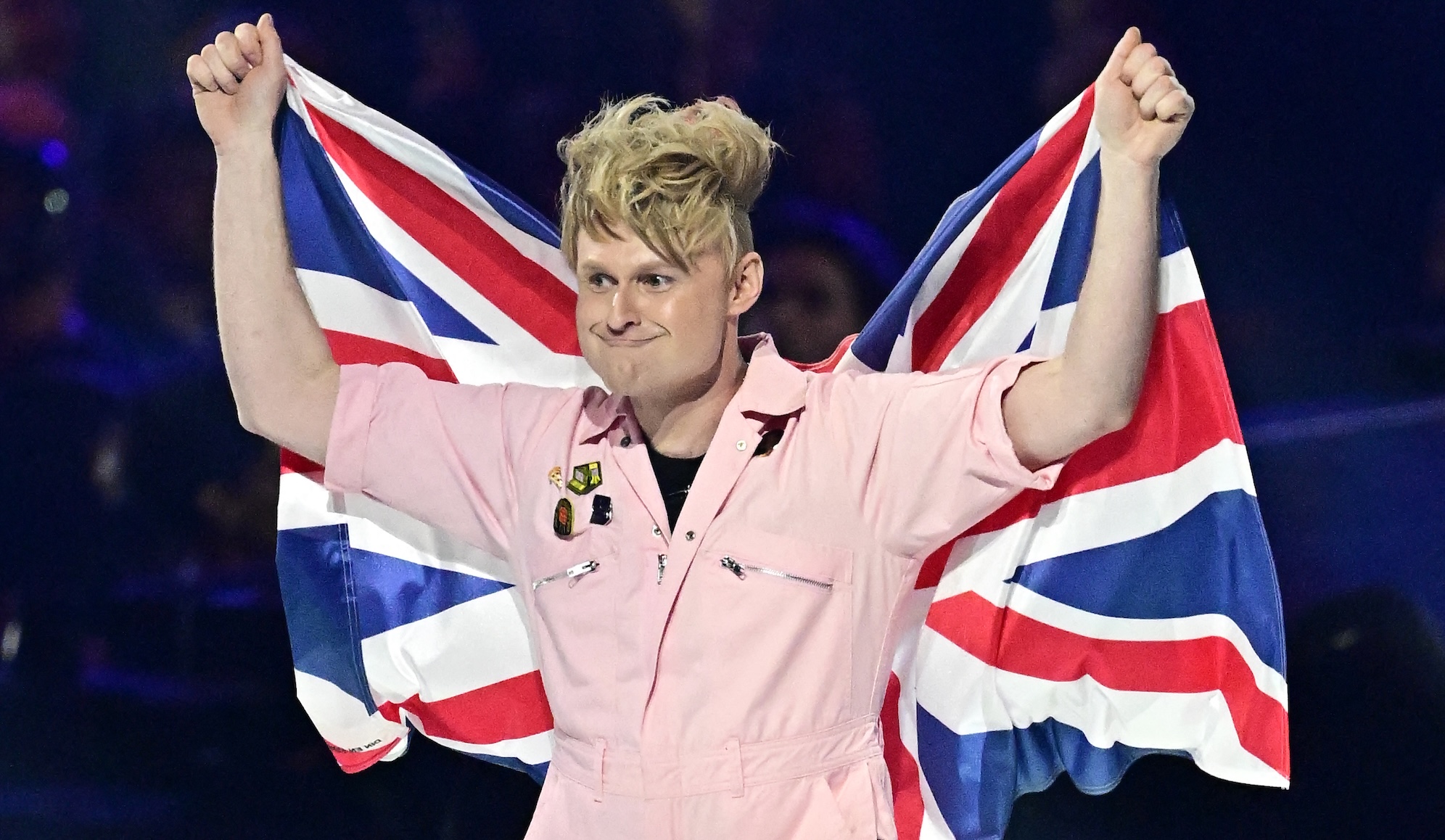

This decision follows the Netherlands’ notable absence from Eurovision 2026 in Vienna, alongside Iceland, Spain, Ireland, and Slovenia. These countries had boycotted the event due to Israel’s inclusion, a move that sparked significant debate and protests amid ongoing geopolitical tensions linked to Israel's actions in Gaza. The 2026 contest was notably charged with political undercurrents, complicating the traditionally apolitical nature of the event.
Eurovision’s executive leadership expressed regret over the Netherlands’ withdrawal. Martin Green, the contest’s director, acknowledged the country’s foundational role since the inaugural contest in 1956 and praised the Dutch contribution to Eurovision’s cultural and creative legacy. Despite the disappointment, he recognized the broadcaster’s and the nation’s internal divisions on participation, emphasizing respect for the diverse opinions held within member countries.
Green underscored that public service broadcasters, such as NPO, must balance their duty to reflect their audiences’ views while navigating complex social and political contexts. Eurovision, he noted, remains committed to fostering unity through music and shared cultural experiences, offering a rare platform for cross-European connection amid geopolitical divides.
Looking ahead, Eurovision officials confirmed that the contest will continue to be broadcast in the Netherlands, maintaining engagement with Dutch audiences despite the absence of a competing entry. The organization expressed optimism about the country’s eventual return when circumstances permit.
The 71st Eurovision Song Contest is set to take place in Burgas, Bulgaria, following the victory of Bulgarian artist Dara with her song "Bangaranga". This upcoming event carries significant weight as it steps into a context marked by political sensitivities and shifting participation dynamics.
While the decision by the Netherlands reflects broader challenges facing Eurovision in balancing artistic celebration with geopolitical realities, it also highlights the persistent tensions that influence participation decisions. The evolving situation underlines the contest’s unique position at the intersection of culture, politics, and public sentiment across Europe.
Details regarding the specific internal discussions within NPO remain limited, but the broadcaster’s emphasis on the unresolved nature of the themes at play suggests ongoing complexity in reconciling diverse perspectives within the Dutch public and media landscape.
The Netherlands’ withdrawal from Eurovision 2027 thus adds a significant chapter to the contest’s history, illustrating how external political circumstances continue to impact one of Europe’s most enduring and popular musical events.
Full story & global impact
This article was synthesized and rewritten by MusicTop Editorial from reporting published by irishtimes.com. Read the publisher's report for the complete source context.
Read original source: irishtimes.com