Wives for Sale, Poisoned Husbands, and 12-Year-Old Brides: The Grim Reality of Preindustrial Marriage
Published October 29, 2026 · EUROPA
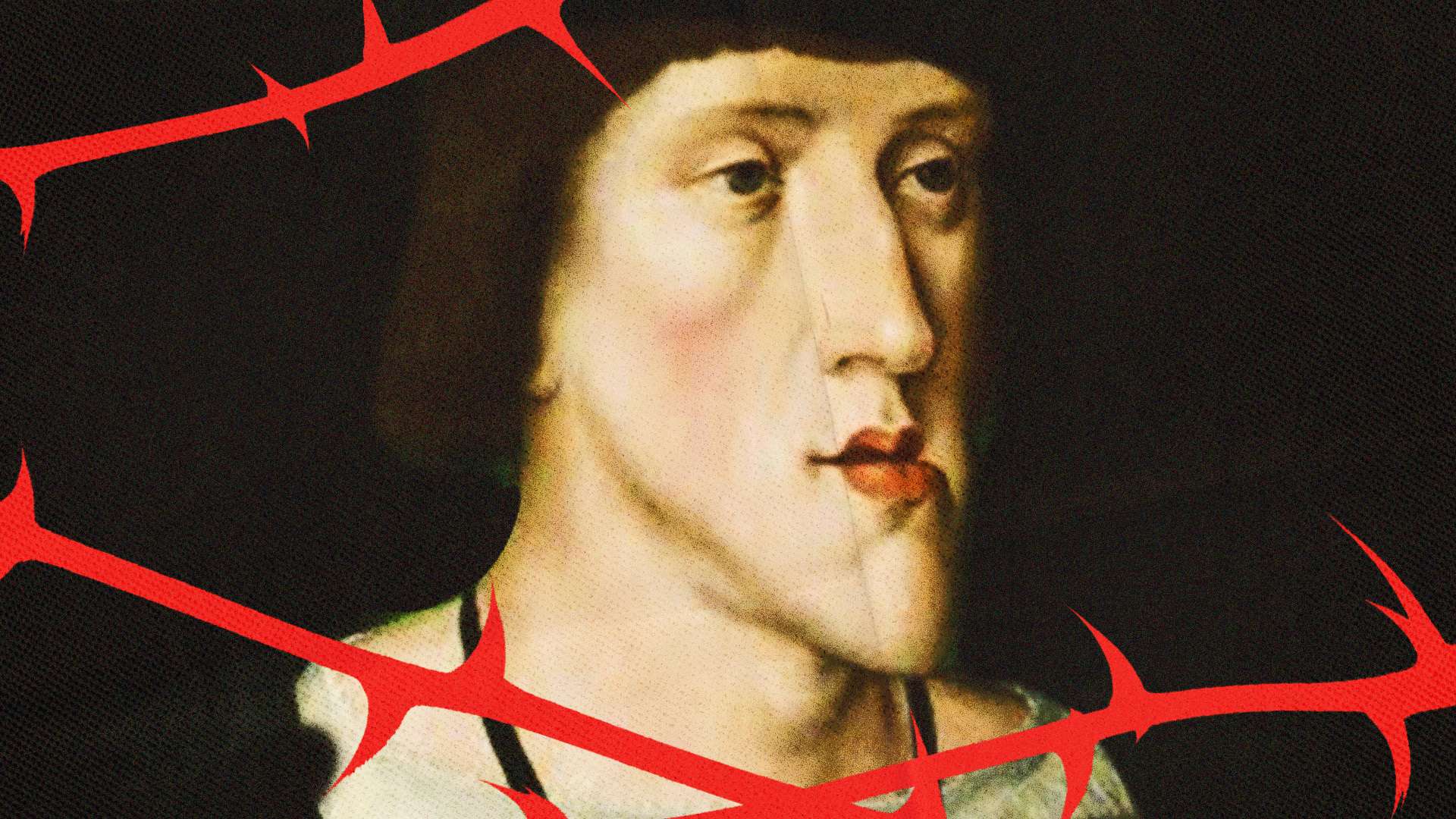
“Traditional” marriage was rarely about love and more about who happened to be around.
Contrary to nostalgic perceptions of preindustrial marriage as a romantic and straightforward institution, historical evidence reveals a far more complex and often grim reality. Marriages before modern times were predominantly shaped by social constraints, limited partner availability, and harsh living conditions, rather than by love or personal fulfillment.
In small, isolated villages, the pool of potential spouses was extremely narrow. Most people married within their own communities, which were so insular that dialects could differ markedly from neighboring settlements. This geographical confinement meant many unions were among relatives, elevating the risk of genetic complications in offspring. Travel and communication limitations further restricted matrimonial options, confining individuals to a familiar but limited social circle.
Related stories


Age disparities in marriages were also commonplace and rarely questioned. It was typical for husbands to be significantly older than their brides, sometimes by a decade or more. Literature and art of the 18th century frequently depicted marriage as a burdensome and unhappy state, often likened to a form of imprisonment. The emotional dissatisfaction was mutual; both men and women expressed discontent with their spouses over various issues, including infidelity, temperament, and social behavior.

Men’s dissatisfaction extended to their wives’ appearances and conduct, with cultural artifacts even imagining fanciful methods for transforming undesirable spouses. One example includes a 17th-century satirical depiction of a windmill designed to reform 'bad wives' into more agreeable partners, highlighting the widespread frustration with marital relationships.
The institution of marriage in the past did not guarantee fidelity or stability. Shotgun weddings were common, with a significant portion of brides pregnant at the time of their nuptials. Moreover, many couples cohabited without formal ecclesiastical ceremonies, living under common law rather than canon law. Despite these informal arrangements, the mortality rate was high, and premature death often ended marriages. Consequently, remarriage and blended families were a frequent and accepted reality.
Women's lives were particularly precarious due to the dangers of childbirth, which carried a high fatality rate. The customs surrounding weddings also reflected the harshness of life; for instance, in some traditions, a bride’s wedding garment was expected to later serve as her burial shroud. Celebrations themselves were often rowdy and unruly affairs, featuring excessive alcohol consumption, practical jokes, and public disturbances that could devolve into violence.

The age at marriage could be shockingly low by modern standards. Legally, girls could marry from the age of twelve and boys from fourteen, with some noble families arranging betrothals and marriages at even younger ages for political or economic reasons. Historical figures such as Eleanor of Aquitaine and Isabella of Angoulême were married as teenagers or even preteens, often to significantly older men, underscoring the utilitarian nature of marriage among the elite.
Adultery was widespread, especially among the nobility, where infidelity was so normalized that faithful wives were ridiculed. For common people, divorce was generally inaccessible due to legal and financial barriers. Instead, alternative means such as wife selling occasionally occurred, where a husband would publicly transfer his wife to another man, an unofficial and socially tolerated way to dissolve a marriage.
Domestic violence was another harsh reality of preindustrial marriage, frequently tolerated by legal authorities as long as it remained within 'moderate' bounds. Cultural expressions, including folk songs, sometimes even celebrated or trivialized abuse. Support for abused spouses often came informally through neighbors or community groups, which could intervene to prevent or stop violence. Notably, groups of young men in some regions played a role in enforcing social norms by publicly shaming or punishing those who violated accepted marital conduct.
In summary, the lived experience of marriage before industrialization was marked by practical considerations, social limitations, and frequent suffering. Far from the idealized vision of romantic union, these marriages reflected the realities of survival, social control, and limited autonomy. Understanding this context helps demystify the institution and underscores how contemporary concepts of marriage and partnership have evolved dramatically over time.
Full story & global impact
This article was synthesized and rewritten by MusicTop Editorial from reporting published by reason.com. Read the publisher's report for the complete source context.
Read original source: reason.com