Phantom of the Opera Turns 40—and Christine Gets Her Own Story in Erin Craig’s New Novel
Published October 31, 2026 · EUROPA

The Phantom of the Opera turns 40 this year, Erin Craig’s Our Strange Duet give fans a new YA retelling of the musical, this time from Christine Daaé’s point of view. Erin sat down with…
This year marks the 40th anniversary of the iconic musical Phantom of the Opera, a cornerstone of theatrical history that continues to inspire new creative interpretations. Among the latest is Erin Craig’s young adult novel, Our Strange Duet, which revisits the classic story through the eyes of Christine Daaé, the enigmatic soprano at the heart of the narrative.
Craig, who has a background in theater management, brings a unique insider’s perspective to this retelling. Her familiarity with the production, having attended various stagings and absorbed extensive source material, including George Perry’s comprehensive book on the musical, informs a richly detailed adaptation. With Our Strange Duet, Craig sought not only to introduce new readers to the Phantom universe but also to reward longtime fans by weaving in subtle nods and expanding on moments only hinted at in the stage version.
Related stories
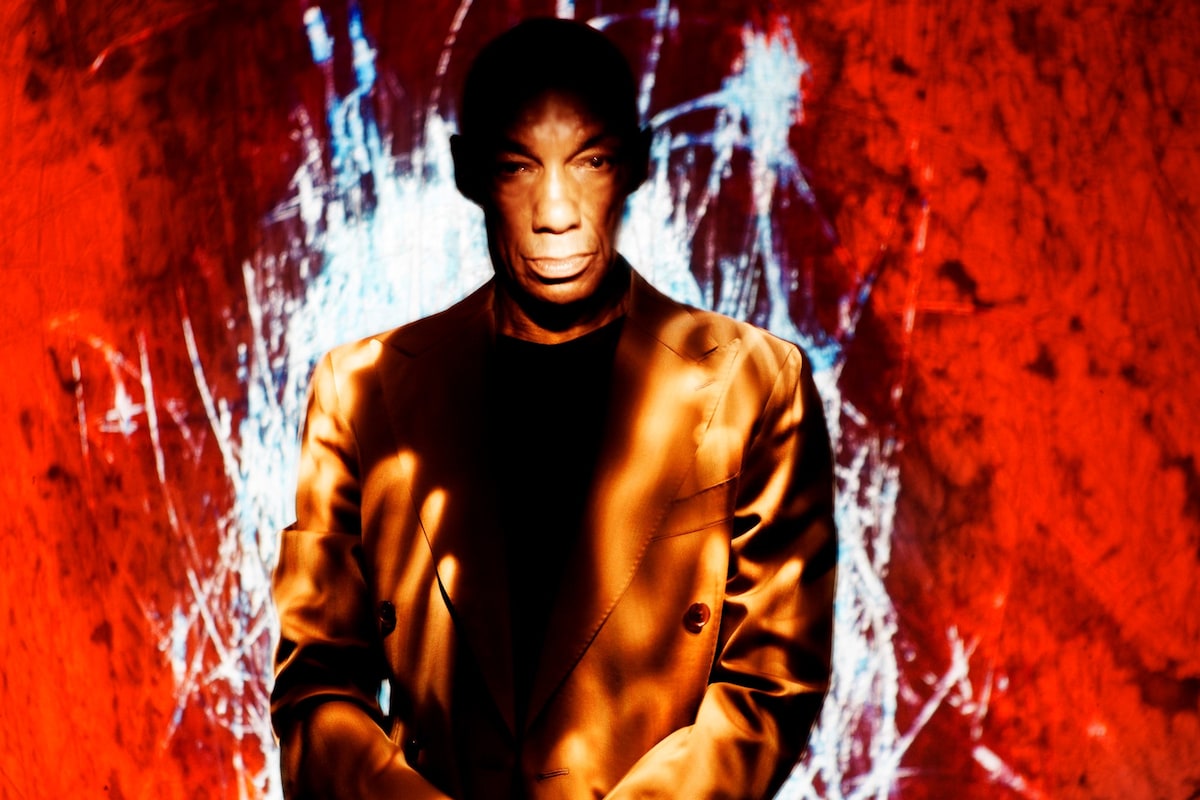
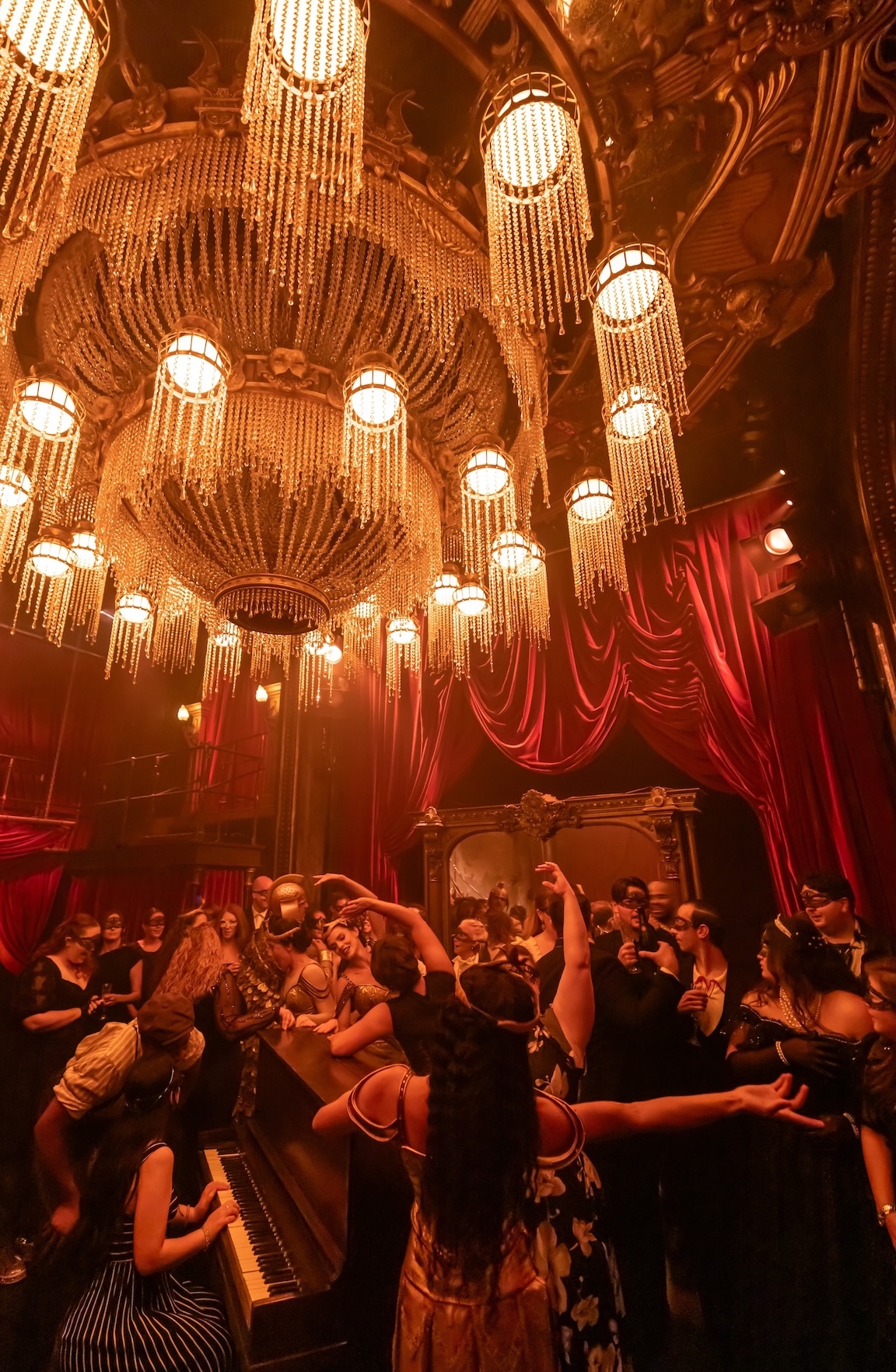

A key feature of the novel is its exclusive focus on Christine’s viewpoint, a shift that allows for a deeper exploration of her character beyond the confines of the musical’s libretto. Craig meticulously mapped out essential scenes from the original while filling in narrative gaps, such as Christine’s experiences during the months not depicted on stage and her private life away from the opera house. This approach provides readers with a more intimate understanding of Christine’s environment, personality, and emotional complexity.
Related music video
Selected for this story · Published within the last two years
One of the novel’s notable contributions is its illumination of Christine’s internal world, a dimension often overshadowed by the male figures dominating the original story. The novel delves into her ambitions, personal struggles, and the masks she must wear to navigate the patriarchal society of 19th-century Paris. Christine is portrayed as a young woman with creative drive and determination, shaped by her upbringing and the loss of her father, a violinist whose death left her reliant on family friends and compelled to forge a path in the arts.
Craig’s narrative also examines Christine’s relationship with the Phantom—referred to as the Angel of Music—and Raoul, presenting a nuanced portrayal of this classic love triangle. The story highlights Christine’s complex emotions and the ways she negotiates her identity amidst competing influences and expectations. Through reflective passages and moments of solitude, the novel reveals her vulnerabilities and quiet resilience, offering a more rounded depiction than the traditional portrayal of her as merely a passive figure.
The depiction of Christine confronting her grief and ambitions adds new layers to the familiar material, capturing the psychological and emotional stakes that drive her choices. The novel’s focus on her internal conflict, particularly her oscillation between embracing fantasy and facing harsh realities, enriches the narrative and invites readers to consider the broader themes of agency, identity, and self-realization.

In expanding the story beyond the theatrical framework, Craig also explores scenes absent from the stage production, such as Christine’s initial encounters with the Phantom’s ethereal voice and her early music lessons. These additions contribute to a fuller understanding of her development as an artist and as a person, emphasizing the transformative power of music and mentorship.
Our Strange Duet ultimately repositions Christine from a supporting role to the narrative’s driving force, acknowledging her ambition and complexity in ways previous adaptations have only implied. This reinterpretation resonates with contemporary sensibilities about female agency and the challenges women face in male-dominated environments.
While the novel leaves some storylines open-ended, it gestures toward Christine’s potential for independence and self-determination beyond the constraints of her relationships with the Phantom and Raoul. The narrative suggests a future where she might pursue her artistic career on her own terms, hinting at growth and autonomy yet to come.
Erin Craig’s retelling thus revitalizes a well-trodden tale, offering fresh insights into one of musical theater’s most enduring characters. As Phantom of the Opera celebrates four decades of influence, Our Strange Duet stands as a testament to the story’s enduring capacity for reinvention and its relevance to new generations of readers and theater enthusiasts alike.
Full story & global impact
This article was synthesized and rewritten by MusicTop Editorial from reporting published by thoughtcatalog.com. Read the publisher's report for the complete source context.
Read original source: thoughtcatalog.com