Eurovision organisers ‘looking into’ Malaysia broadcast as LGBTQ+ content cut: ‘Disappointed’
Published November 16, 2026 · EUROPA
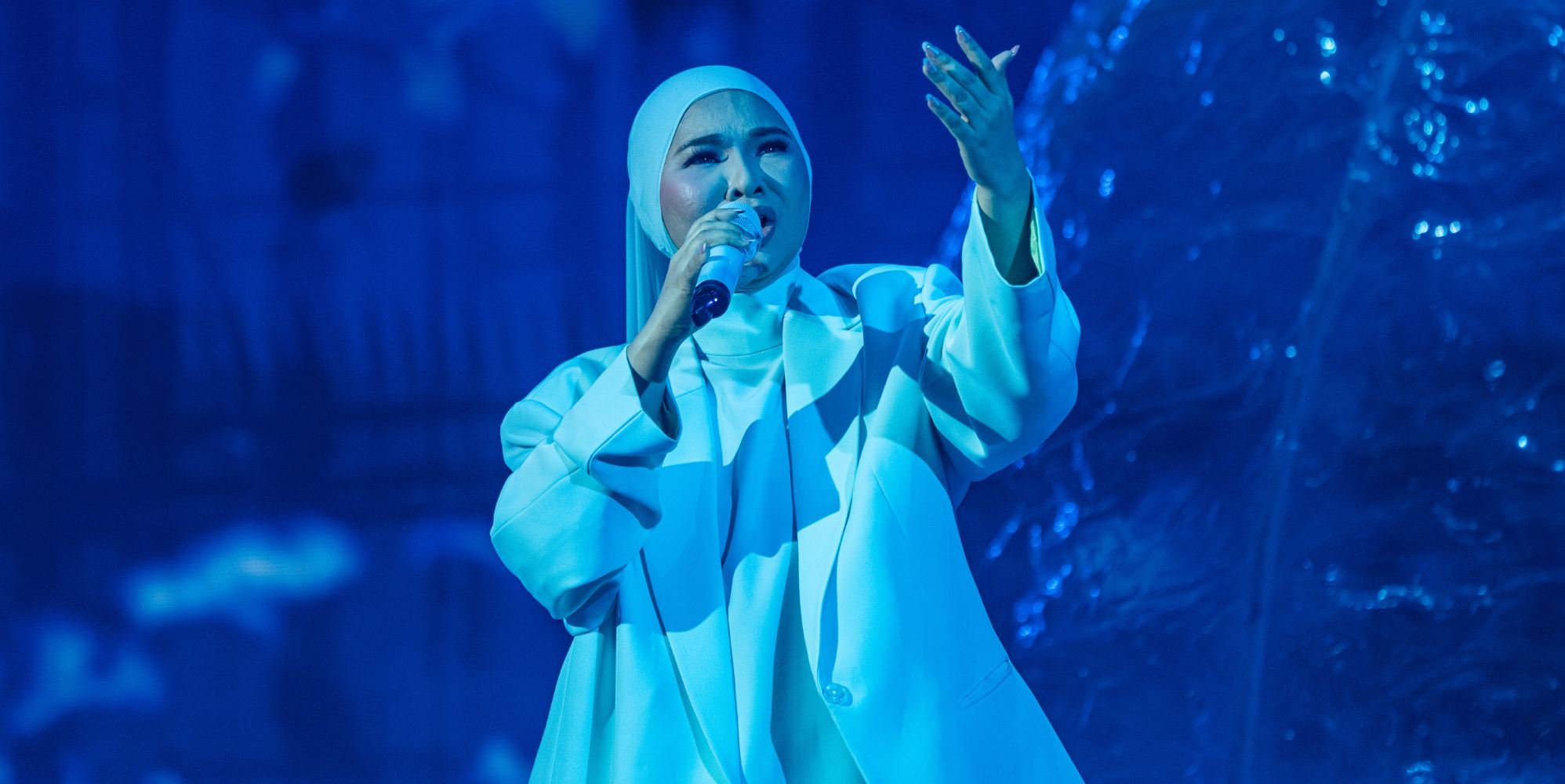
The EBU says it will seek clarification via producer Voxovation after clips suggested TV3 viewers saw a scoreboard instead of Vice Ganda and a changed opening shot. The post Eurovision organisers ‘looking into’ Malaysia broadcast as LGBTQ+ content cut: ‘Disap…
The inaugural Eurovision Song Contest Asia, held live in Bangkok on 14 November 2026, faced controversy when Malaysia’s TV3 broadcast edited out LGBTQ+ content, including the Philippines’ spokesperson Vice Ganda. This alteration was reported during the segment where jury points were announced, sparking concern among organizers and viewers.
The broadcast in Malaysia replaced Vice Ganda’s appearance with a scoreboard graphic during the announcement of the Philippines’ jury scores. Elsewhere, Ganda, a renowned Filipino non-binary and gay television personality, appeared to award Malaysia the maximum 12 points for Aina Abdul’s song "Bluest Sky." In addition, Malaysia’s broadcast excised shots of drag performers during the show's opening act, opting instead for wide stage views.
Related stories
Eurovision Song Contest director Martin Green expressed surprise and disappointment at the Malaysian broadcaster's decision to modify the content. The European Broadcasting Union (EBU), responsible for the event, announced it would seek a detailed explanation through the production company Voxovation, aiming to understand why TV3 altered the original broadcast.
Green indicated that this censorship appeared isolated to the Malaysian transmission, as all other international broadcasts conveyed the unedited content. He emphasized the seriousness with which the EBU regards the matter and confirmed communications had been initiated with Voxovation to clarify the circumstances and prevent similar incidents.
Voxovation acknowledged awareness of the issue and said it was actively investigating with the Malaysian broadcaster to ascertain the reasons behind the content changes. They pledged to collaborate with TV3 to ensure future broadcasts remain faithful to the event’s original presentation.
Malaysia enforces laws restricting LGBTQ+ expression and bans dissemination of LGBTQ+ material, which contextualizes the broadcaster’s decision to omit these segments. The incident underscores ongoing tensions between regional legal restrictions and the contest’s inclusive values.
The Eurovision Song Contest Asia is a new regional extension of the global Eurovision brand, announced earlier in April 2026. The event featured participants from twelve countries across Asia, including Cambodia, Mongolia, Bhutan, Bangladesh, South Korea, and Nepal, alongside Malaysia, the Philippines, Thailand, Vietnam, and Laos.
The competition culminated in a grand final held in Bangkok, where the Philippines secured victory with Carmelle’s winning performance of "Sobra-Sobra," dominating both jury and audience votes. Malaysia placed within the top five, highlighting significant regional engagement despite the broadcast controversy.
The decision to censor Vice Ganda’s segment carries implications for the representation of LGBTQ+ artists and personalities within the Asian music scene, potentially affecting the visibility of non-binary and queer performers in mainstream televised events. Ganda’s prominence as both a jury spokesperson and a celebrated figure signifies a notable moment for LGBTQ+ inclusion in Asian entertainment.
Given the event’s public and international profile, the controversy may influence how future pan-Asian broadcasts handle culturally sensitive content, particularly regarding LGBTQ+ representation. It raises questions about balancing respect for local broadcasting regulations with the contest’s foundational principles of diversity and inclusion.
The EBU’s firm stance on non-negotiable values suggests ongoing vigilance in protecting the integrity of Eurovision broadcasts worldwide. The organization’s response may set a precedent for managing similar challenges in multicultural and legally diverse markets.
While the immediate outcome involves an official inquiry and dialogue among the production company, broadcaster, and EBU, the long-term impact on artists’ exposure and touring opportunities in markets with restrictive laws remains uncertain. The incident highlights complexities in global music events’ expansion into regions with varying social and legal frameworks.
Further developments depend on the findings of the investigation, and whether Malaysian broadcasters will adjust their approach to presenting inclusive content in future Eurovision Song Contest Asia editions. The episode marks an early test of the contest’s ability to uphold its values amid diverse cultural landscapes.
Full story & global impact
This article was synthesized and rewritten by MusicTop Editorial from reporting published by thepinknews.com. Read the publisher's report for the complete source context.
Read original source: thepinknews.com