America’s First War on Drugs Was Also a War on Jazz
Published May 22, 2026 · EUROPA
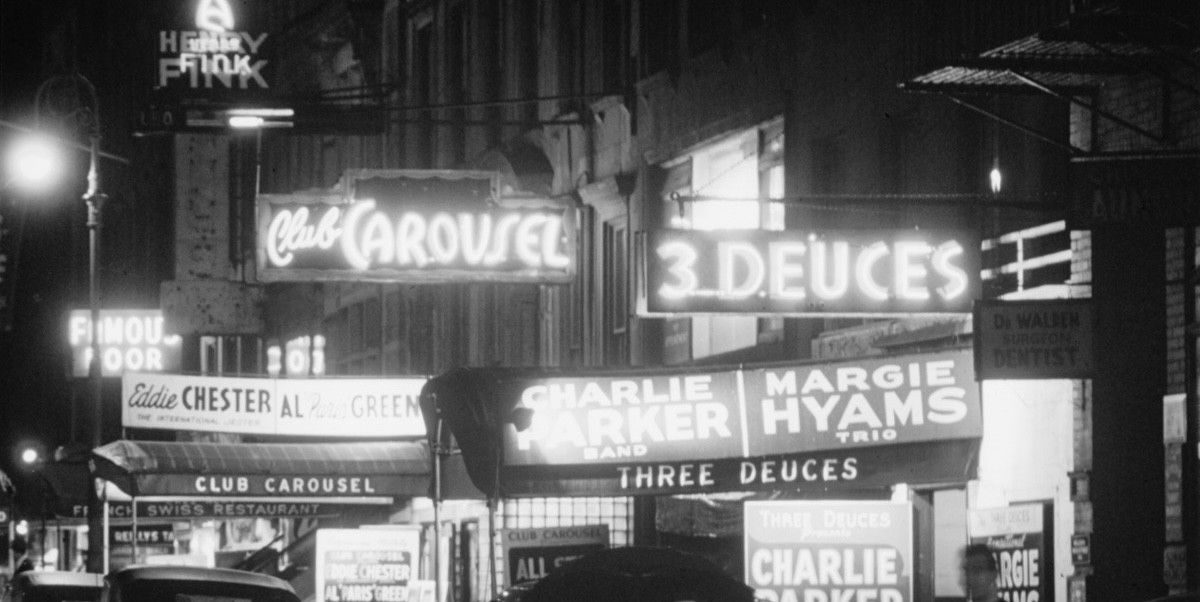
In May 1947, Billie Holiday had a one-week engagement at Philadelphia’s Earle Theatre, one of the biggest venues in the city for Black entertainers. The Earle Theatre was built as a vaudeville palace in 1924 on the ground floor of
In the spring of 1947, Billie Holiday, an iconic figure in American jazz, took the stage for a week-long residency at Philadelphia’s renowned Earle Theatre. This venue, known as one of the premier platforms for Black performers in the city, had a rich history dating back to its origins as a vaudeville house in the 1920s. Holiday’s appearance there represented not only a significant moment in her career but also a pivotal intersection of music, race, and law enforcement policies during a turbulent era.
The late 1940s marked a period when America’s initial concerted efforts against narcotics began to take shape, often disproportionately impacting African American communities and cultural spaces. Jazz musicians, who frequently inhabited the margins of mainstream society, found themselves entangled in these early drug enforcement campaigns. The targeting of venues like the Earle Theatre underscored a broader dynamic where cultural expression and state surveillance collided.
Related stories


Billie Holiday's engagement at the Earle Theatre is particularly notable given her own fraught history with drug-related legal challenges. By 1947, Holiday had already experienced significant scrutiny and legal battles related to substance use, which not only affected her personal life but also her public image and professional opportunities. Her performances at the Earle thus carried a weight beyond artistic significance; they occurred in a climate where jazz itself was often stigmatized through associations with drug culture and criminality.
The Earle Theatre's importance as a hub for Black entertainers cannot be overstated. Built in 1924, it evolved from a vaudeville venue to a central gathering place for African American audiences and performers during segregation. Hosting artists like Holiday, the Earle provided a stage where Black culture and talent thrived despite pervasive racial discrimination. However, the venue and its artists frequently faced legal pressures that mirrored broader societal attempts to control and suppress Black cultural expression.
This era’s drug policies, often enforced under the guise of public morality and safety, had the unintended consequence—or, some argue, the intentional effect—of undermining spaces that were vital to the development of jazz and Black artistry. The enforcement actions disproportionately disrupted artists’ careers and limited opportunities for venues to operate freely. In this context, the 1947 engagement at the Earle Theatre exemplifies how jazz was caught in the crosshairs of a nascent war on drugs that extended beyond health concerns into racial and cultural policing.
While details on specific incidents at the Earle during Holiday’s residency remain limited, the broader historical landscape reveals a pattern of scrutiny faced by jazz musicians nationwide. The conflation of jazz culture with drug use by authorities and media contributed to a stigmatization that shaped public perceptions for decades. This association often overshadowed the artistic contributions and social significance of the music and its practitioners.
Billie Holiday's career trajectory during this period encapsulates the challenges artists faced amid these intersecting pressures. Despite her undeniable talent and influence, legal battles and societal prejudices complicated her legacy. Her performances, including those at prominent venues like the Earle Theatre, become emblematic of the resilience of Black musicians navigating a complex and often hostile environment.
In retrospect, the 1947 drug war’s impact on jazz reveals a critical chapter in the cultural history of America. It highlights how law enforcement strategies were not merely about controlling substances but also about exerting influence over cultural forms emerging from marginalized communities. The Earle Theatre, as a significant site for Black entertainment, stands as a testament to both the vibrancy of jazz culture and the systemic challenges it endured during this formative period.
Full story & global impact
This article was synthesized and rewritten by MusicTop Editorial from reporting published by NewsAPI (original source unavailable). Read the publisher's report for the complete source context.
Original source link unavailable · Source: NewsAPI (original source unavailable)