Hitchcock and Herrmann: The Friendship and Film Scores That Changed Cinema
Published July 20, 2026 · JAZZ
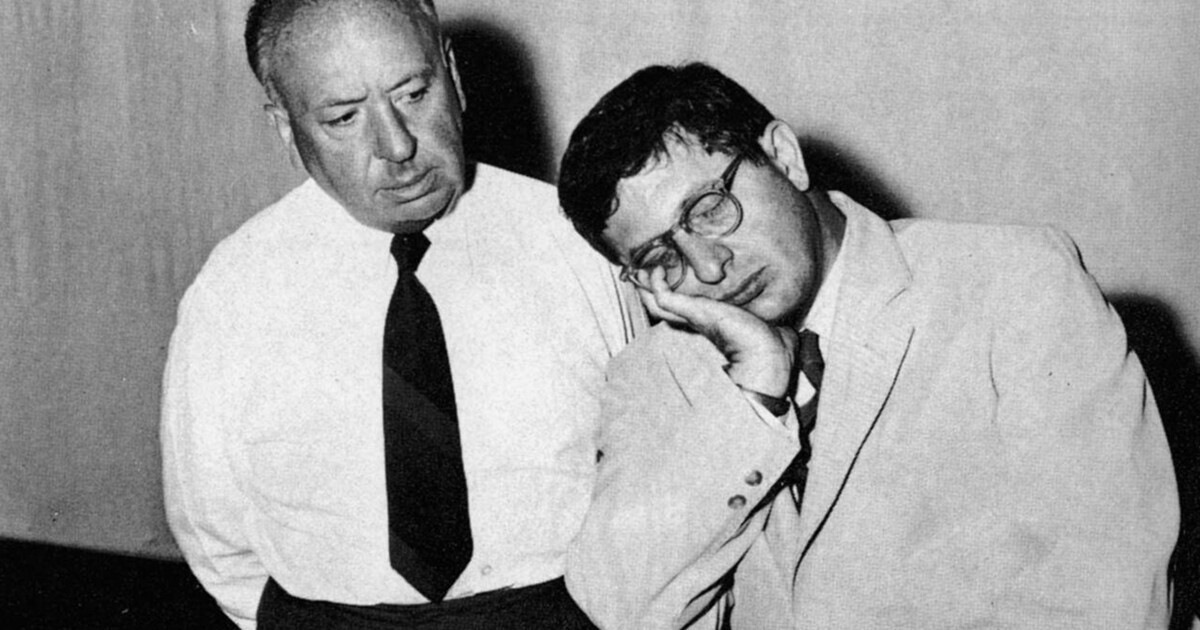
The music Bernard Herrmann wrote for The Wrong Man is diffident, sometimes almost unnoticeable. His score for Hitchcock...
Bernard Herrmann’s collaboration with Alfred Hitchcock constitutes a landmark chapter in film history, where music and imagery fused to elevate cinematic storytelling. Herrmann’s compositions, ranging from the understated to the grandly romantic, crafted emotional layers that became inseparable from Hitchcock’s suspenseful narratives. Together, their partnership redefined the role of music in film, influencing generations of filmmakers and composers.
This creative alliance began in the mid-1950s when Hitchcock engaged Herrmann to score The Trouble with Harry (1955). This film, notable for its macabre humor and distinct tone, marked the start of a working relationship that would encompass some of the director’s most celebrated works. Herrmann’s music for The Trouble with Harry was characterized by a unique blend of jaunty melodies and subtle orchestration, capturing the film’s sardonic wit and personal sensibility.
Related stories
Billy Corgan Defends Friendship With Marilyn Manson, Compares Himself To Kanye West, And Explains Resentment Toward “The Hipster Writer Class”
Hitchcock’s choice of Herrmann was likely influenced by the composer’s affinity for English composers and his ability to craft evocative soundscapes. Despite its cultural nuances, Herrmann’s score for The Trouble with Harry defies easy classification and bears resemblance to French composer Francis Poulenc’s style. Hitchcock appreciated this musical expression enough to immediately commission Herrmann for the remake of The Man Who Knew Too Much, though Herrmann’s contribution there was overshadowed by other musical elements within the film.
Herrmann’s approach to scoring Hitchcock’s movies was marked by a principle of serving the narrative rather than showcasing his personal style. This is evident in The Wrong Man (1956), where Herrmann used minimalistic motifs such as a repetitive pizzicato bass and muted woodwinds to mirror the protagonist’s anxiety. While less conspicuous than some of his other scores, this understated technique deepened the film’s psychological realism and highlighted Herrmann’s versatility.
The pinnacle of their collaboration emerged with the lush, Wagnerian score for Vertigo (1958). Herrmann’s music here is renowned for its emotional intensity and sweeping romanticism, an integral component of the film’s haunting atmosphere. Following Vertigo, the duo produced North by Northwest (1959) and Psycho (1960), two films that showcased the synthesis of innovative scoring and cinematic tension. North by Northwest’s unexpected Spanish-inflected dance rhythms and Psycho’s chilling string arrangements stand as enduring examples of Herrmann’s creative genius.
Psycho’s soundtrack, in particular, became iconic not only for its piercing violin shrieks during the shower scene but also for its somber, melancholic sequences. Herrmann’s ability to blend dread with subtle emotional undertones defined the soundtrack’s complexity, reflecting his admiration for classical composers like Arthur Honegger. This blending of avant-garde and traditional elements contributed to the score’s lasting influence and its role in shaping the thriller genre’s soundscape.
Despite their artistic triumphs, Herrmann and Hitchcock’s relationship experienced tensions. Their disagreement over the soundtrack for Marnie (1964) ended their collaboration, highlighting the challenges inherent in director-composer dynamics. Herrmann’s final gesture towards reconciliation involved re-recording selections from their previous Hitchcock scores, an olive branch that underscored the significance he placed on their creative partnership.
The broader context of Hitchcock’s career during the 1950s and 1960s also affected their collaboration. While Hitchcock’s filmmaking faced commercial and critical challenges with films like Marnie and Torn Curtain, Herrmann’s music remained a constant element that sought to articulate the director’s evolving vision. Moreover, Hitchcock’s burgeoning television presence during this period, marked by Alfred Hitchcock Presents, was indirectly influenced by the tone set in films like The Trouble with Harry, where Herrmann’s music played a vital role.
The enduring legacy of Herrmann’s scores for Hitchcock is reflected in their continued reverence within both cinematic and musical circles. These compositions not only enhanced the films’ emotional impact but also set new standards for how music can function in narrative cinema. Herrmann’s work on these classics has become a touchstone for film composers and a defining feature of Hitchcock’s artistic identity.
For contemporary audiences and collectors, Herrmann’s scores offer a rich catalogue that complements Hitchcock’s filmography. Their synergy demonstrates how music can transcend its supportive role and become a narrative force in its own right. This fusion invites ongoing exploration of their works, whether through restorations, re-releases, or scholarly analysis, ensuring their place in the cultural canon.
Looking forward, the relationship between film music and storytelling, as exemplified by Herrmann and Hitchcock, remains a critical area of study. Their collaboration underscores the importance of composer-director partnerships in shaping the emotional and psychological landscapes of cinema, influencing not only thrillers but a broad spectrum of genres.
Unconfirmed aspects include the precise reasons Hitchcock chose Herrmann initially, beyond cultural affinity, as well as the full impact of the television shows’ tone on Hitchcock’s celebrity branding. Nonetheless, their joint achievements continue to resonate, revealing how their combined creativity reshaped audience expectations and established a new paradigm for integrating music within film narratives.
Full story & global impact
This article was synthesized and rewritten by MusicTop Editorial from reporting published by lrb.co.uk. Read the publisher's report for the complete source context.
Read original source: lrb.co.uk