Every genre and generation belongs at Festival d’été de Québec
Published July 23, 2026 · JAZZ
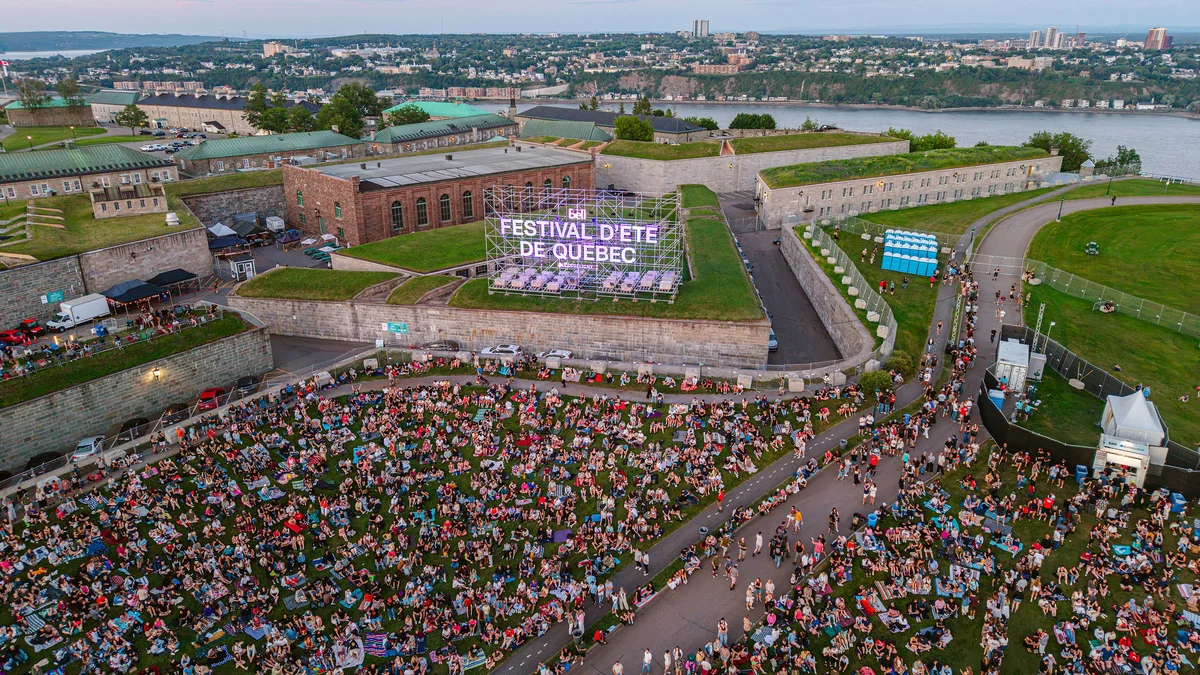
Backdropped by scenes of nostalgic summer romance and happy families, FEQ is a rich, 11-day hangout where you’ll find an unlikely new favourite act – or entire genre – within the historical heart of Quebec City.
In the heart of Québec City, the Festival d’été de Québec (FEQ) stands as a prominent fixture in Canada’s music festival landscape. Since its beginnings in 1968, this annual event has evolved into an extensive 11-day gathering that combines the vibrancy of multiple music styles with a rich cultural setting.
FEQ’s location in the historic city centre amplifies its appeal, drawing locals and visitors alike into a lively atmosphere characterized by both nostalgia and contemporary energy. The festival's branding, visible throughout the city from buses to billboards, mirrors this festive spirit with bright, eye-catching colors that energize the bustling Grande Allée, Québec City’s main thoroughfare.
Related stories


The festival’s infrastructure is composed of five distinct stages. The largest, Bell Stage, is situated on Les Plains d’Abraham, a vast park steeped in history as an 18th-century battlefield. Adjacent to Place George-V are the SiriusXM and Loto-Québec stages, which coordinate their programming to provide seamless musical experiences. The Hydro-Québec stage, designed to resemble the provincial parliament building, and the Crave Stage at Place D’Youville offer free access, ensuring that live music is accessible regardless of ticket ownership.
General admission wristbands for FEQ are priced at approximately $180, yet the festival’s inclusive approach extends beyond ticket sales through these free stages, fostering community engagement and broad attendance.
The festival’s programming is one of its defining features, deliberately eclectic and multigenerational. Organizers emphasize the importance of variety, balancing genres such as indie, folk, pop, electro, and country to cater to a wide audience. This diversity is reflected in performances ranging from international DJs like Martin Garrix and LP Giobbi, who bring dynamic electronic sets, to local talents like Montreal’s folk singer-songwriter Le Ren, whose delicate style adds intimate moments to the festival's expansive schedule.
One standout act in recent editions has been the Congolese group Fulu Miziki Kolektiv. Their unique approach involves crafting costumes and instruments from recycled materials, while their music blends Afro-disco house, coupé-décalé, and Congolese rumba, creating an infectious energy that transforms their performances into interactive celebrations.
FEQ’s start time of 6 pm each day distinguishes it from many festivals, allowing attendees to explore Québec City's walkable but hilly streets during daylight hours. This schedule encourages visitors to engage with the city’s gothic architecture, waterfront views, and culinary offerings, including its renowned poutine.
The festival’s atmosphere is enriched by the diversity of its audience, from teenagers in trendy festival attire to families with young children and couples enjoying summer evenings. This demographic mixture reflects FEQ’s role as a generational touchstone in Québec, where many residents maintain personal memories connected to the event.
Talent acquisition for FEQ is a curated process led by prominent Canadian promoters affiliated with BLEUFEU, who also organize the Saint Roch XP and Fono festivals. Their strategy involves scouting emerging artists at various venues and festivals, developing long-term relationships, and gradually elevating acts within the FEQ lineup. This approach has facilitated career growth for bands such as French alt-rock group Last Train, who progressed from smaller FEQ stages to headlining alongside internationally renowned groups.
The festival’s concluding “Country Night” exemplifies its broad musical scope, featuring artists like Nashville’s Jason “Jelly Roll” DeFord. Despite initial unfamiliarity, attendees often find themselves captivated by his energetic performances and soulful renditions, which blend originals with well-known covers, underscoring music’s therapeutic and unifying qualities.
As FEQ approaches its sixth decade, it continues to serve as both a cultural landmark and a dynamic platform for musical discovery. Its ability to weave together historical ambiance, diverse genres, and a multigenerational audience cements its status as a cherished event within Québec and the wider Canadian music festival circuit.
Full story & global impact
This article was synthesized and rewritten by MusicTop Editorial from reporting published by thelineofbestfit.com. Read the publisher's report for the complete source context.
Read original source: thelineofbestfit.com