The Surprising Way Louis Armstrong Pronounced His Own Name
Published August 4, 2026 · JAZZ
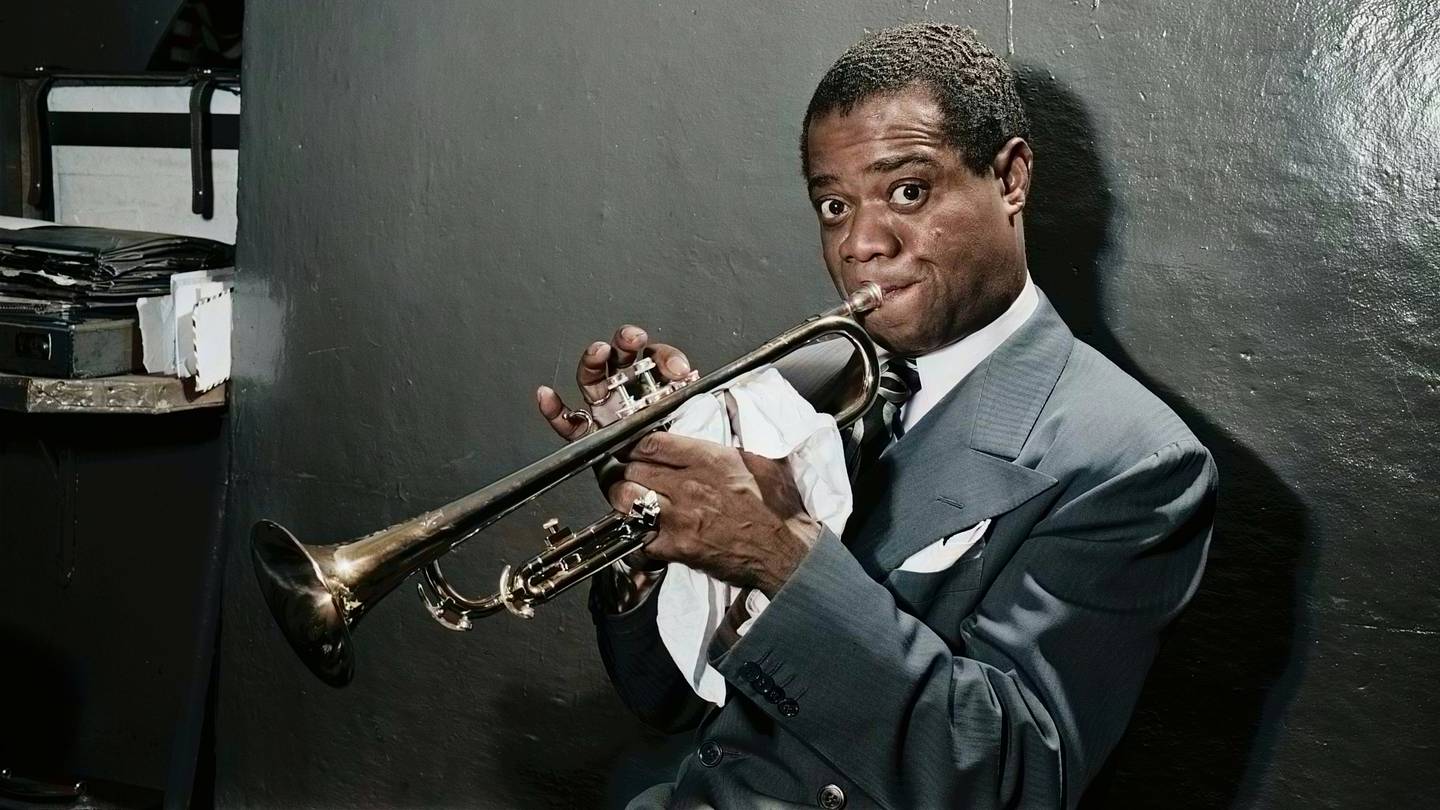
Louis Armstrong’s name is almost always pronounced “Louie,” but the jazz legend himself insisted it was actually “Louis.” Here’s how the confusion started.
Louis Armstrong remains one of the most influential figures in jazz history, renowned for his groundbreaking musicianship and charismatic performances. Yet, beyond his musical legacy, a peculiar question has persisted for decades: how did Armstrong himself pronounce his first name?
Across various media and popular culture, the jazz icon’s name is most frequently heard as "Louie Armstrong." This pronunciation has become so entrenched that it often goes unquestioned. However, archival interviews and recordings suggest that Armstrong himself favored a different articulation, emphasizing the pronunciation as "Louis" with a distinct 's' sound at the end.
Related stories



In a 1947 interview with P.M. magazine, Armstrong clarified this personal preference, noting that his mother always referred to him as "Louis." Despite this direct assertion, the pronunciation debate endured, fueled by conflicting accounts and public usage. The confusion is further complicated by Armstrong’s own discography, which includes recordings that seemingly support both versions.
One early record that added to the ambiguity was "Laughin' Louie," released in April 1933. Although the song was not written by Armstrong but by songwriter Clarence Gaskill, its title and Armstrong’s performance lent weight to the "Louie" pronunciation in the public ear. Still, this record alone is insufficient to confirm how Armstrong preferred his name to be spoken.
More definitive evidence emerges from Armstrong’s 1964 rendition of the hit "Hello Dolly!" Composed by Jerry Herman, the song’s original lyrics greet Dolly simply. However, the producer overseeing Armstrong’s version suggested personalizing the lyrics to include Armstrong’s name, proposing "Hello, Dolly, it’s Louie, Dolly." According to Armstrong’s biographer, when presented with this idea, Armstrong insisted on the pronunciation "Louis," forcefully making the case for the 's' sound. Listening to the recording reveals Armstrong’s pronunciation clearly aligns with "Louis," reinforcing the claim that this was his preferred form.
Nevertheless, the debate remains unsettled because many close to Armstrong, including his wife Lucille, have been documented using the "Louie" pronunciation. This discrepancy between Armstrong’s own usage and the names used by his family and associates has perpetuated the dual pronunciations.
The cultural entrenchment of "Louie" poses challenges for those referencing Armstrong today, as the alternative pronunciation "Louis" can sometimes cause confusion. This situation highlights how public personas and personal preferences can diverge, especially over time and across different communities.
Given the persistent ambiguity, some suggest that using Armstrong’s well-known nickname, "Pops," may be the most respectful and unambiguous way to refer to the legendary musician. While this sidesteps the pronunciation issue, it also pays homage to the affectionate title he earned during his expansive career.
Ultimately, the question of how to pronounce Louis Armstrong’s name illustrates the complexities surrounding iconic figures whose identities are shaped as much by public perception as by personal declaration. Despite the ongoing debate, Armstrong’s impact on music and culture remains indisputable, transcending the nuances of his name’s pronunciation.
Details beyond these documented instances remain limited, leaving room for continued discussion rooted in historical recordings and firsthand accounts. What is clear, however, is that Armstrong himself favored "Louis," a pronunciation that deserves recognition alongside the widely accepted "Louie."
Full story & global impact
This article was synthesized and rewritten by MusicTop Editorial from reporting published by mentalfloss.com. Read the publisher's report for the complete source context.
Read original source: mentalfloss.com