Is the Grammys Canceling Its New Asian Pop Category After Backlash? Here's What's True This Week So Far
Published August 7, 2026 · JAZZ
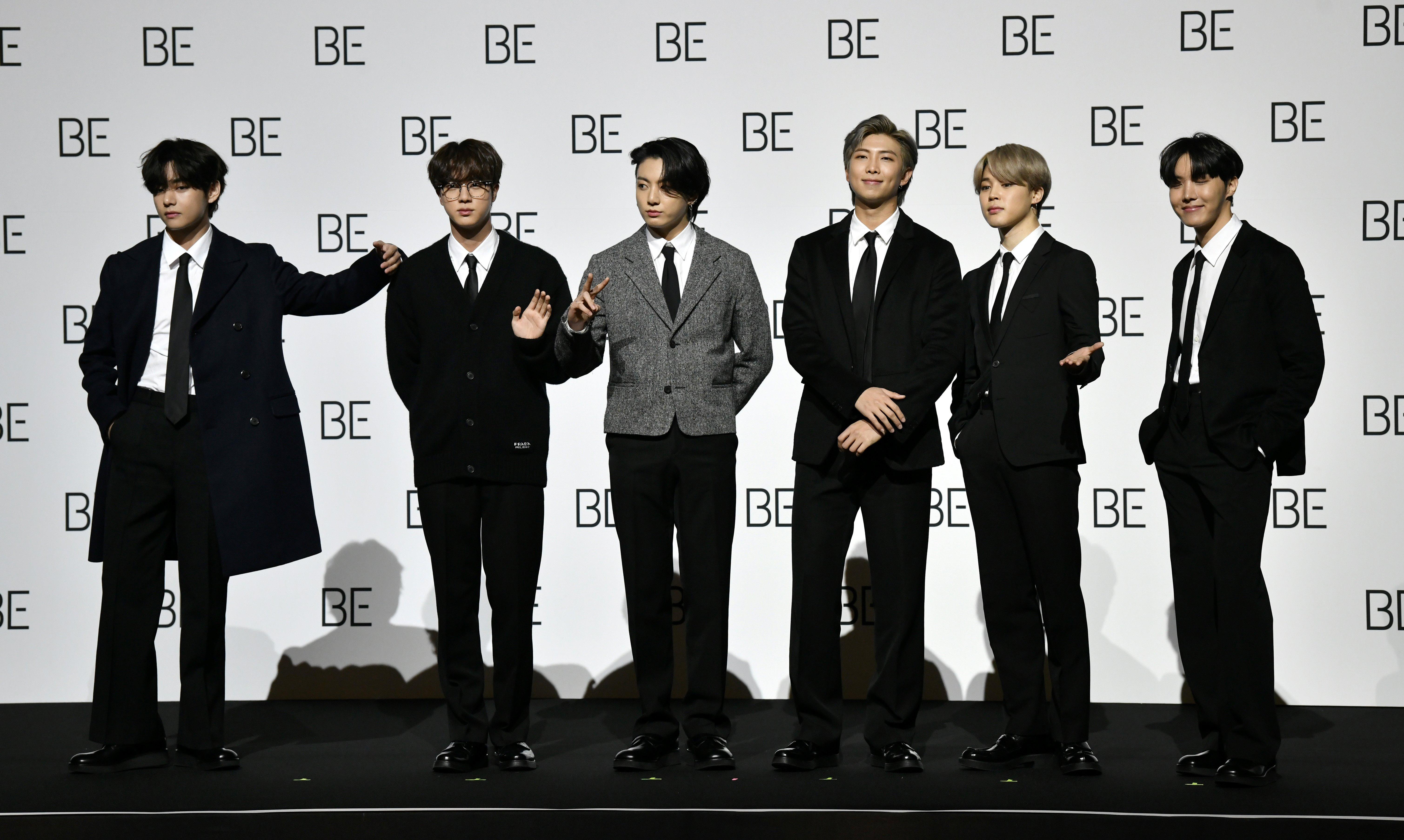
BTS has announced a boycott of the 2027 Grammy Awards, protesting the new Best Asian Pop Music Performance category, which critics argue limits access to general-field awards. The Recording Academy defends the category.
The Recording Academy is moving ahead with its newly introduced Best Asian Pop Music Performance category for the 69th Grammy Awards, despite public backlash and a high-profile boycott by global K-pop sensation BTS. Announced in July 2026, this addition aims to honor excellence in Asian pop music, encompassing genres such as K-pop, J-pop, and C-pop, with a requirement that entries feature significant use of Asian languages.
The controversy unfolded shortly after BTS declared their decision to abstain from submitting music for the 2027 Grammy Awards. Their announcement, shared via coordinated social media posts, conveyed a desire for their artistry to be appreciated without segmentation by language or regional labels—a clear critique of the newly established category. This move has ignited a wider discussion regarding whether the category inadvertently segregates Asian pop acts from competing in the Grammy’s most coveted general-field awards like Album or Record of the Year.
Related stories

Contrary to speculation suggesting the Academy might retract or modify the Best Asian Pop category, the organization’s leadership has publicly reaffirmed its commitment to the award. Recording Academy CEO Harvey Mason Jr. expressed understanding of BTS’s choice but emphasized the category’s intent to celebrate the growing influence and diversity of Asian pop music globally. He further clarified that participation in this genre-specific category does not preclude artists from consideration in broader general-field awards, aiming to dispel concerns about restricted opportunities.
The eligibility period for submissions remains open until August 28, 2026, and industry sources report that several prominent K-pop groups, including Seventeen, Twice, Stray Kids, Ateez, and others, are proceeding with entries. This suggests that the category will see robust competition despite the boycott, with nominee announcements expected in mid-November and the ceremony scheduled for February 7, 2027.
While BTS’s withdrawal has drawn significant media attention, it appears to be an isolated stance rather than a movement embraced by the wider Asian pop community. Experts in Korean popular culture note that BTS’s established stature allows them to forgo seeking validation from Western award institutions, a choice not readily available to many other Asian artists who continue to value Grammy recognition as a key platform for international visibility.
Beyond the immediate boycott, scholars and critics have raised deeper concerns about the category’s construction and its implications. Some argue that the award’s framing predominantly favors idol-style pop production typical of K-pop, potentially overlooking the broader spectrum of Asian pop traditions. This includes singer-songwriters and diverse regional subgenres that may not fit neatly into the category’s current definition, highlighting questions about the inclusivity and consultation process behind its creation.
The debate over the Best Asian Pop Music Performance category also echoes longstanding discussions involving other marginalized artists who contend that the Grammys have historically funneled them into genre-specific categories, thereby limiting their chances for recognition in the most prestigious awards. Observers draw parallels between these critiques and the concerns voiced by BTS and their supporters, framing the issue as part of a broader conversation about representation and equity within the music industry’s premier award show.
As the submission deadline approaches and the Grammy voting process progresses, the Recording Academy has reiterated its intention to remain receptive to feedback from the global music community. However, no official steps have been taken to alter or remove the Asian Pop category ahead of the upcoming ceremony. Industry insiders anticipate the category will debut with its inaugural recipient later this year, marking a significant moment in the Grammys’ evolving recognition of Asian pop music, regardless of the boycott by one of its most influential groups.
Full story & global impact
This article was synthesized and rewritten by MusicTop Editorial from reporting published by ibtimes.com.au. Read the publisher's report for the complete source context.
Read original source: ibtimes.com.au