Irish goodbye: The North Texas Irish Festival is moving to Denton
Published August 7, 2026 · JAZZ
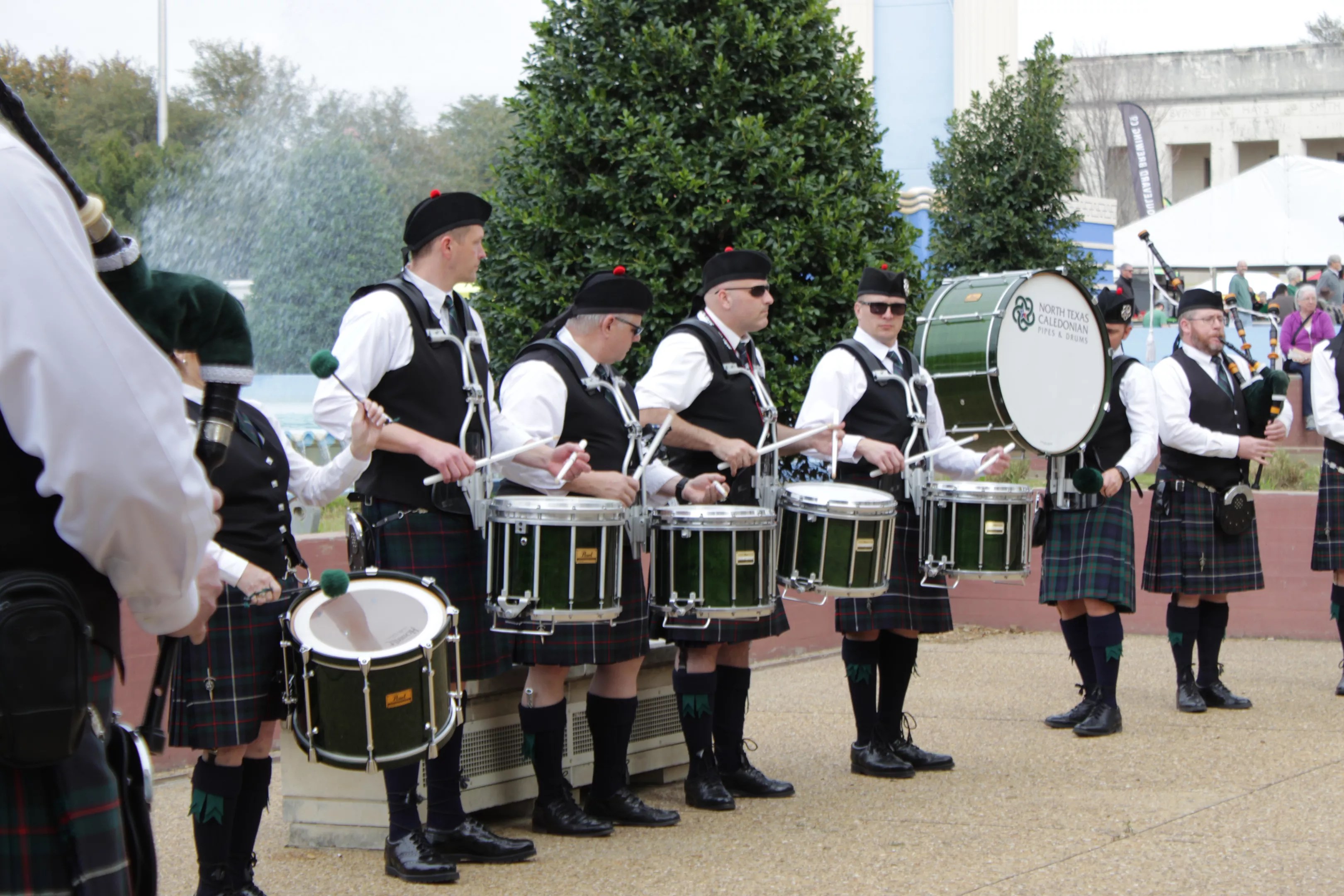
After 40+ years in Fair Park, the festival is moving to Denton next year. Dallas mourns, Denton celebrates, and we ask: what's left?
The North Texas Irish Festival, a staple event celebrating Celtic culture for over four decades, is set to relocate from its longtime Dallas venue, Fair Park, to the North Texas Fairgrounds in Denton for its 2027 edition scheduled for March 13–14. This move marks the end of an era for Dallas, where the festival has been held since 1984, and initiates a new chapter within the Denton community.
Originally launched in 1983 as the First Texas Céilí at Nick Farrelly’s Lounge in Oak Lawn, the event started as a modest gathering centered on traditional Irish music, dance, and community spirit. Over the years, it expanded to become one of the country’s largest Irish festivals, driven by the dedication of approximately 500 volunteers affiliated with the Southwest Celtic Music Association.
Related stories


Organizers have framed the transition to Denton as an opportunity to embrace a city known for its vibrant music scene and creative culture, aiming to maintain the festival’s mission of uniting people through Celtic traditions while also attracting new audiences. Statements from festival representatives emphasize a positive outlook and anticipation for the fresh experiences the new location might offer.
Denton’s local leadership has expressed enthusiasm about hosting the festival, highlighting the city’s commitment to arts, culture, and community events. The move is seen as a significant boost to tourism and cultural offerings in Denton, with officials welcoming the festival’s deep-rooted history as part of the city’s expanding arts portfolio.
Reactions among Dallas residents and cultural observers are mixed. Some view the departure as a symbol of cultural and communal losses amid other recent relocations of prominent Dallas-based sports teams and events. Others prioritize the festival’s continuation regardless of venue, acknowledging the challenges faced in preserving long-standing cultural traditions.
This relocation coincides with Denton’s Arts & Jazz Festival also moving to the North Texas Fairgrounds after a 35-year run in Quakertown Park, suggesting a trend of cultural events consolidating in this area. The clustering of multiple displaced cultural gatherings at one venue reflects wider shifts in regional event hosting and urban cultural dynamics.
The future implications of the festival’s move extend beyond logistics. For Dallas, losing a major cultural festivity after four decades may affect local engagement with Celtic traditions and diminish the city’s cultural diversity profile. Conversely, Denton stands to gain increased visibility and economic benefits from attracting attendees and performers to the festival.
While the North Texas Irish Festival’s core programming and volunteer leadership remain intact, details such as attendance projections, vendor participation, and potential programming changes at the new location remain unconfirmed at this time. How these aspects will evolve in the Denton setting will shape the festival’s success and community impact going forward.
From a broader cultural perspective, this shift highlights the challenges faced by long-running festivals in securing sustainable venues amid urban development pressures and changing demographics. The ability of a festival to adapt location-wise while preserving its traditions is crucial for its longevity and relevance.
Editorially, the festival’s relocation underscores the fluid nature of cultural geography within the Dallas-Fort Worth metroplex and points to an evolving relationship between communities and their signature events. The move could influence the festival’s touring cycle by potentially attracting a different audience demographic and altering performance lineups to better align with Denton’s artistic scene. Economically, the change may impact local businesses that once benefited from the festival’s Dallas presence. For fans, the shift represents both a loss of familiarity and an opportunity to engage with the festival in a new environment, which may affect attendance patterns and community engagement in unpredictable ways.
Overall, the North Texas Irish Festival’s transition to Denton reflects broader trends of cultural event migration in North Texas, driven by both opportunity and necessity. The festival’s ability to sustain its tradition and community connection in the new setting will be a key indicator of its future vitality.
Full story & global impact
This article was synthesized and rewritten by MusicTop Editorial from reporting published by dallasobserver.com. Read the publisher's report for the complete source context.
Read original source: dallasobserver.com